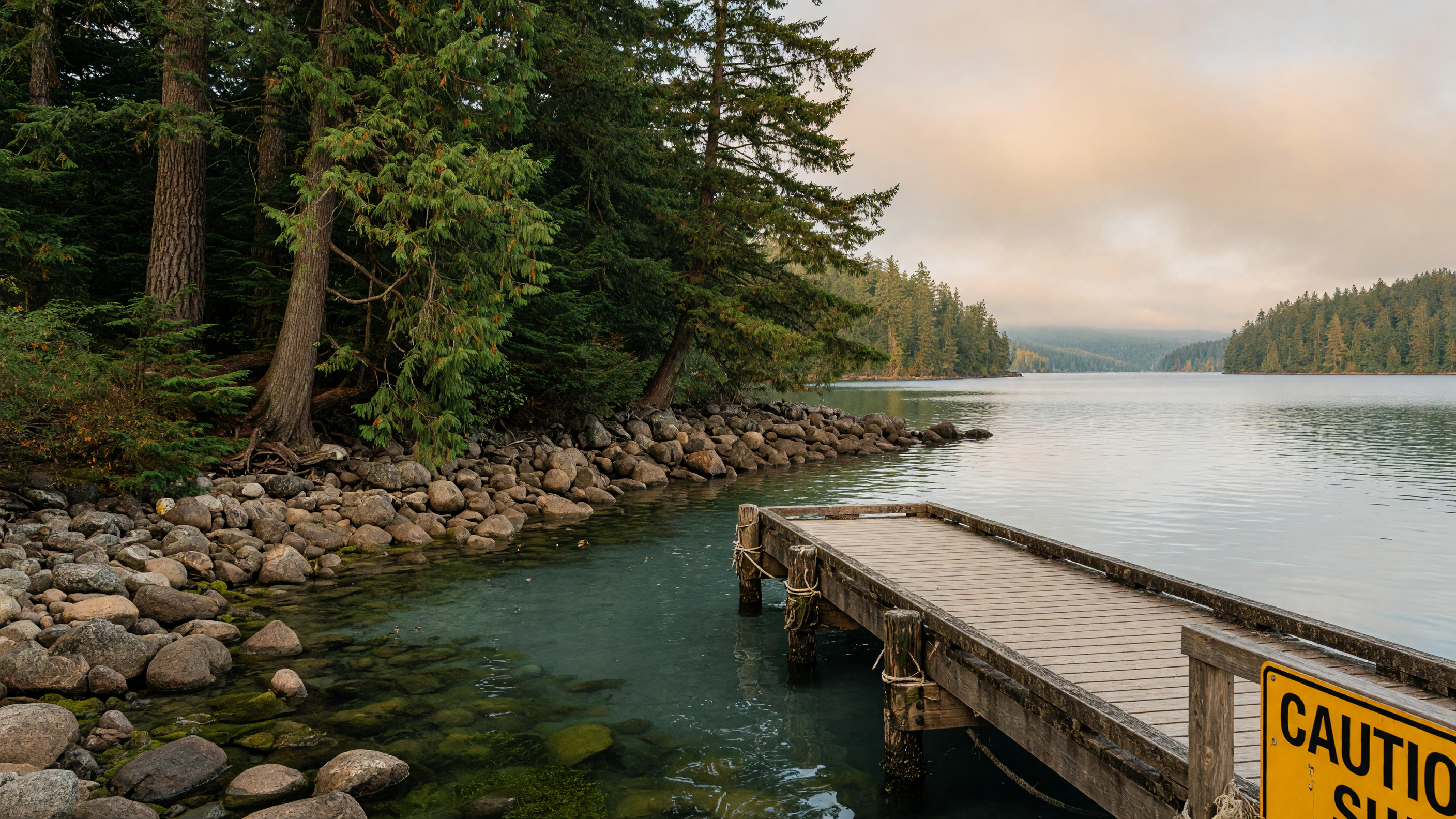
On June 24, 2026, the Capital Regional District issued a blue-green algae alert for Thetis Lake, one of Greater Victoria's most popular swimming and recreation lakes. If you swim, paddleboard, fish, or walk your dog along any local lake this summer, this alert matters for your family. Here's what's happening, why it's serious, and what you can do right now to stay safe.
What Is Blue-Green Algae?
Blue-green algae, technically called cyanobacteria, are naturally occurring microorganisms found in freshwater lakes and ponds across British Columbia. Under normal conditions, they exist in small quantities and cause no harm. But when water temperatures rise during extended warm weather, the bacteria can multiply rapidly, forming dense "blooms" that turn lake water a murky green, bluish-green, or pea-soup colour.
These blooms are toxic. Cyanobacteria produce harmful compounds called cyanotoxins that can affect the skin, stomach, liver, and nervous system of both humans and animals. Victoria's warm, calm summer days, especially stretches of sunny weather with little wind, create the perfect conditions for these blooms to develop. And conditions can change quickly: a lake that looks fine on Monday can show visible scum by Wednesday.
The CRD's algae monitoring page tracks conditions across several Greater Victoria lakes and is updated regularly throughout the summer season. At the provincial level, BC's Algae Watch program provides broader water quality monitoring and public advisories for lakes and waterways across British Columbia, including those on Vancouver Island.
What Happened at Thetis Lake
On June 24, 2026, the CRD confirmed a blue-green algae bloom at Thetis Lake and issued a public alert. Thetis Lake is one of Greater Victoria's most beloved freshwater recreation spots. Located just west of the city in View Royal, it draws thousands of swimmers, hikers, and families every summer who use its sandy beach and loop the scenic 2.1-kilometre trail around the water.
As CHEK News reported, the CRD is monitoring conditions at Thetis Lake and other area lakes, and is advising the public to avoid contact with the water until the bloom clears. The Goldstream News also covered the alert, noting that the CRD's monitoring program covers several lakes that Victoria residents rely on for summer recreation.
Why This Matters for Victoria Families
Health Risks for Children and Adults
Contact with blue-green algae can cause skin irritation, rashes, and blisters even from brief exposure. Swallowing affected water, which children are especially prone to doing while swimming, can lead to stomach cramps, vomiting, diarrhea, and headaches. In more serious cases, inhaling aerosolized water droplets from splashing or windsurfing can trigger respiratory issues, including coughing, wheezing, and sore throat.
Young children are at particular risk because they spend more time in shallow water where algae concentrate along the shoreline, and they're more likely to swallow lake water. If your family had been planning a beach day at Thetis Lake, it's worth postponing until the CRD confirms the bloom has cleared.
Dogs Are at the Highest Risk
This is the part we want every dog owner in Victoria to read carefully. Dogs are uniquely vulnerable to blue-green algae poisoning, and the consequences can be devastating.
Unlike humans, dogs drink lake water directly. They wade in shallow, algae-rich shorelines, splash through surface scum, and then lick the toxins off their wet fur during grooming. A dog can ingest a dangerous dose of cyanotoxins in a matter of minutes. Symptoms of blue-green algae poisoning in dogs can appear within minutes to a few hours and include vomiting, diarrhea, excessive drooling, weakness, difficulty breathing, disorientation, seizures, and in severe cases, death.
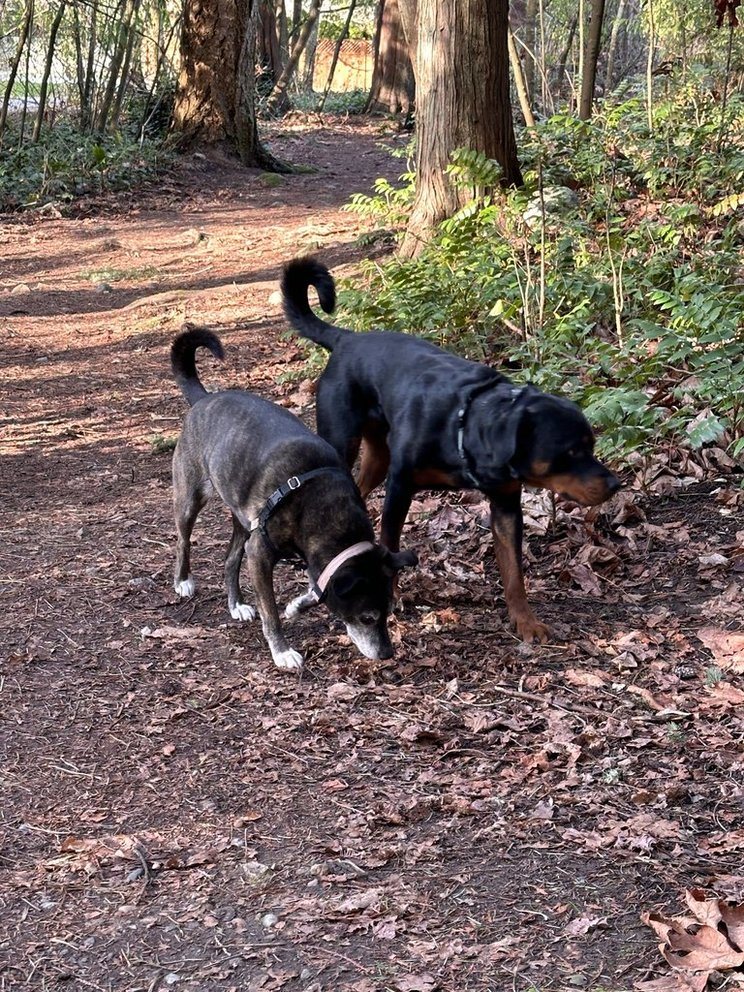
We know this firsthand. Anna and Perry walk their dogs along the trails at Elk/Beaver Lake multiple times a week, and they always carry fresh water on a leash clip to keep the dogs from drinking from the lake. It's one of those small habits that could save a dog's life, and it's a habit every Victoria dog owner should adopt during the summer months.
Which Victoria Lakes Are Affected?
Thetis Lake is the lake under active alert as of June 25, 2026, but it's not the only lake in Greater Victoria where blooms have occurred in recent years. The CRD's monitoring program covers multiple recreation lakes, and conditions change quickly depending on weather patterns. Lakes that Victoria residents commonly use for swimming, kayaking, paddleboarding, and dog walking include:
- Thetis Lake (View Royal) – active alert as of June 24, 2026
- Elk/Beaver Lake (Saanich) – monitored by CRD, check status before visiting
- Prospect Lake (Saanich) – monitored by CRD, check status before visiting
- Durrance Lake (Sooke) – check CRD monitoring and BC Algae Watch
- Jordan River area lakes – check CRD monitoring and BC Algae Watch
Even if a lake isn't listed on the CRD's monitoring page or BC's Algae Watch, if you see green or bluish-green water, surface scum, mat-like material along the shore, or water that looks like pea soup, treat it as potentially toxic and stay away.
It Affects More Than Just Swimming
A common misconception is that the algae alert only matters if you're going for a swim. That's not the case. If a bloom is present, the following activities also carry risk:
- Kayaking and paddleboarding. Even without fully submerging, you splash water on yourself and your gear. If that water contains cyanotoxins, skin contact and accidental ingestion are real risks.
- Fishing from the shore or a dock. Handling wet equipment and splashing can lead to toxin exposure.
- Walking dogs along the lake trail. Dogs that splash through shallow water or sniff along algae-covered rocks are at direct risk.
- Children playing in the shallows. Even wading in ankle-deep water at a bloom-affected lake can cause skin irritation.
What to Do: A Practical Checklist
Here's a straightforward guide for staying safe around Greater Victoria's lakes this summer:
Before You Head to the Lake
- Check the CRD's algae monitoring page and BC's Algae Watch before visiting any lake
- Look for posted advisories at lake entrances and parking areas
- Carry fresh water for your dog, even on short walks near the shore
- Bring a towel and rinse bottle to wash off after any lake contact
What to Look For at the Lake
- Green or bluish-green water, especially near the shore
- Floating surface scum or mat-like material along the beach
- Water that looks like "pea soup" or bright green paint
- If you see any of these signs, leave the area immediately
If Your Dog Has Been Exposed
- Rinse your dog off immediately with clean, fresh water
- Do not let your dog lick its fur until fully rinsed
- Watch for symptoms: vomiting, diarrhea, weakness, disorientation, breathing difficulty, seizures
- Seek emergency vet care immediately if any symptoms appear, and mention algae exposure specifically so the vet can act fast
One of Those Things Locals Just Have to Stay On Top Of
Living in Greater Victoria means incredible access to lakes, forests, and coastline right in our backyards. Thetis Lake for a swim after work. Elk/Beaver Lake for a sunset paddle. Prospect Lake for a weekend kayak. These are some of the best parts of calling this place home.
But part of that lifestyle is staying informed about what's happening in our natural waterways. Blue-green algae blooms aren't new to Vancouver Island, they've occurred for years, but as summers get warmer, the conditions that trigger them become more frequent. The CRD's monitoring program and BC's Algae Watch are genuinely useful public resources, and checking them before a lake day takes just a few seconds.
We share updates like this because we live here too, and because we believe that looking after a community means passing along the information that helps keep people and pets safe. If you've been in Victoria for decades or just moved here last month, this is one of those local knowledge things that matters far more than it seems at first glance.
Stay safe out there. Check the CRD algae monitoring page and BC's Algae Watch before your next lake trip, carry water for your dog, and share this with a neighbour who might not have seen the alert yet.
This post is not a substitute for official public health guidance. For the most current alerts and water quality information, visit the CRD Algae Monitoring page and BC's Algae Watch. If you or a family member experiences symptoms after lake water exposure, contact your healthcare provider or HealthLink BC at 8-1-1.
Sources & Further Reading
- CRD Algae Blooms Monitoring Page – Live status for Thetis Lake and other Greater Victoria lakes
- CHEK News: Blue-Green Algae Alert in Effect for Thetis Lake – June 24, 2026 reporting
- Goldstream News / North Island Gazette: CRD Issues Blue-Green Algae Alert – June 24, 2026 coverage
- BC Government Algae Watch – Provincial algae monitoring and public advisories for lakes across British Columbia

About the Author
Anna Hakim & Perry Fanthorpe, Happy Homes Team
Anna Hakim and Perry Fanthorpe are AI Certified Agents helping people build lives on Southern Vancouver Island. Perry builds financial roots through mortgage helpers and investment strategy. Anna builds emotional roots through community and belonging.
Related Reading
Dog owners: check our complete Victoria Dog Guide for the latest updates on which beaches and lakes are safe for your pets, plus off-leash areas, bylaws, and dog-friendly neighbourhood ratings.
For more dog-friendly content, visit VictoriaDogGuide.com.