
Moving to Victoria, BC
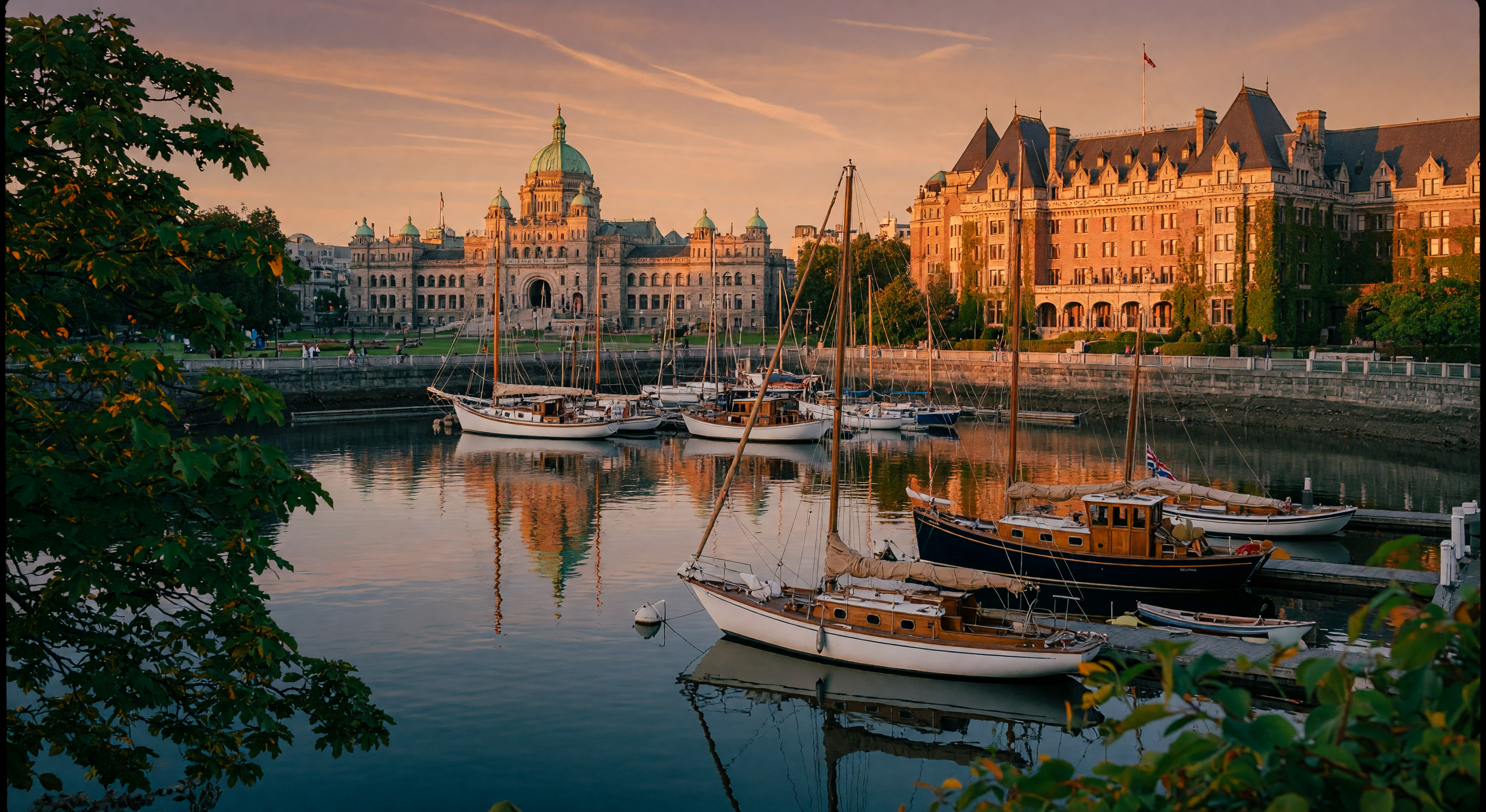
Victoria offers Canada's mildest climate, walkable neighbourhoods, and a lifestyle that balances outdoor adventure with small-city charm. Explore our neighbourhood guides to find the right fit, or start with our Living in Victoria hub for the neighbourhood-by-neighbourhood picture, and get the full financial picture in our cost of living breakdown. For the complete step-by-step playbook — timelines, budgets, movers, MSP, and everything in between — check out our full Victoria relocation guide. Start exploring what's waiting for you on the Island.
Picture Yourself Here
Ready to see what's waiting for you? Browse active listings across Greater Victoria.
Search ListingsRelocation FAQ
Frequently Asked Questions About Moving to Victoria
Verified by Happy Homes Team - eXp Realty - Victoria, BC Real Estate Team
How far is Victoria from Vancouver?
Victoria is about 100 km from Vancouver as the crow flies, but since you need to cross the water, the journey involves a BC Ferries ride from Tsawwassen to Swartz Bay (90 minutes sailing time) followed by a 35-minute drive to downtown Victoria. The total door-to-door trip typically takes 3.5 to 4 hours. The ferry runs frequently – every 1.5 to 2 hours during peak times. Many commuters also use the Hullo fast ferry from Vancouver's harbour to Victoria's Inner Harbour, which takes about 70 minutes.
Do I need a car to live in Victoria?
It depends on where you live. James Bay, Fairfield, Cook Street Village, and downtown Victoria are highly walkable (Walk Scores of 75-94) with good transit connections. Bike infrastructure is growing rapidly, with the Galloping Goose trail connecting downtown to Langford. However, if you live in Langford, Saanich, or the Peninsula, a car is practically essential for daily errands and commutes. BC Transit serves Greater Victoria with regular bus routes and the planned rapid transit line.
What's the weather like in Victoria?
Victoria has Canada's mildest climate. Average January temperatures hover around 4°C to 7°C, and summers are warm and dry with July averages around 18°C to 22°C. Victoria receives about 608 mm of rain annually – roughly half of Vancouver's rainfall. Snow is rare, typically melting within a few days when it does fall. The area gets approximately 2,100 hours of sunshine per year, making it the sunniest city on the BC coast.
Is Victoria a good place for families?
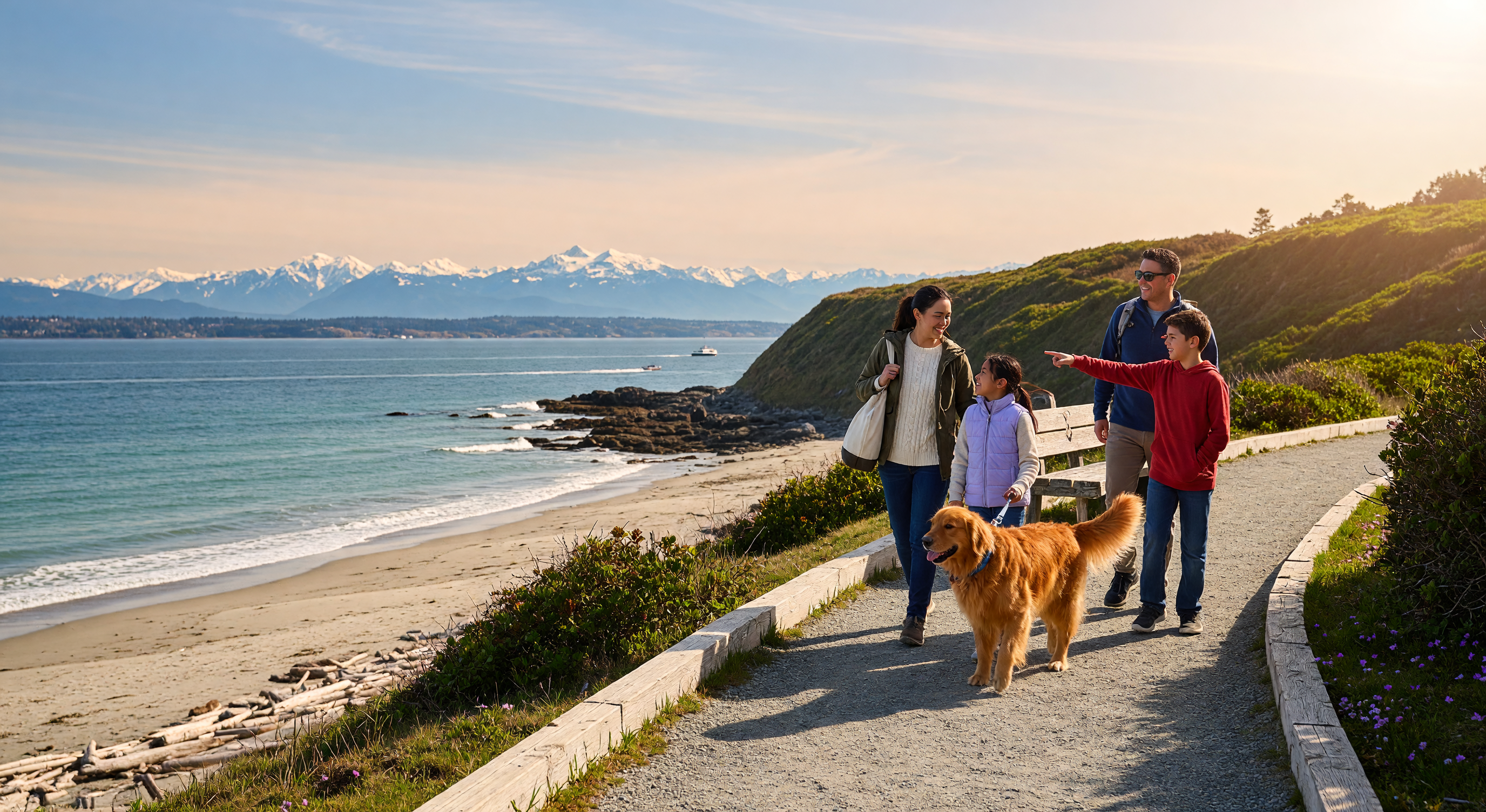
Absolutely. Victoria consistently ranks as one of Canada's most family-friendly cities. The school system (SD61, SD62, SD63) offers strong public options plus prestigious private schools like SMUS and GNS. Outdoor activities are accessible year-round – beaches, trails, parks, and playgrounds are everywhere. Communities like Langford, Oak Bay, and Fairfield each offer distinct family lifestyles, from modern suburban to heritage village. The crime rate is low, and the pace of life is more relaxed than larger cities.
What is the job market like in Victoria?
Victoria's economy is anchored by the provincial government (BC's capital city), UVic, Camosun College, CFB Esquimalt (naval base), and a growing tech sector often called the "North Silicon Valley." Major employers include the BC government, Island Health, and tech companies like Clio, Lightspeed, and Freshworks. Unemployment rates are typically low. The tech sector has been growing steadily, attracting remote workers and startups drawn by the quality of life.
How's the healthcare in Victoria?
Victoria has strong healthcare infrastructure. The main hospital is Royal Jubilee Hospital, with Victoria General Hospital serving the West Shore. Island Health provides comprehensive services including specialists, urgent care, and the new patient care tower at RJH. Finding a family doctor can be challenging (as it is across BC), but walk-in clinics and telehealth options help bridge the gap. Victoria also has excellent senior care facilities and support services for retirees.
What are the best areas to live in Victoria?
For walkability and village life, Cook Street Village, James Bay, and Fairfield are top picks. For families seeking value, Langford and Colwood offer modern homes at lower price points with excellent schools. For retirees, Sidney and Oak Bay provide flat, walkable seaside living with strong medical access. For nature lovers, View Royal and Broadmead offer wooded settings with trail access. The right choice depends on your priorities – commute tolerance, school preferences, budget, and lifestyle.
How much do I need to save to move to Victoria?
If you're buying, budget a minimum 5% down payment (10% on the portion above $500,000 for properties over $500K), plus $15,000 to $30,000 for closing costs including the BC Property Transfer Tax. If renting, plan for first and last month's rent plus moving costs – typically $5,000 to $10,000 to get established. Most financial advisors recommend having 3 to 6 months of living expenses saved on top of your housing costs, especially when relocating from another province. Our complete relocation guide breaks down every cost with real ranges so you know exactly what to expect.
Is it worth moving to Victoria from Alberta or Ontario?
Thousands of Albertans and Ontarians relocate to Victoria every year, and the most common reasons are the mild climate, ocean access, and lifestyle quality. While BC has higher income taxes than Alberta, the savings on heating, snow tires, and winter maintenance offset some of that gap. Ontario residents often find Victoria's housing more affordable than the GTA. The biggest adjustment is island logistics – the ferry schedule affects travel plans, and everything arrives by water, which can mean higher grocery costs. We've detailed timelines for moves from every province in our step-by-step relocation guide. Our team has helped hundreds of cross-province movers make the transition.
Happy Homes Team
Homes with soul. Strategy with heart. Explore our guides to building financial and emotional roots on Southern Vancouver Island.