Yes, James Bay is genuinely walkable enough to live without a car. Victoria's oldest neighbourhood has a Walk Score of 86, and the daily reality backs that up. You can walk to the Inner Harbour, Fisherman's Wharf, Beacon Hill Park, downtown Victoria, grocery stores, pharmacies, and dozens of restaurants without ever getting behind the wheel. It's one of the few neighbourhoods in Greater Victoria where owning a car is a choice rather than a necessity.
What Can You Actually Walk To from James Bay?
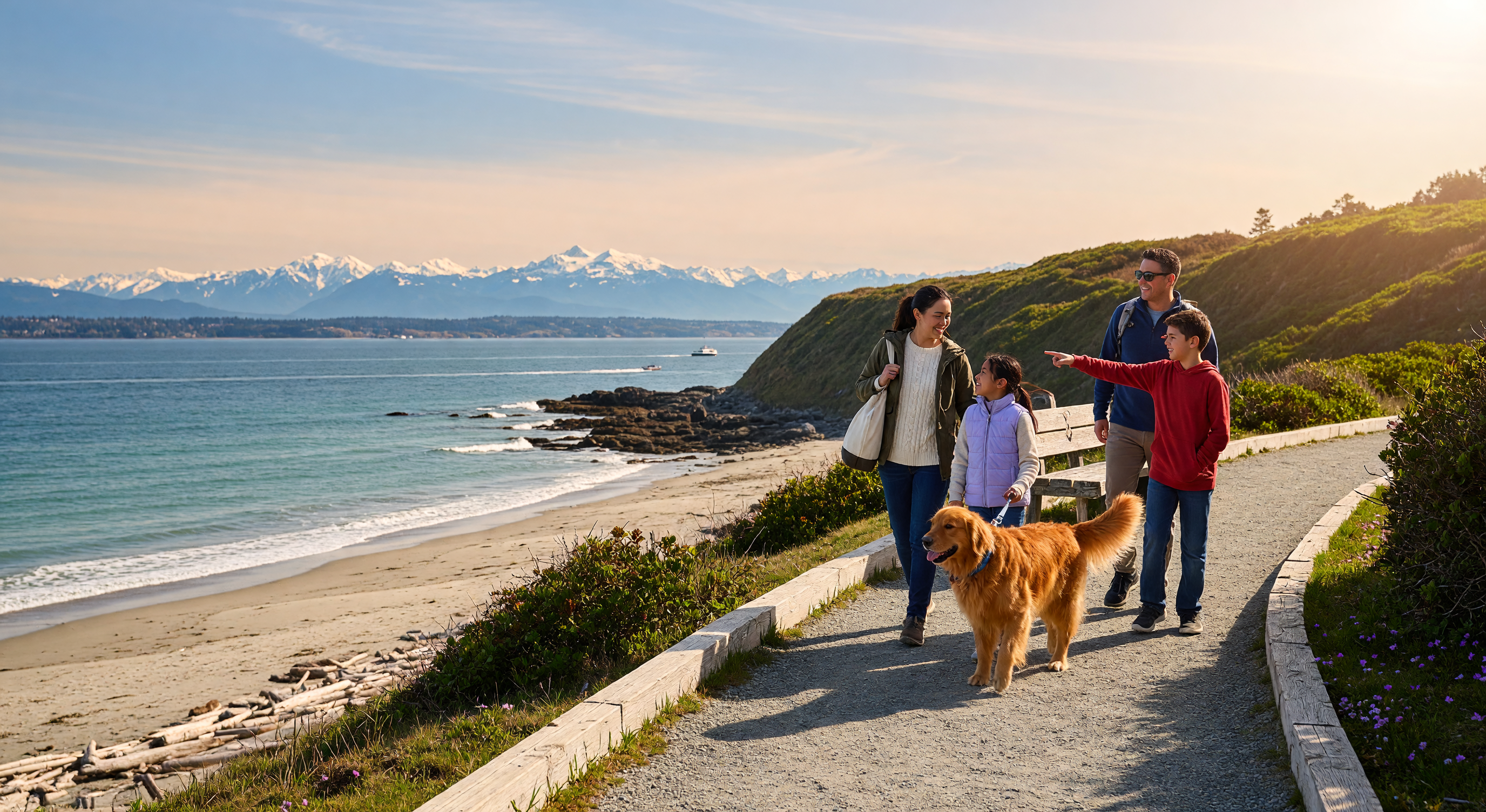
Nearly everything you need for daily life. The neighbourhood has its own grocery options, pharmacies, a community centre, and a library branch. Beacon Hill Park is your backyard. Fisherman's Wharf is a ten-minute walk for fresh seafood and harbour views. The Dallas Road waterfront trail runs along the entire southern edge of the neighbourhood, connecting you to Ogden Point and the breakwater walk.
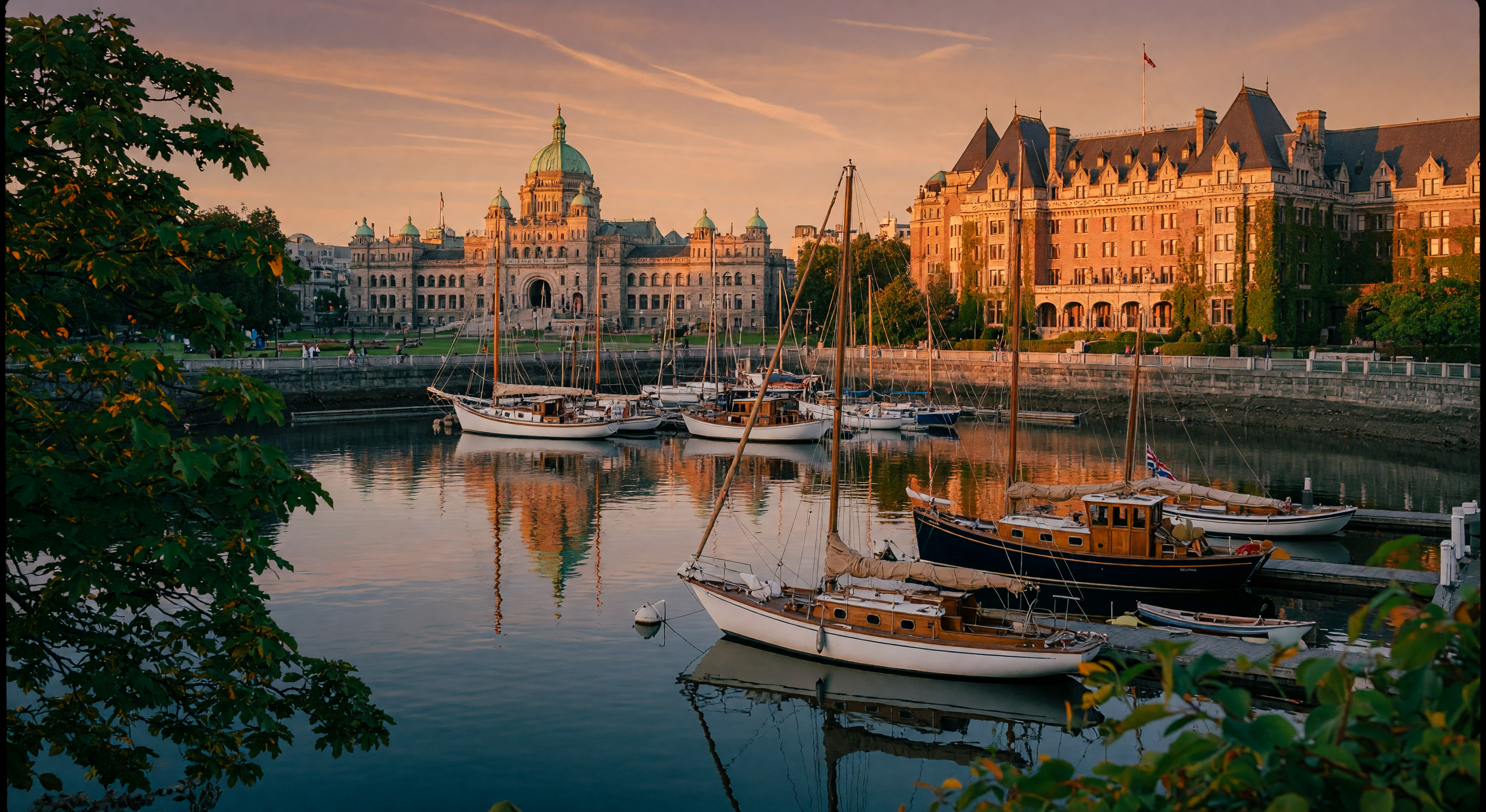
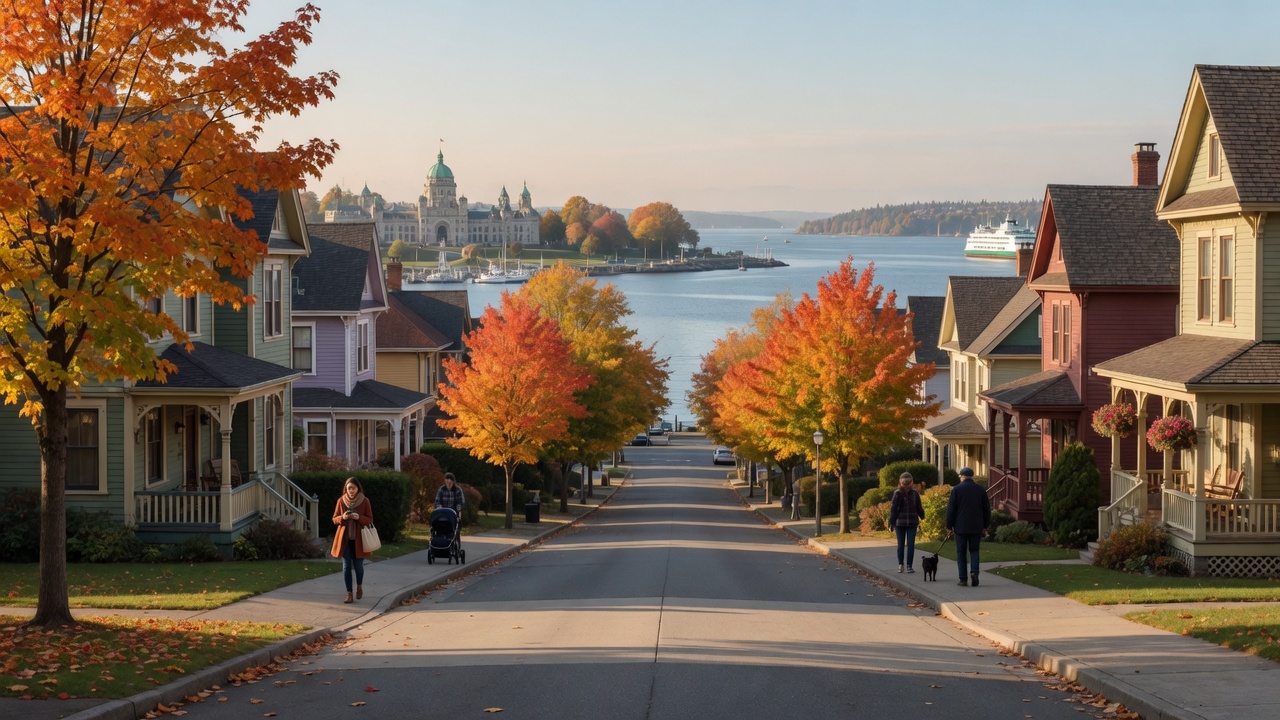
Downtown Victoria is a five to ten minute walk north, depending on where in James Bay you are. The Inner Harbour, the Empress Hotel, Government Street shops, and the bulk of Victoria's restaurant and cultural scene are all within easy walking distance. The James Bay Community Market runs on Saturdays and is a neighbourhood institution for local produce and handmade goods.
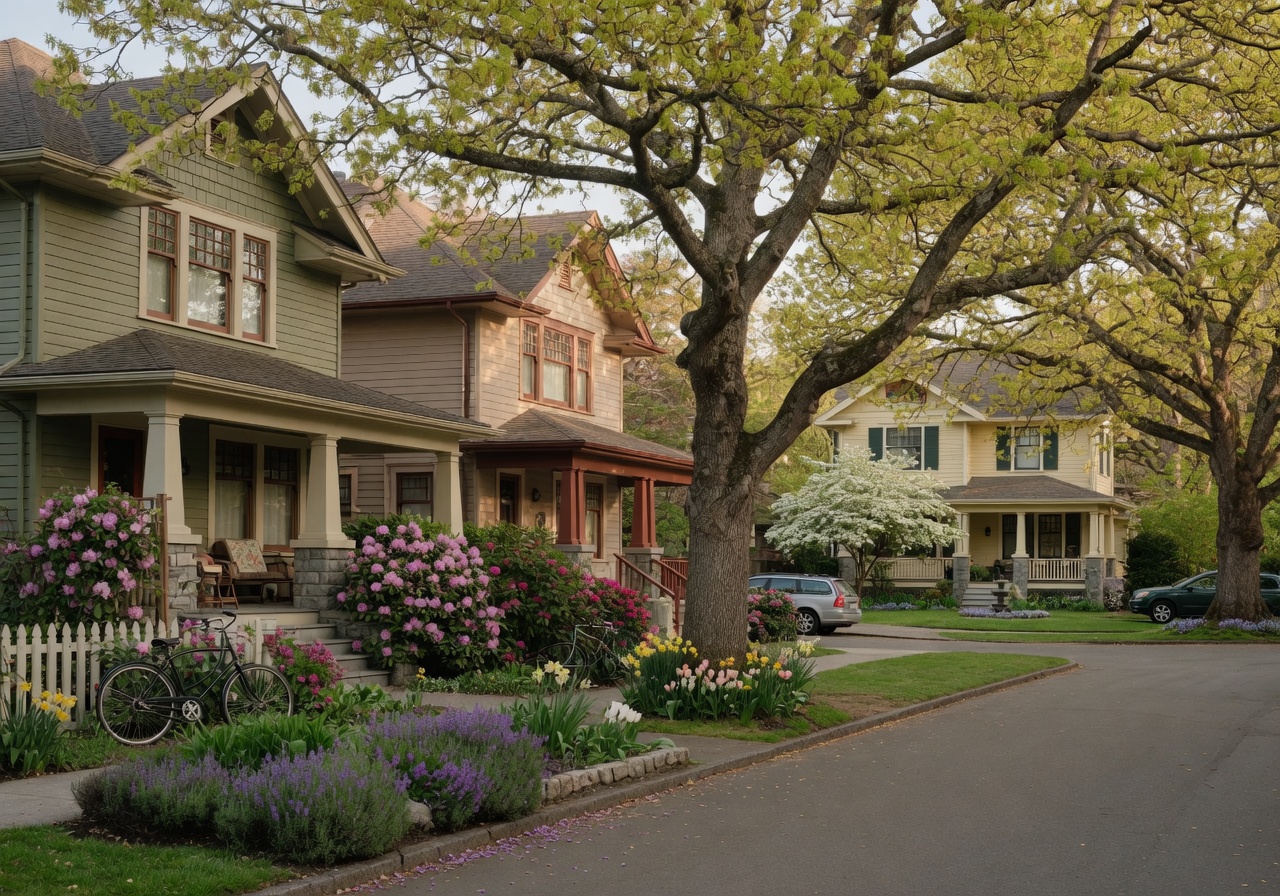
Residents who live closer to the Dallas Road end of the neighbourhood find they can handle most errands on foot or by bike. The neighbourhood is flat, the sidewalks are wide, and the streets are tree-lined in a way that makes walking genuinely pleasant year-round, not just on sunny days.
How Does Transit Work from James Bay?
James Bay is well-served by BC Transit. Multiple bus routes run along Douglas Street and Superior Street, connecting you to downtown, the University of Victoria, and other neighbourhoods across the city. The routes are frequent during peak hours and run into the evening.
The Victoria Harbour Ferry also runs from James Bay to the Inner Harbour and across to Spinnakers in Esquimalt. It's more of a scenic option than a commuter one, but it's a genuinely functional way to cross the harbour if you're heading to the Westside.
For trips outside Victoria, the downtown bus exchange is a short walk or bike ride away, with express routes to Langford, Sidney, and other Westshore communities. Locals who don't own cars typically use a combination of walking, cycling, transit, and the occasional car-share or taxi for larger errands or weekend trips up-Island.
What About Groceries and Big-Box Shopping?
This is where a car becomes more useful, though it's not essential. James Bay has local grocery options for day-to-day needs, but for a full grocery run, most residents walk or bike to Thrifty Foods on Fort Street or the Save-On-Foods in the vicinity. Larger shopping trips to places like Canadian Tire or Costco do require a car or a ride-share, though that's true of any inner-city neighbourhood.
Many James Bay residents who go car-free use grocery delivery services for big weekly shops and walk or bike for daily essentials. It's a trade-off that works well for most people who live here.
What Kind of People Live Car-Free in James Bay?
The demographic is wider than you'd expect. Retirees who no longer want the hassle of driving and parking. Young professionals who bike or work from home. Artists and freelancers who value the walkability and the creative energy of the neighbourhood. People who came from larger cities where car-free living was normal and don't want to change that habit.
James Bay also attracts people who simply want to simplify. The neighbourhood has a rhythm to it: morning walks along the Dallas Road bluffs, Saturday mornings at the community market, evening strolls to Fisherman's Wharf for fish and chips. It's a lifestyle that doesn't require a car to feel complete.
Where the Walkability Has Limits
James Bay is not perfect for car-free living if you commute to the Westshore or work in Langford. The transit connection to those areas exists but takes time. If your daily routine involves getting to Langford by 8:30 a.m., you'll want a car.
The neighbourhood also lacks the kind of dense commercial core you'd find in a major city. There's no equivalent of a Queen West or a Commercial Drive with a critical mass of shops, restaurants, and services all on one block. James Bay's commercial spots are more scattered, though the walkable ones are genuinely good.
Parking for visitors can also be tight, which matters if you have family who drive in to visit. Street parking fills up quickly, especially in summer when tourists add to the demand. Some properties come with private parking, but it's worth asking about during your home search.
The Real Estate Angle: Does Walkability Affect Value?
Absolutely. James Bay's walkability and waterfront access make it one of the most consistently sought-after neighbourhoods in Victoria. Properties here hold their value because the lifestyle is irreplaceable. You can't build another Beacon Hill Park, another Fisherman's Wharf, or another Dallas Road waterfront trail. The neighbourhood's Walk Score and its proximity to downtown are major drivers of property demand.
For buyers who value walkability over square footage, James Bay offers condos, townhomes, and character homes that put you steps from everything Victoria has to offer. The market moves quickly here. Inventory is tight, and properties that are well-priced don't last long.
Our James Bay neighbourhood guide breaks down the housing stock, price ranges, and local amenities in detail. Anna can help you understand the lifestyle fit, and Perry can look at the financial picture from an investment perspective.
Your Daily Routine: What It Looks Like
A typical day in James Bay without a car might look like this: morning walk along the Dallas Road bluffs with your coffee. Bike to work downtown or catch the bus along Douglas. Stop at Thrifty Foods on the way home for groceries. Evening stroll to Fisherman's Wharf or a walk through Beacon Hill Park. Weekend coffee at a Cook Street Village café, then the James Bay Community Market for fresh produce.
It's not a fantasy. It's how many James Bay residents actually live. The neighbourhood rewards people who value community, walkability, and the simple pleasure of being steps from the water.
Is It Right for You?
If you're someone who values walkability, character, and waterfront access over square footage and a garage, James Bay is worth a serious look. If you commute to the Westshore daily, you'll want to factor in the transit time or keep a car. If you're moving from a big city and want to keep living without a car, James Bay is one of the few places in Greater Victoria where that works without compromise.
Get in touch with the Happy Homes Team when you're ready to explore James Bay properties. We know every street, every heritage designation, and every pocket of this neighbourhood, and we'd be glad to help you find the right fit.

About the Author
Anna Hakim & Perry Fanthorpe, Happy Homes Team
Anna Hakim and Perry Fanthorpe are AI Certified Agents helping people build lives on Southern Vancouver Island. Perry builds financial roots through mortgage helpers and investment strategy. Anna builds emotional roots through community and belonging.