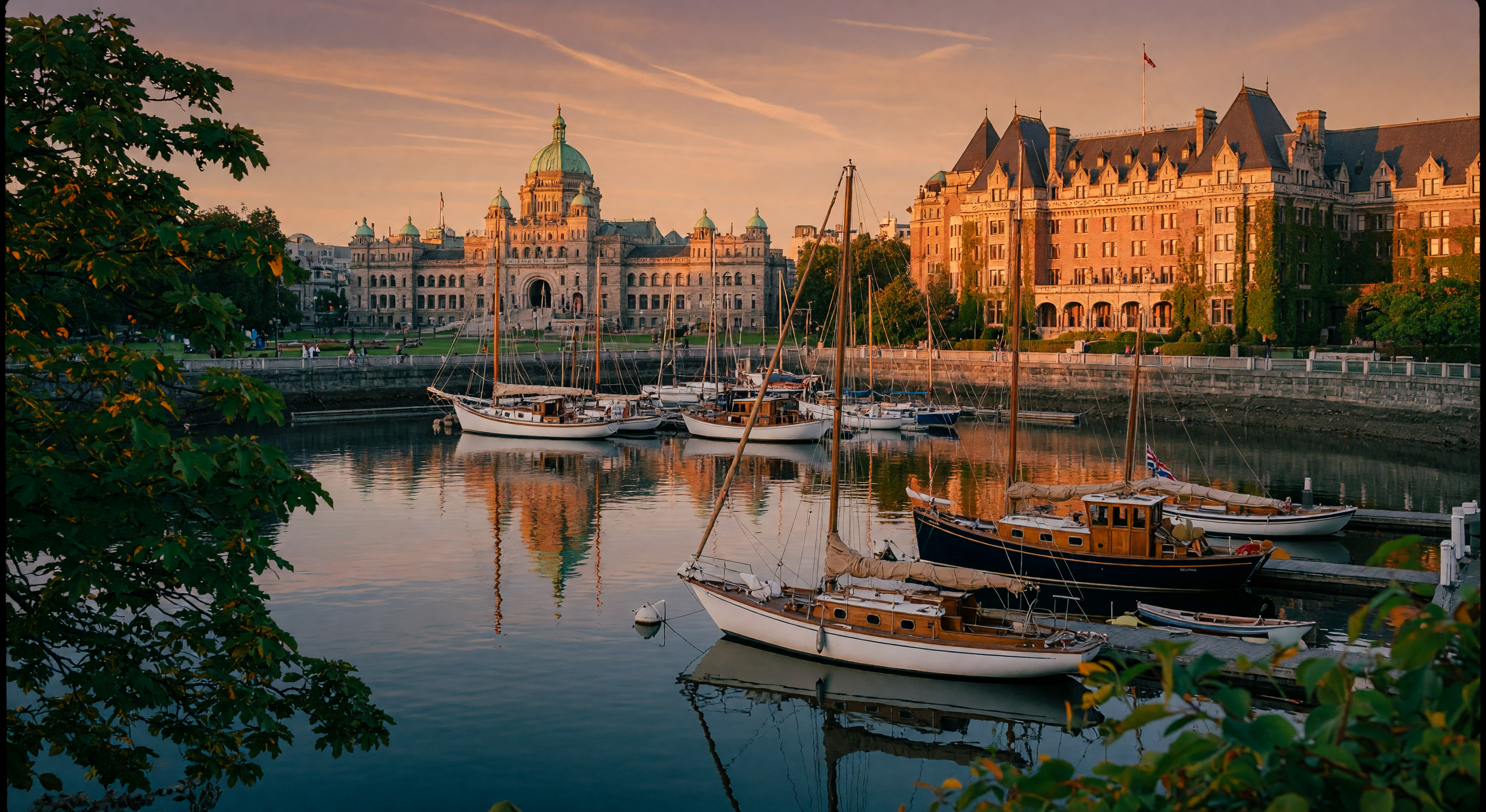
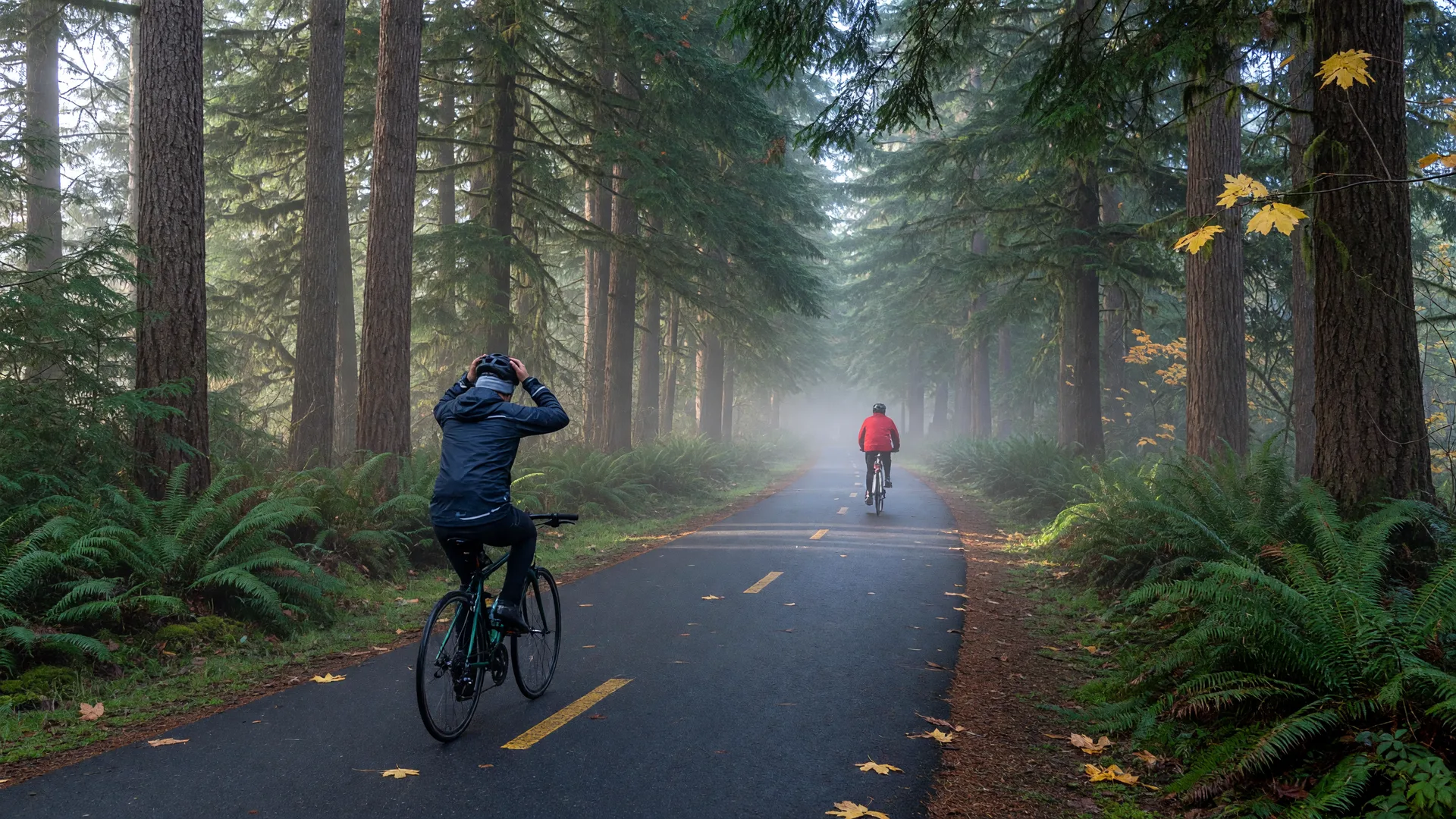
Yes, you can commute by bike in Victoria year-round, and thousands of people do. Victoria has the highest rate of bicycle commuting in Canada, with over 700,000 trips counted annually at the Galloping Goose and Harbour Road counter alone. The mild winters, the dedicated trail network, and the relatively flat terrain make cycling practical from October through March, not just the fair-weather months. But there are real differences between the trail and the road, and between cycling in July and cycling in January.
What's the Galloping Goose Trail Actually Like for Commuting?
The Galloping Goose Regional Trail runs 55 kilometres from downtown Victoria to Sooke and Leechtown, but the part most commuters use is the first 13 kilometres from Victoria to Colwood. That section is paved asphalt, flat, and separated from road traffic for almost the entire length. It connects directly to the downtown core via the Johnson Street Bridge and Harbour Road.
From the Galloping Goose counter data at Harbour Road, there were 706,241 bicycle journeys counted in 2022. That's not all commuters, it includes recreational riders and weekend users, but the trail stays busy on weekday mornings and evenings. During peak commuting hours, expect company.
Beyond Colwood, the trail switches to gravel and crushed stone. If you live in Langford or the West Shore and commute downtown, you'll want a hybrid or mountain bike with wider tires for that section, not a road bike with thin tires. The surface is well maintained, but it's not smooth pavement.
Local tip: The Galloping Goose has several road crossings that can feel awkward, particularly at the Island Highway in Langford and at Tillicum Road. The Colwood Cutoff crossing is busy during rush hour. Locals learn to time these crossings and stick to the well-lit, signal-controlled intersections where possible.
What About the Lochside Trail?
The Lochside Regional Trail runs roughly 29 kilometres from the Swartz Bay ferry terminal through Sidney and the Saanich Peninsula to downtown Victoria, where it connects to the Galloping Goose. Most of the Lochside is paved or hard-packed gravel, and it passes through a mix of suburban neighbourhoods and open farmland.
For commuters living in Brentwood Bay, Saanichton, or Sidney, the Lochside Trail is the main cycling artery into Victoria. The route is flat, scenic, and well-used by commuters and recreational riders alike. You'll pass farms, cross the Lochside Railway Trail trestle, and ride through the University of Victoria area before hitting downtown.
Local tip: The Lochside Trail connects to the Galloping Goose near the Point Ellice Bridge area, forming a single continuous cycling network from Sidney to Sooke. If you're shopping for a home and cycling commute matters, look at properties within a few blocks of either trail.
What's Winter Cycling Really Like in Victoria?
Victoria's mildest climate in Canada means average winter temperatures hover between 3 and 8 degrees Celsius. Rain is the real challenge, not cold. From November through March, expect rain on most weeks, and you'll need to plan for it.
Locals who cycle year-round typically invest in three things: a good rain jacket with pit zips, fenders for their bike, and lights for the short winter days. Studded tires are rare here because ice is uncommon. What you will encounter is wet pavement, occasional sideways rain, and reduced visibility during morning and evening commutes.
The City of Victoria has built over 24 kilometres of protected All Ages and Abilities (AAA) cycling infrastructure since 2016, including the bi-directional protected lanes on Fort Street from Cook to Foul Bay, completed in 2021. Pandora Avenue and routes like Hillside/Quadra and Vancouver Street also have dedicated cycling infrastructure. These protected lanes make a real difference during winter, when riding in traffic with slick roads is the last thing you want.
Outside of Victoria proper, the cycling infrastructure thins out quickly. Cycling advocates have noted that infrastructure beyond the city core is limited to painted lanes and disconnected segments, which is worth understanding if you live in Langford, Colwood, or Saanich and commute into downtown. The Galloping Goose trail bypasses this problem for trail-adjacent neighbourhoods, but road cycling on the West Shore in winter requires more caution.
How Long Does the Bike Commute Actually Take?
Depends on where you start and how fast you ride, but here are realistic local benchmarks:
- Esquimalt to downtown: 10 to 15 minutes via the Galloping Goose and Johnson Street Bridge.
- Colwood to downtown: 25 to 35 minutes on the paved section of the Galloping Goose.
- Langford to downtown: 35 to 50 minutes, depending on where in Langford and if you're on the gravel trail section or using roads.
- Sidney to downtown: 50 to 70 minutes on the Lochside Trail, mostly flat and scenic.
- Brentwood Bay to downtown: 40 to 55 minutes via the Lochside Trail.
For context, the same commutes by car during rush hour can take 20 to 45 minutes, depending on the route and construction. On days when the Johnson Street Bridge approach is backed up, the bike commute wins.
Where Should You Live If You Want to Bike to Work?
Homes near the Galloping Goose or Lochside Trail hold a specific appeal for bike commuters, and it shows in the market. Properties within a few blocks of the trail corridor often trade at a slight premium compared to similar homes further from the trail, because buyers value the direct, off-road connection to downtown.
Esquimalt offers the shortest commute on the Galloping Goose with character homes and waterfront parks nearby. Vic West sits right on the trail with newer townhome and condo development. Colwood and Langford offer more affordable housing stock and a direct trail connection, though the commute is longer. And Brentwood Bay and Saanichton connect via the Lochside Trail with a scenic, flat ride through the peninsula.
If cycling commute is a priority for your home search, it's worth talking to an agent who understands not just the listings but the trail connections. We've helped buyers find homes where the Galloping Goose trailhead is literally at the end of the street, and that kind of detail doesn't always show up in a standard listing search.
What Are the Real Limitations?
Victoria's cycling culture is genuine, but it's not perfect. Here's what experienced bike commuters will tell you:
- Rain is constant in winter, not dramatic. You won't get snow days off. You'll get damp, grey rides that test your commitment. A good rain jacket matters more than thermal gear.
- Summer is effortless. From June through September, cycling in Victoria is one of the best parts of living here. Long daylight hours, dry trails, and a cycling community that fills the Galloping Goose every evening.
- Infrastructure gaps outside Victoria proper. If you're commuting from Langford or Colwood by road rather than trail, be prepared for painted bike lanes and occasional construction detours.
- Secure bike storage matters. Check if your building or home has covered, lockable bike storage. Bike theft is a real issue in Victoria, and leaving a good bike on a porch overnight is not ideal.
The Bottom Line on Cycling Commutes in Victoria
Victoria is one of the few Canadian cities where year-round bike commuting is genuinely practical, not aspirational. The Galloping Goose and Lochside trails form a connected, off-road network that reaches from Sidney to Sooke. Protected bike lanes in Victoria proper have improved road cycling significantly. And the mild winters mean you're dealing with rain, not ice.
For homebuyers who want a short, off-road commute, the trail-adjacent neighbourhoods offer a lifestyle that's hard to match anywhere else in Canada. From a quick ride from Esquimalt to a scenic cruise from Brentwood Bay or a committed but affordable commute from Langford, cycling changes how you experience this city.
If a cycling commute is part of what you're looking for in a home, we'd love to help you find the right fit along the trail. Our contact page is open, and we know these trail connections well enough to match you with a home that works for your commute, not just your listing criteria.
See you on the trail.

About the Author
Anna Hakim & Perry Fanthorpe, Happy Homes Team
Anna Hakim and Perry Fanthorpe are AI Certified Agents helping people build lives on Southern Vancouver Island. Perry builds financial roots through mortgage helpers and investment strategy. Anna builds emotional roots through community and belonging.