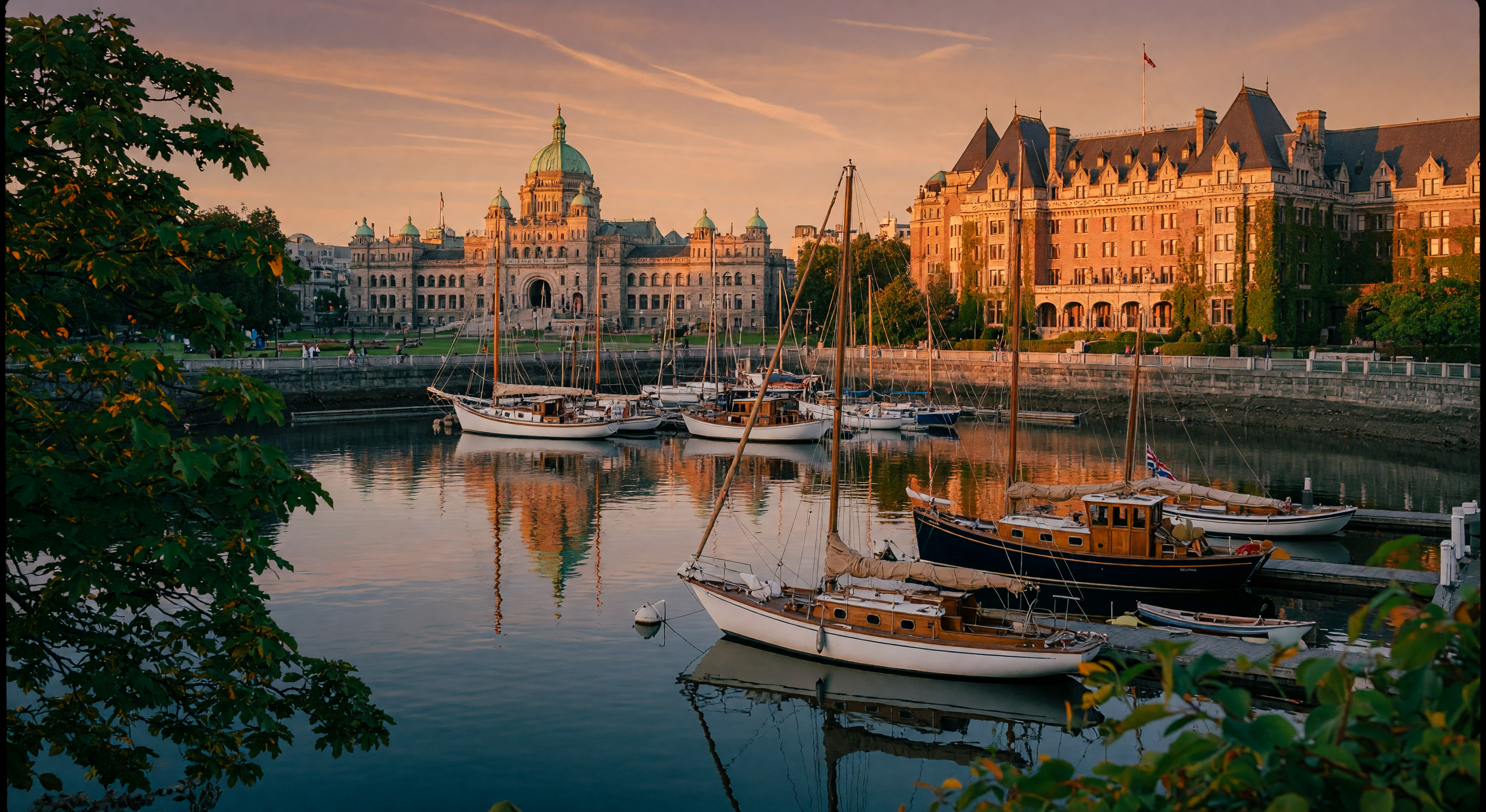
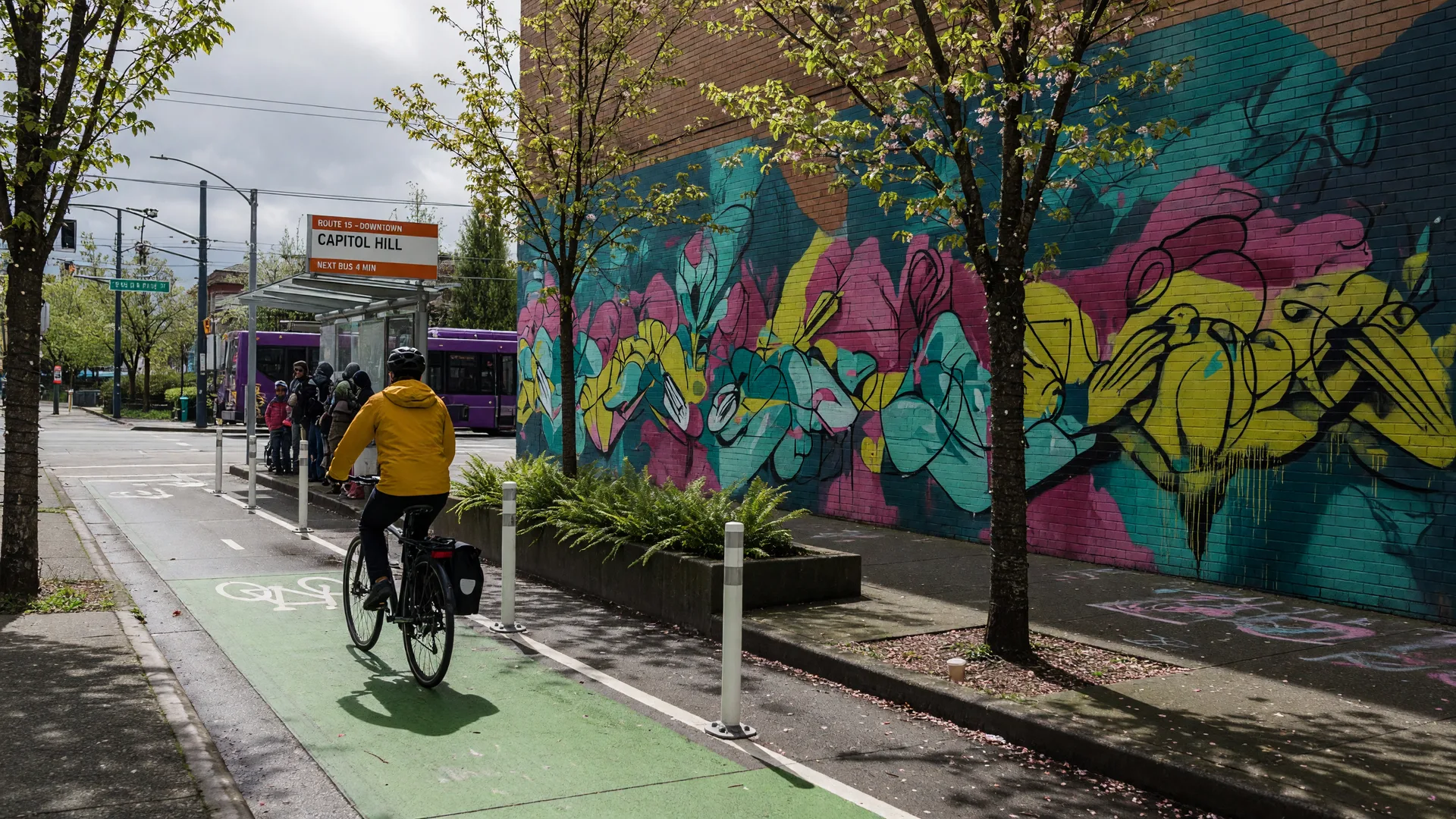
Yes, thousands of Victorians do it. If you live in the downtown core, James Bay, Fairfield, Fernwood, or Vic West, you can get to groceries, work, cafes, and the waterfront on foot or by bike year-round. The city has one of the best bike networks in Canada, a decent bus system, and car share options for the trips that need four wheels. But living car-free in Langford, Sooke, or the Peninsula is a different story. The short answer: it depends entirely on where you live and what your routine looks like.
I have friends in Victoria who sold their car five years ago and have not looked back. I have other friends who moved from downtown to Langford and bought a second vehicle within six months. The difference is not about willpower or ideology. It is about where your home sits relative to the things you do every day. If you are thinking about ditching the car, or just wondering whether you could get away with one instead of two, here is what living car-free actually looks like in Greater Victoria.
Which neighbourhoods work without a car?
This is the single most important question. Victoria's walkability is not evenly distributed. The downtown peninsula is compact, flat, and dense. Head west past the Colwood Crawl or north past Royal Oak, and the math changes fast.
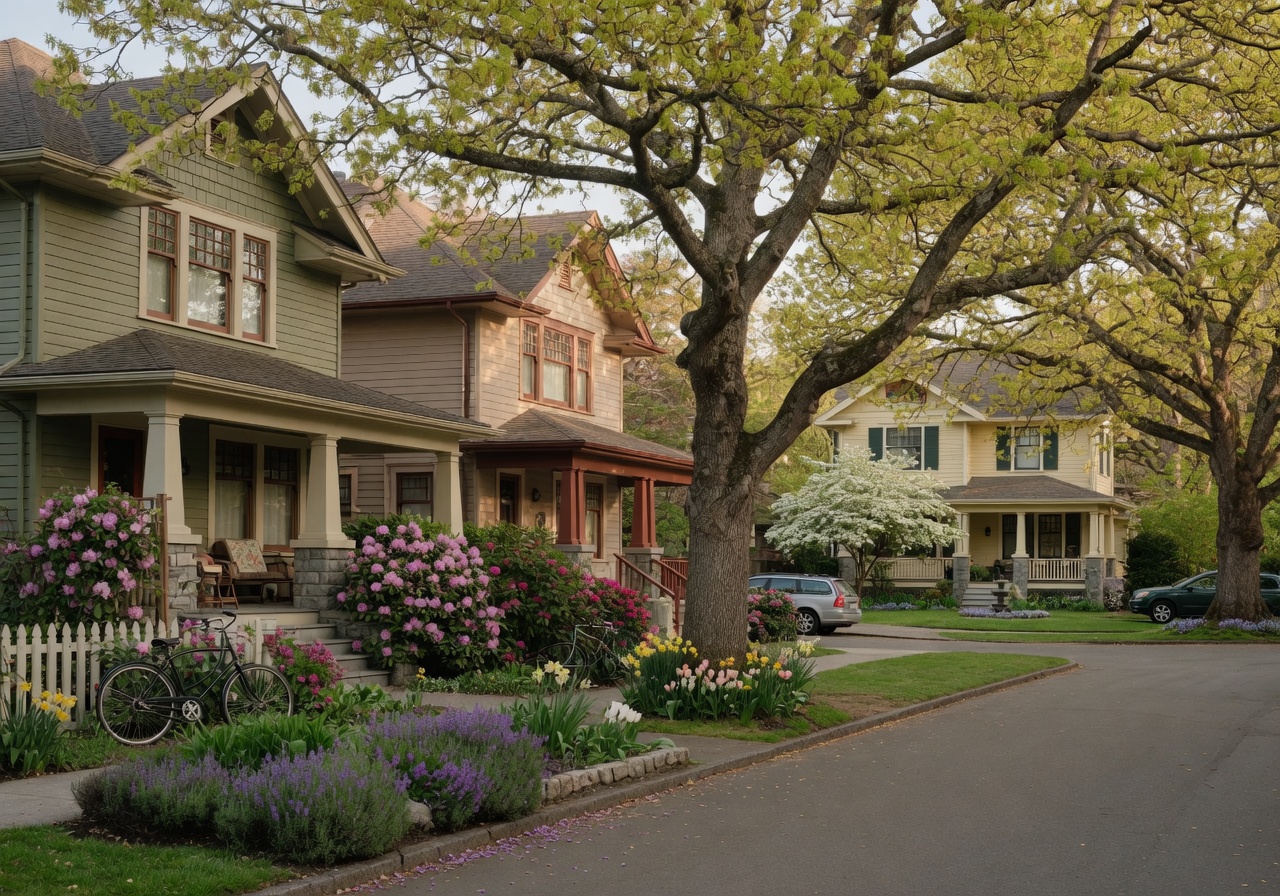
The neighbourhoods where locals consistently live car-free are the core urban villages: Harris Green (Walk Score 95), North Park (92), Downtown, James Bay (73), and Fairfield. These areas put a grocery store, a pharmacy, a coffee shop, and a bus stop within a five-minute walk. Fernwood and Vic West score slightly lower but still work well because they sit on major bike routes and bus lines. Oak Bay village is walkable in its own right, but getting downtown from the outer edges means a bike or a bus.
Outside those core areas, car-free living gets harder. Langford, Colwood, Sooke, and the Saanich Peninsula are built around car infrastructure. You can make it work if you live right on a frequent bus route near a commercial hub, but most errands require wheels. We break this down neighbourhood by neighbourhood in our full neighbourhood guides.
How good is the bike network really?
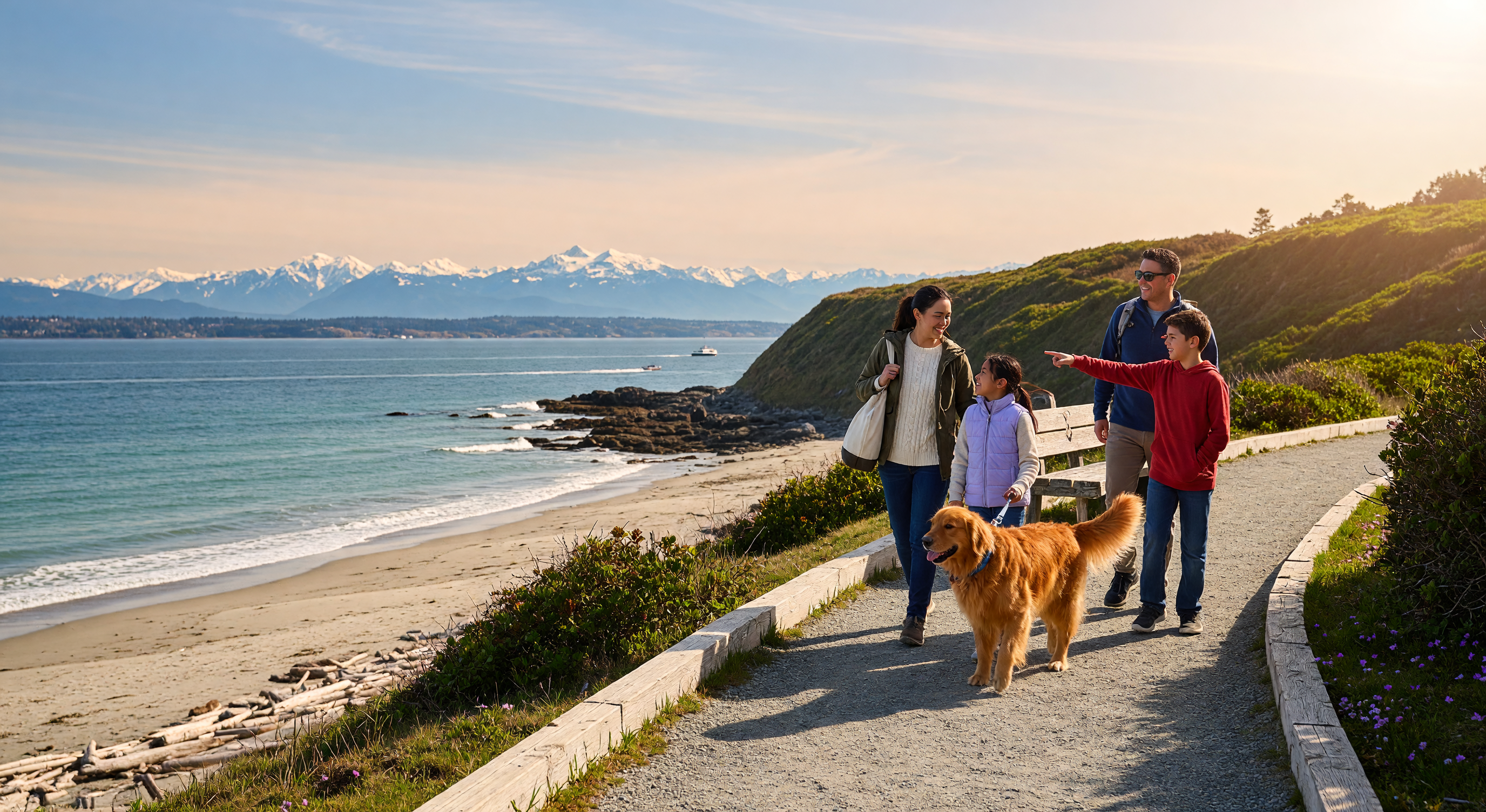
Victoria's cycling infrastructure is genuinely good by Canadian standards, and it keeps getting better. The protected bike lanes on Pandora Avenue and Fort Street run east-west through the core and connect to the Johnson Street Bridge, which gets you across the harbour without mixing with car traffic. The Galloping Goose Regional Trail runs 55 kilometres from downtown all the way to Sooke, and the Lochside Regional Trail goes 29 kilometres from Saanich up to the Swartz Bay ferry terminal. Locals use these trails for commuting, errands, and recreation year-round.
The city's relatively flat topography helps. You do not need to be a serious cyclist to get around on two wheels. E-bikes have become very common, especially for people commuting from Fairfield or Oak Bay into the core, and most bus routes have bike racks. The main limitation is weather: a determined cyclist rides through the winter drizzle, but not everyone wants to.
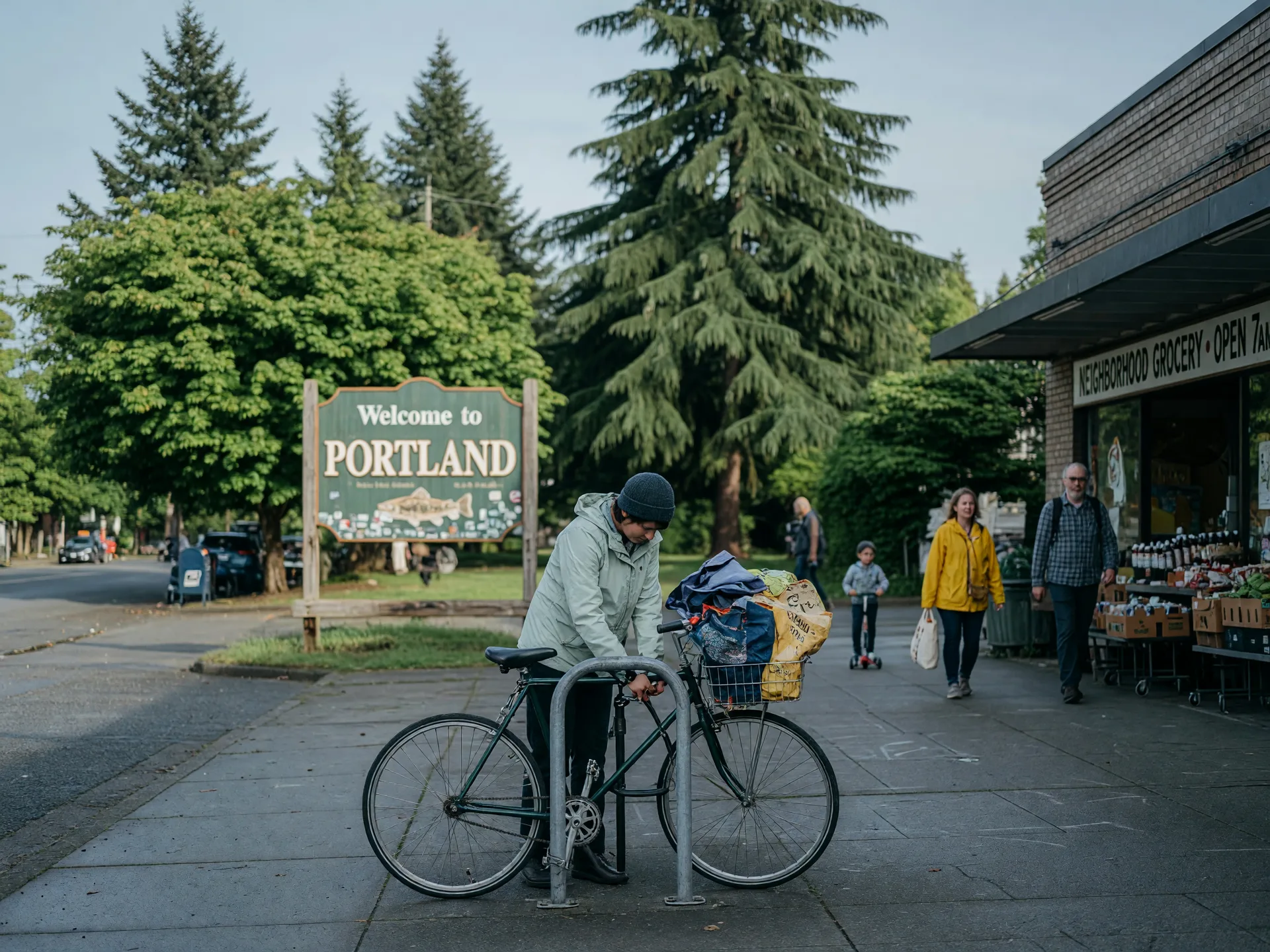
Many Victorians run daily errands entirely by bike, even in the cooler months.
Does the bus work for daily life?
The Victoria Regional Transit System runs 58 routes carrying about 100,000 riders on a typical weekday. The frequent routes, running every 15 minutes or better between 7 a.m. and 7 p.m., are your best bet for regular commuting. The main hubs are Douglas and Hillside, the UVic Exchange, and the Langford Exchange.
For people living near those hubs, the bus is genuinely practical. The 95 Blink RapidBus connects Langford and downtown in about 30 minutes with limited stops, and it has been a game-changer for West Shore commuters who want to avoid driving the Colwood Crawl. But if you live in a more suburban part of Saanich or a rural area like Metchosin or East Sooke, bus frequency drops to once per hour or less, and a 15-minute drive can become a 45-minute bus ride with a transfer.
What about groceries, doctors, and the occasional big trip?
This is where the real friction lives. Daily errands are easy downtown. The Market on Yates, Thrifty Foods on Fort, and the James Bay Market are all walkable from most core neighbourhoods. The Moss Street Market and Victoria Public Market handle the weekend farmers market run.
For bigger trips, most car-free locals use a combination of delivery services, shared cars, and the occasional rental. Modo and Evo car share both operate in Victoria, and having a Modo car share pod within a few blocks is the difference between "car-free by choice" and "car-free by inconvenience." For IKEA runs, hardware store trips, or picking up a used couch on UsedVictoria, you either borrow a friend's truck or rent one by the hour.
Medical appointments are the one category where the car-free lifestyle can genuinely be a problem. Specialists are scattered across the city, and not all are on good bus routes. If you have regular appointments at the Royal Jubilee Hospital, the Victoria General Hospital, or a clinic in a strip mall on the edge of town, you will notice the absence of a car more than on a typical day.
What do people actually spend on car-free living?
This is where the financial argument gets interesting. A monthly bus pass costs about $85. A Modo membership with occasional usage runs maybe $100 to $200 a month. Add the occasional taxi or rental, and you are looking at $200 to $300 per month for full mobility.
Compare that to owning a car in Victoria: insurance, gas, maintenance, parking, and depreciation. Even a modest used car costs $400 to $700 per month to operate. A household that goes from two cars to one saves real money. A household that goes from one car to zero saves enough that it can meaningfully change what kind of home they can afford, which is where this connects back to real estate decisions. If you are house hunting in Victoria, factoring in the cost of a car (or the savings from not having one) should be part of the math.
If helping you run that math sounds useful, that is what we do. Anna and Perry at the Happy Homes Team help people figure out not just what they can afford in a mortgage, but what kind of lifestyle their budget supports. Reach out and we can walk through it together.
Can families go car-free?
Honestly, it is harder. A single person or a couple can manage with one car or none. Add kids, and the calculus shifts. School drop-offs, extracurricular activities, playdates, and grocery runs with children multiply the number of trips and the amount of stuff you need to carry. Most families I know in the core have one car rather than zero, and they use it a few times a week while doing everything else on foot or by bike.
That said, some families do it. The neighbourhoods around George Jay Elementary, James Bay Elementary, and Sir James Douglas Elementary are walkable enough that some parents manage with cargo bikes and bus passes. It takes more planning, but it is not impossible.
The bottom line for home buyers
Whether you can live without a car in Victoria depends almost entirely on one decision: where you buy. A condo in Harris Green or a townhouse in Fernwood puts you in a walkable, bikeable, transit-connected environment where a car is optional. A single-family home in Langford or Sooke means you are driving, full stop.
That tradeoff is not a judgment on either lifestyle. It is a real factor in the budget, and one that a good real estate conversation should address. If you are exploring a move to Victoria and wondering which neighbourhoods match the way you actually want to live, our neighbourhood guides and relocation hub exist for exactly that reason. And if you want to talk it through with someone who knows the streets, the bus routes, and the bike lanes firsthand, book a chat with the Happy Homes Team. We would love to help you find the right fit.

About the Author
Anna Hakim & Perry Fanthorpe, Happy Homes Team
Anna Hakim and Perry Fanthorpe are AI Certified Agents helping people build lives on Southern Vancouver Island. Perry builds financial roots through mortgage helpers and investment strategy. Anna builds emotional roots through community and belonging.