Short answer: no, Island cars generally do not rust faster than mainland or prairie cars, and underneath they are often in better shape, because we simply do not salt the roads like Ontario does. But cars here corrode differently, and the thing to look for is coastal salt air and damp, not road salt. If you are moving a car to the Island or shopping for a used one, the checklist is different from what you learned in Alberta, and knowing the difference saves you from both overpaying and walking away from a good car.
Does BC Actually Salt the Roads Like Ontario?
No, and the numbers are stark. Province-wide, BC spreads roughly one million tonnes of sand and abrasives versus only about 100,000 tonnes of road salt each winter, and the south Island gets a fraction of that. South Vancouver Island crews stock around 4,000 tonnes of rock salt for the whole season, chosen because our winters hover around freezing and the moisture is frequent but mild. In a normal Victoria winter, most days on the Malahat and the highways are managed with sand or de-icing chemicals rather than a salt bath.
That is why the underside of a true Island car is usually a good news story. People moving here from Ontario or Quebec expect rockers and frames eaten away, and instead they find hardware that has never seen a salt slurry. It is genuinely one of the best arguments for buying local, and it is why there are so many old cars still doing daily duty here.
So Where Does the Rust Actually Come From?
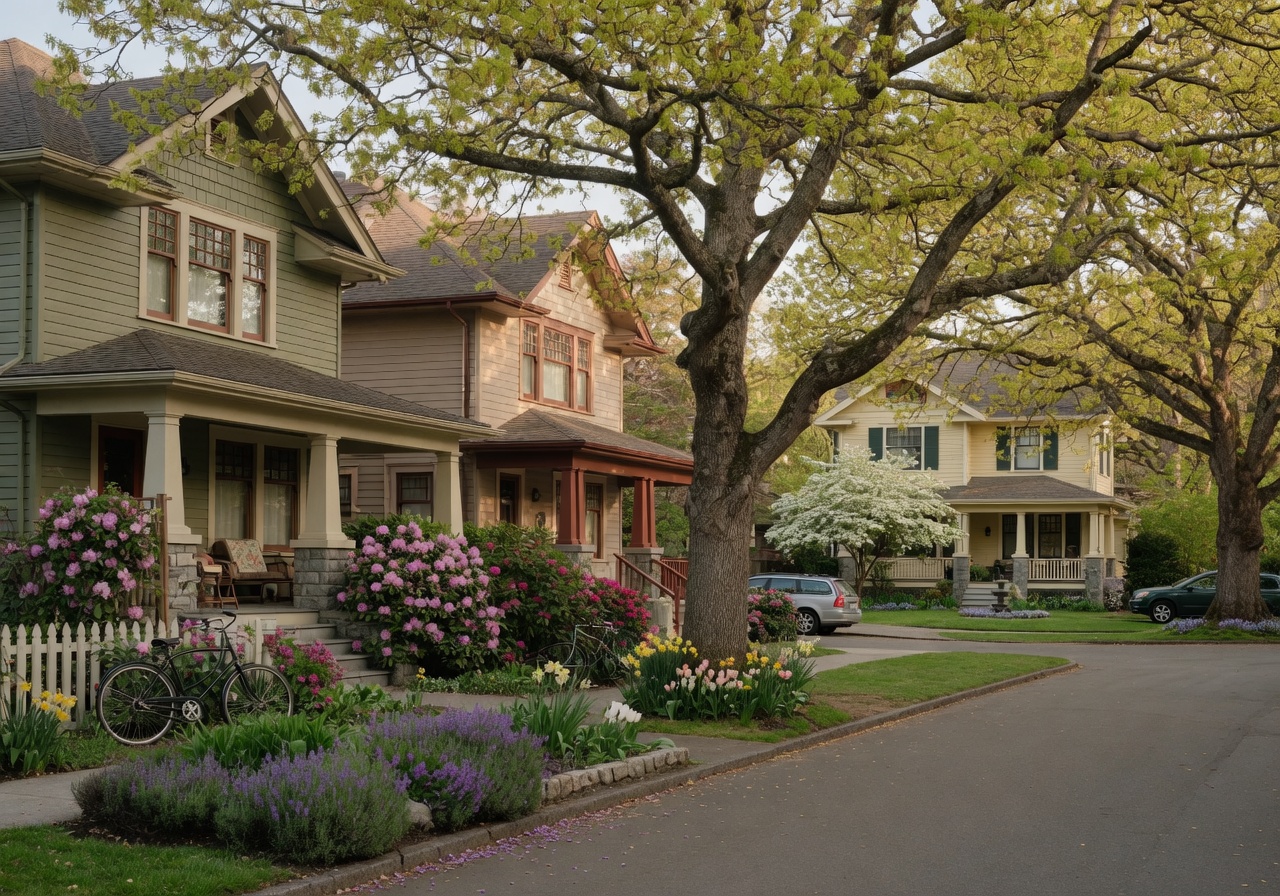
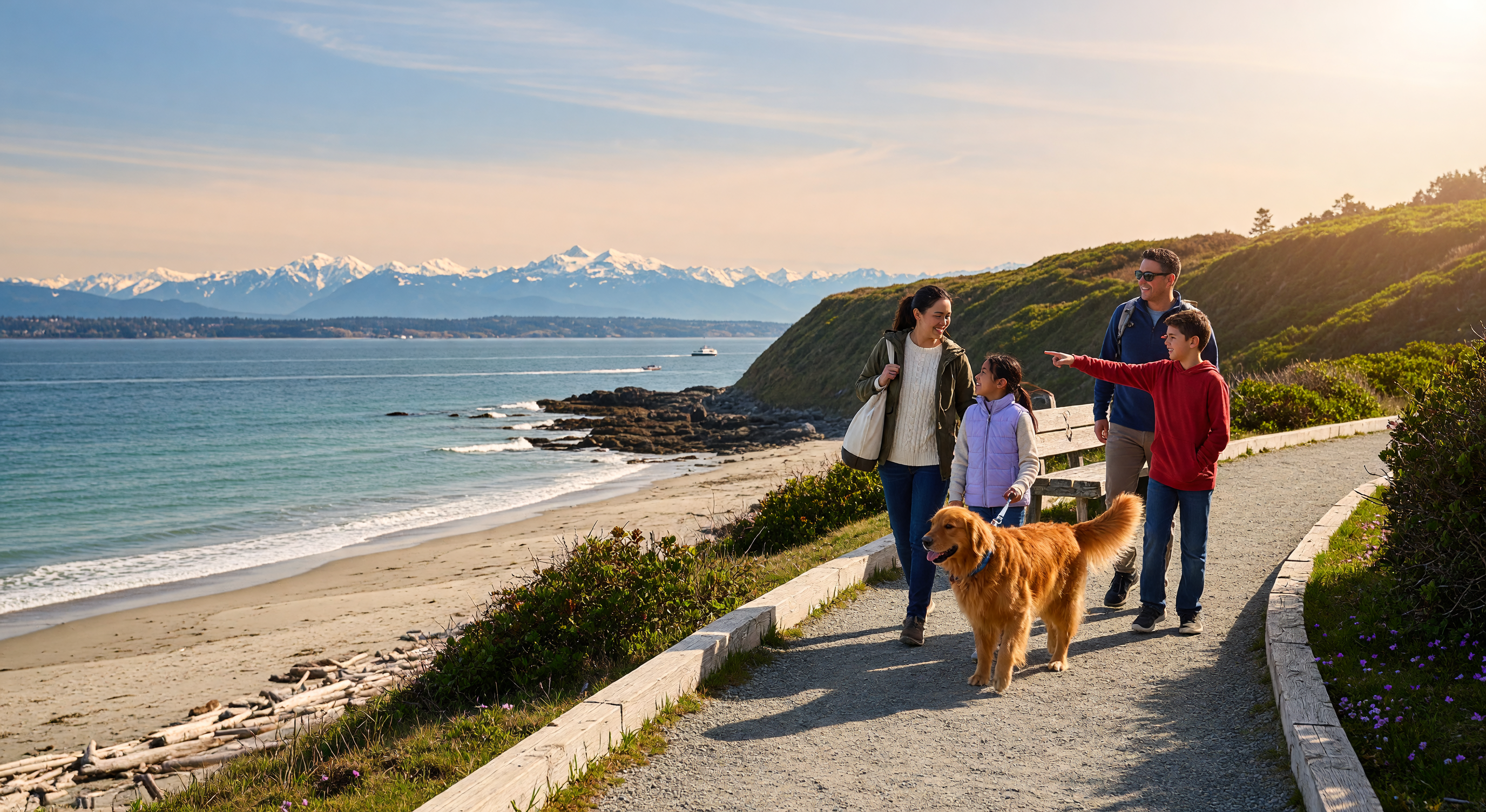
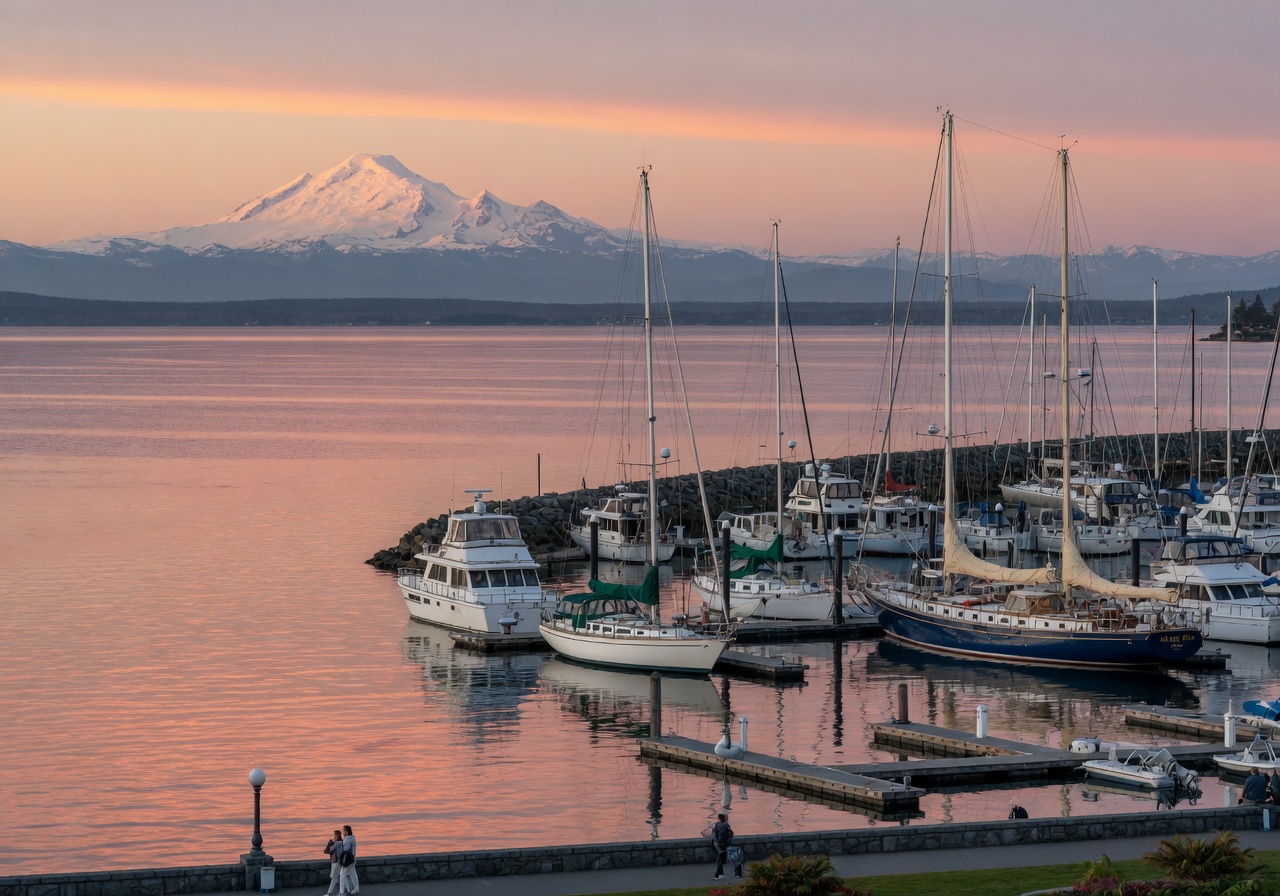
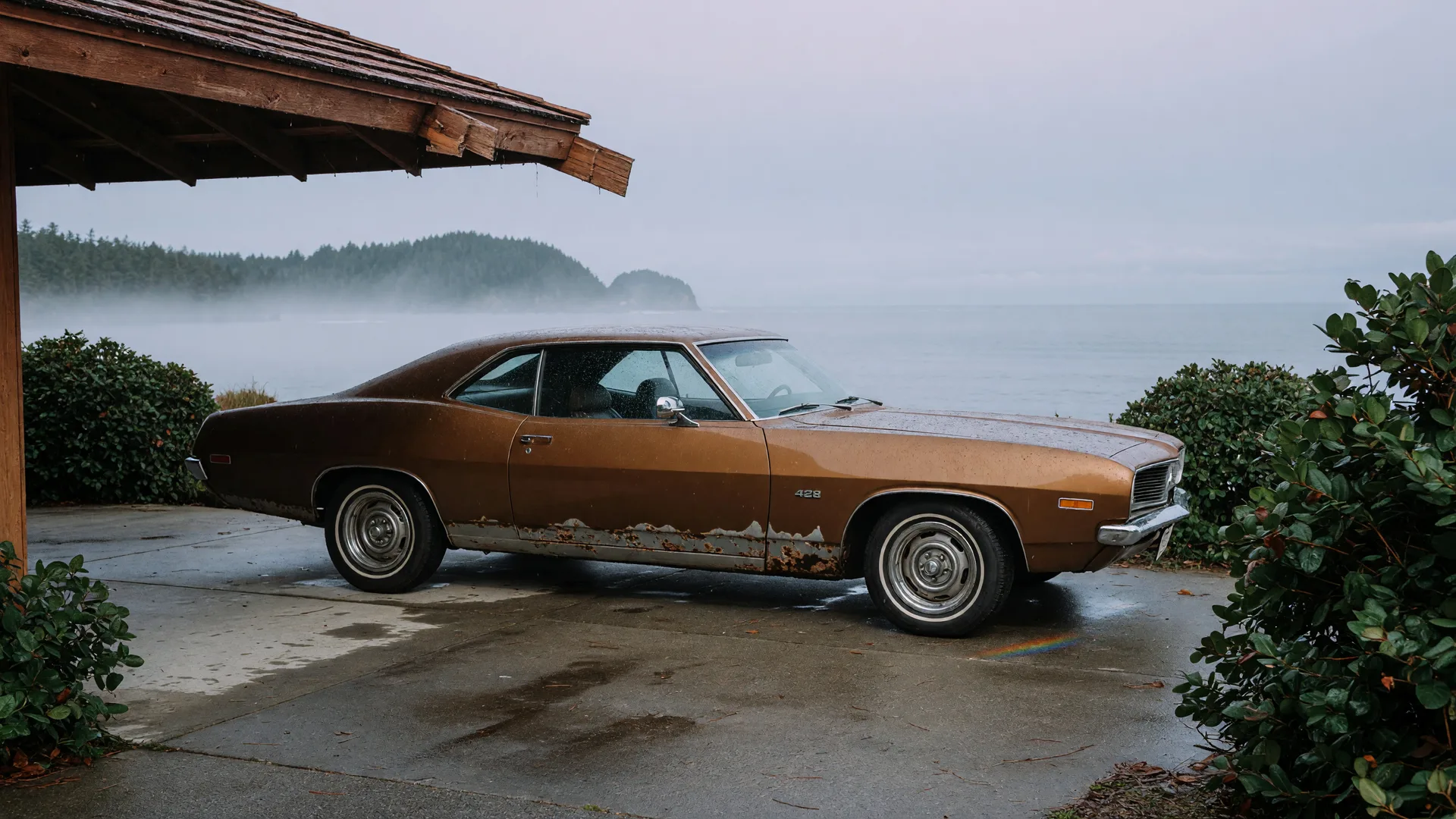
Sea air, and there is no getting around it near the coast. Salt carried in marine breezes and morning dew collects on panels, fasteners and brake hardware, and our damp climate keeps metal wet longer, so corrosion starts on painted chips and bare metal rather than from salted roads. Homes and parking within roughly 10 miles of the ocean see it most, which in Greater Victoria covers a lot of prime real estate: Oak Bay, Gonzales, Cadboro Bay, Cordova Bay, the Gorge and most of the Peninsula all sit inside that band.
What corrodes first tells you what to check. Rocker panels, quarter panel lips, wheel wells, brake calipers and lines, exhaust hangers and any scratched painted metal on the hood or roof are the usual suspects. Locals joke that rust-proofing is not really a thing here, and they are mostly right; what matters more is washing the salt off after a windy beach day, fixing rock chips before winter, and keeping the car out of the damp.
What Should You Actually Check on a Used or Classic Car Here?
Flip the mainland checklist. Instead of inspecting for a rusted-out frame from road salt, you are looking for surface corrosion from proximity to the ocean and from years of sitting damp. Check the underside anyway, because a clean one is the blessing we get to enjoy, then give the rockers, fender lips and wheel wells a proper poke with a screwdriver, and pull a brake caliper bolt or two if the seller allows it. Surface rust on bolt heads and brackets is normal and mostly cosmetic; scaling metal in structural spots is not.
Two local specifics worth knowing. First, cars that lived near the water but inside a garage or under a carport age far better than the same car parked on an exposed driveway, so service history and parking arrangements are fair questions to ask. Second, paint chips that never got touched up become little rust starts, so a well-kept exterior tells you a lot about how the previous owner fought the climate.
What About a Classic or Collector Car?
The mild climate is genuinely a gift for classic car owners, and the scene here is a real one. If you are buying something old enough to run on ICBC collector plates, the 25-year rule applies, and the good news is that cars kept here often never saw a salted winter at all. The caution is storage: a car sitting in a damp, unlined shed on the coast will grow surface corrosion faster than a car parked in a dry interior garage. Buy the car, then buy the garage.
And if you are new to the local car world, the social side is worth plugging into. The classic car clubs welcome newcomers, the car shows are where you meet the people who have owned Island cars for decades, and the recurring meets are the fastest way to pick up local knowledge about who fixes what and which cars are worth a look.
What Does This Mean When You Are Choosing a Home?
More than you might think. For anyone with a weekend car, a project car or a classic, the garage is the single biggest factor in how well the car survives, and it is a line item on the real estate side of the ledger that car people overlook at their own cost. A home with a dry, insulated garage near the water protects the car better than an inland home with a carport and an open gravel pad. When we show homes to car buyers, garage size, height, power and dampness are questions the listing photos never answer, and they are worth a visit to check.
Garages also matter for resale, not just hobby. A solid two-car garage is a feature buyers across the board pay for, and on the damp coast it reads as "my car and my tools will survive here". Our guide to homes for car enthusiasts walks through what to look for, from door height to workshop potential, and it is worth reading before you book showings.
Next Steps: Look Underneath, Then Look at the Driveway
Your move if you are shopping: get the car on a hoist or at least onto ramps, inspect the usual sea-air spots first and the frame second, wash off any coastal film before it sits, and fix chips in the fall. And when you buy, buy the storage at the same time. The best car purchase on the Island is the one that parks somewhere dry.
When the home side of the equation is on your mind, the Happy Homes Team can help you find a place with a garage and driveway that actually fit your cars and your budget. Anna can help you picture the daily life of the neighbourhood, including where you will park, and Perry can look at the bones of the garage and what it would take to turn it into a proper workshop. You can also book a call with us to talk through what you are looking for.

About the Author
Anna Hakim & Perry Fanthorpe, Happy Homes Team
Anna Hakim and Perry Fanthorpe are AI Certified Agents helping people build lives on Southern Vancouver Island. Perry builds financial roots through mortgage helpers and investment strategy. Anna builds emotional roots through community and belonging.