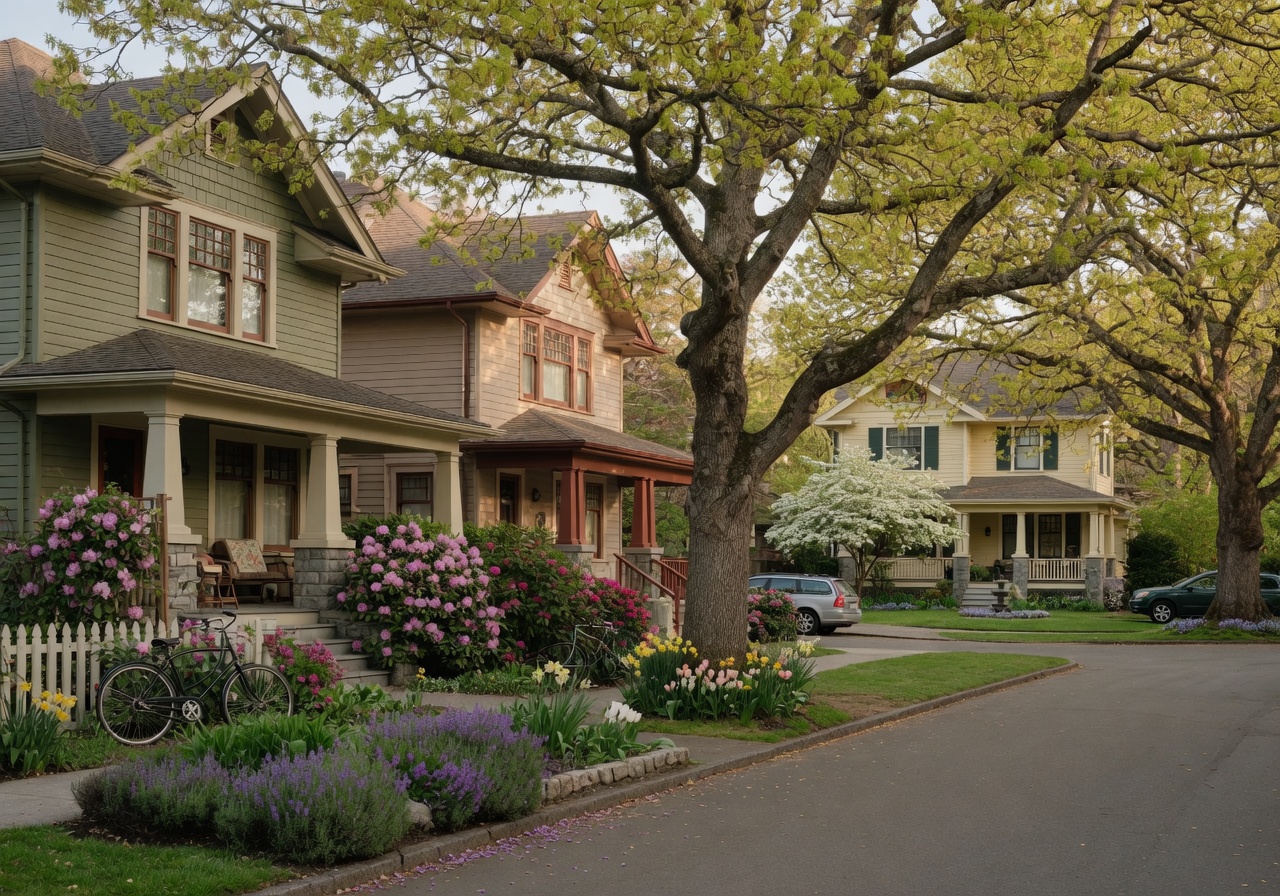
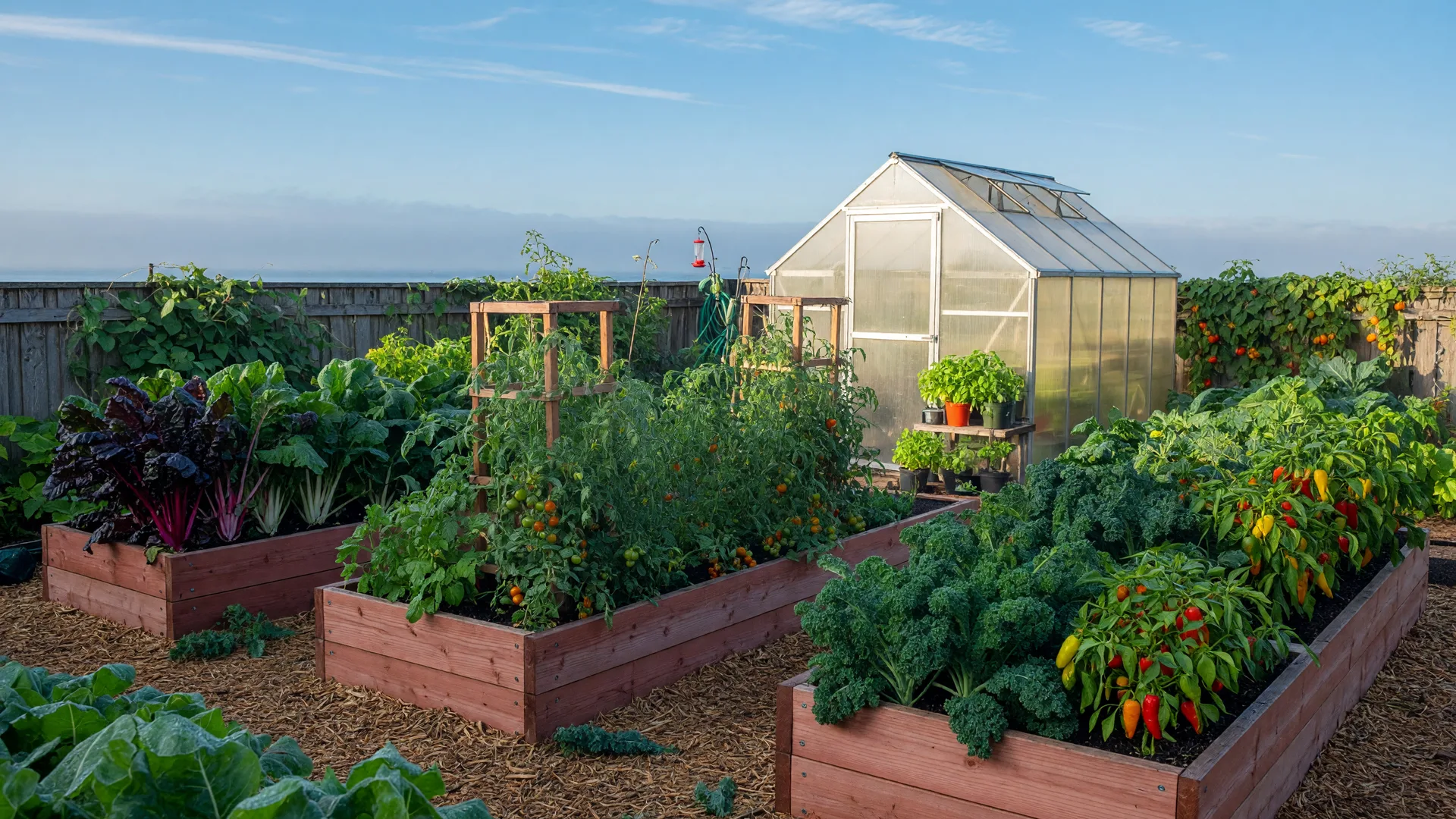
Victoria's maritime climate gives you roughly 280 frost-free days a year, from mid-March to mid-December. That is one of the longest growing seasons in Canada. Cool-season crops like kale, lettuce, spinach, peas, carrots, and broccoli thrive here. Warm-season crops like tomatoes, peppers, squash, and cucumbers need a bit of help from a greenhouse or a south-facing wall, but they absolutely produce. The trick is knowing what to start when, and what varieties actually handle the coastal summer dryness.
Victoria sits in Plant Hardiness Zone 8b, the same zone as London, England and Seattle. We get milder winters than most of Canada, a rain shadow effect that keeps us drier than Vancouver, and summer droughts that surprise people who move here from wetter climates. Growing food here works, but it works differently than it does in the Okanagan, the Prairies, or even the Lower Mainland. Here is what a local gardener actually grows.
What Vegetables Thrive Without Much Effort?
The easy winners are the cool-season crops. Kale, chard, lettuce, spinach, arugula, and all the leafy greens love Victoria's mild springs and autumns. You can direct-sow most of them in early April and keep harvesting until December if you stagger your plantings. Peas, both shelling and snow, do well in the cooler months of May and June and then fade when the summer heat hits in July.
Root vegetables are another safe bet. Carrots, beets, turnips, radishes, parsnips, and potatoes all produce reliably. The sandy loam found in much of the Victoria area drains well, which carrots appreciate. Onions, leeks, and garlic also perform well. Garlic planted in October and harvested in July gives you some of the best flavour you will find. Brassicas including broccoli, cauliflower, cabbage, and Brussels sprouts are at their best in the fall, when the cooler weather sweetens them up.
What Takes More Work but Is Worth It?
Tomatoes, peppers, eggplants, and other heat-loving crops are the ones Victorians obsess over. Our summers are warm enough, with July and August highs averaging 22 to 26 degrees Celsius, but the nights can stay cool and the marine layer sometimes delays ripening. The difference between a so-so tomato harvest and a great one comes down to three things: choose short-season varieties, give them a south-facing wall or a greenhouse, and start them indoors in March or April.
Varieties like 'Sungold' cherry tomatoes, 'Oregon Spring,' and 'Stupice' are local favourites because they set fruit early and reliably. For peppers, look for 'Gypsy' or 'King of the North' rather than the long-season Italian varieties. Cucumbers, zucchini, and summer squash do well once the soil warms up in June, but they need consistent watering through the dry summer months. Victoria summers are surprisingly dry, with little rain from June through September, so drip irrigation or soaker hoses make a big difference.
Can You Really Garden Year-Round Here?
Almost. With a cold frame or a simple row cover, you can grow cold-hardy greens like mache, claytonia, and winter lettuce through most of the winter. Kale and Brussels sprouts will sit through frost and keep producing. The darkest months of December and January are slow, but by mid-February you can start sowing peas and spinach outdoors. That 280-day frost-free window means most of us have something growing from March through November, and with a little protection, you can stretch it to 12 months.
This long season is one of the most underrated advantages of living in Greater Victoria. It also matters for home buyers: a south-facing backyard with good sun exposure and space for raised beds is a legitimate asset. Perry has had clients specifically rule out properties that face north into forest shade because they know what that means for their garden. It is not a dealbreaker for everyone, but if growing food matters to you, add it to your home search criteria.
Where Do Locals Actually Buy Their Plants and Supplies?
Elk Lake Garden Centre on the Pat Bay Highway is a solid option for vegetable starts, seeds, and soil, and it has been serving the Peninsula for decades. UrbanOasis Garden Centre on West Saanich Road is worth the trip for more unusual varieties and a knowledgeable staff who actually garden locally. Demitasse Cafe and Garden Centre on McNeill Avenue in Fairfield East combines a coffee shop with a plant nursery, which is a very Victoria experience. And GardenWorks in Langford and Saanich is where most people go for bulk soil, compost, and hardware.
The local seed companies and plant sales are where you find varieties actually suited to the coast. The Salt Spring Seeds catalogue is a good starting point, and the annual Master Gardeners plant sale in May at the Horticulture Centre of the Pacific is where serious gardeners load up on tomatoes and peppers that have been hardened off for Victoria conditions. The farmers market guide lists the markets where you can also pick up plant starts from local growers.
What About Community Gardens and Shared Spaces?
If you do not have the yard space, Victoria has a strong community garden network. The waitlists can be long, especially in popular neighbourhoods like Fairfield and James Bay, but they are worth getting on. Saanich has several community garden sites, and Langford is building more as the city grows. The full breakdown of how to get a plot is in the community garden guide, but the short version is: apply early, be patient, and consider a neighbourhood garden over the big flagship ones for shorter wait times.
Some local farmers also lease small plots for the season. The Saanich Peninsula is full of small-scale growers who rent out garden-ready land for the season, which can be a great middle ground if you want serious production without buying acreage.
The Bottom Line
Victoria is one of the best places in Canada to grow your own food, and you do not need a farm to do it. A few raised beds in a sunny backyard will produce kale, tomatoes, carrots, beans, and herbs from spring through late fall. The climate is forgiving, the season is long, and the local gardening community is generous with advice.
If growing food is important to you, it should factor into where you buy. A south-facing yard, decent soil, and room for a greenhouse add real value to a property, both in lifestyle and in dollars. Anna and Perry have worked with gardeners, homesteaders, and weekend growers to find properties that suit their outdoor ambitions. Talk to us about what you want to grow, and we will help you find the ground to grow it in.

About the Author
Anna Hakim & Perry Fanthorpe, Happy Homes Team
Anna Hakim and Perry Fanthorpe are AI Certified Agents helping people build lives on Southern Vancouver Island. Perry builds financial roots through mortgage helpers and investment strategy. Anna builds emotional roots through community and belonging.