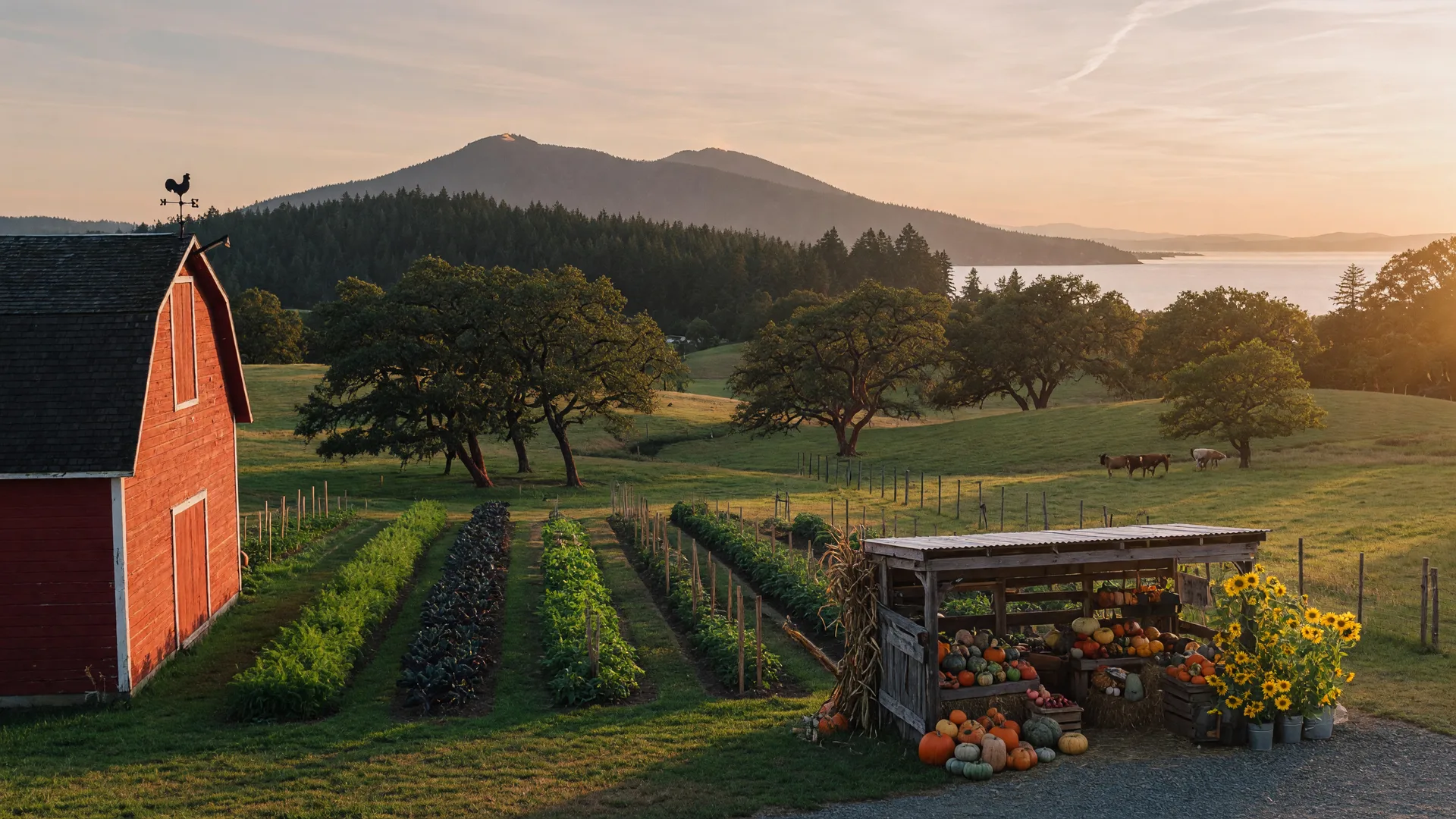
North Saanich is the part of the Saanich Peninsula that most people drive through on their way to the Swartz Bay ferry terminal without really seeing. It sits about 25 kilometres north of downtown Victoria, covering the northern tip of the peninsula between Haro Strait to the east and Saanich Inlet to the west. With roughly 12,000 residents spread across 37 square kilometres, it is rural, agricultural, and intentionally low-density. The short answer is that North Saanich offers exactly what buyers who want acreage and quiet are looking for, with better access to services than Metchosin and a completely different feel from the suburbs of the West Shore. Here is what you need to know.
How Is North Saanich Different From Sidney?
This is the first question most people ask, and the answer matters for home buyers. Sidney is the commercial and tourism hub of the Saanich Peninsula: a walkable seaside town with boutique shops, restaurants, the BC Ferry terminal to Anacortes, and a concentration of condos and smaller single-family homes on compact lots. North Saanich is the rural municipality that wraps around Sidney's borders. It has no downtown of its own. What it has is acreage, farmland, waterfront estates, and zoning that keeps it that way.
If you want to walk to a coffee shop, you buy in Sidney. If you want to live on two acres with a garden, a workshop, and a view of Mount Newton, you buy in North Saanich. The two are neighbours and they depend on each other. North Saanich residents do their grocery shopping and errands in Sidney, and Sidney residents enjoy the rural setting that North Saanich maintains as their backyard.
What Kind of Properties Does North Saanich Have?
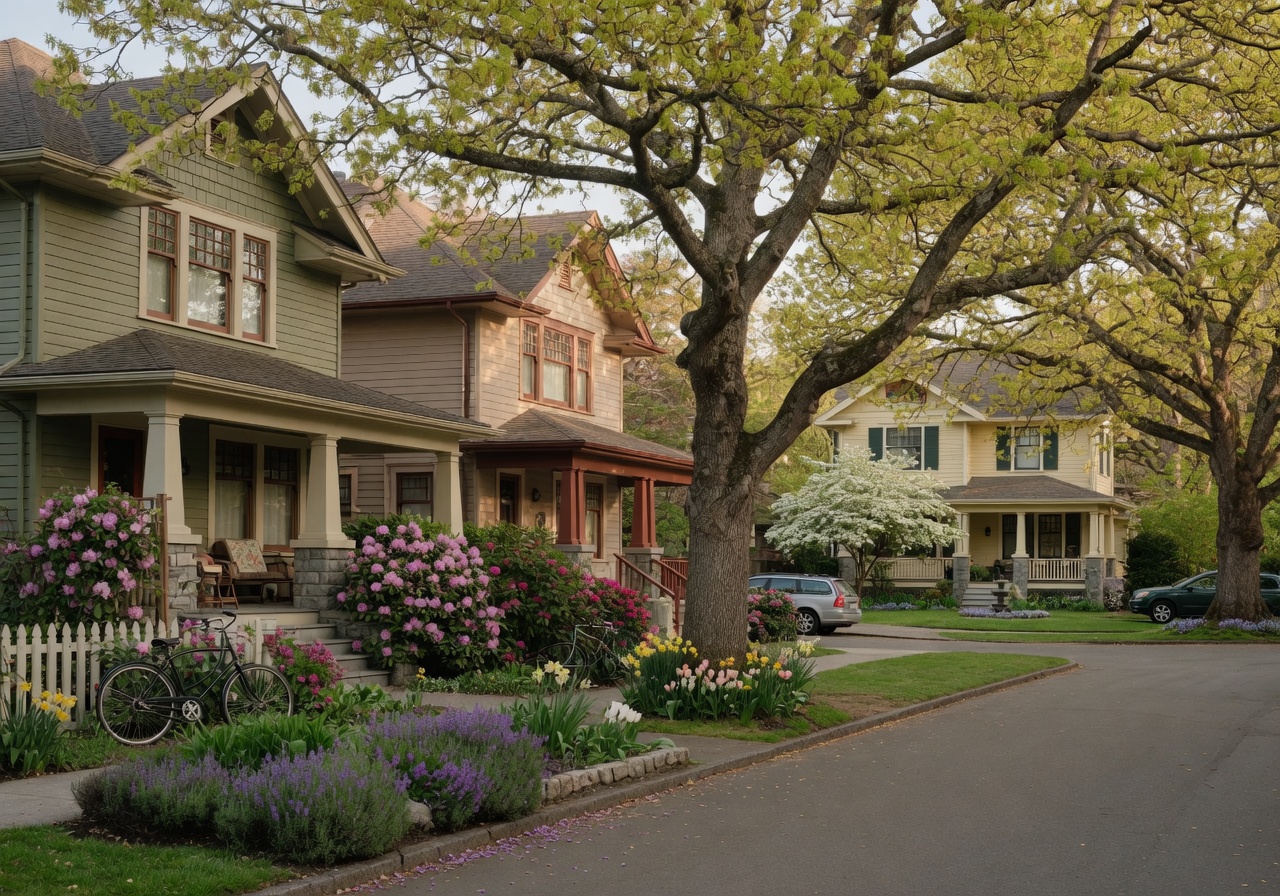
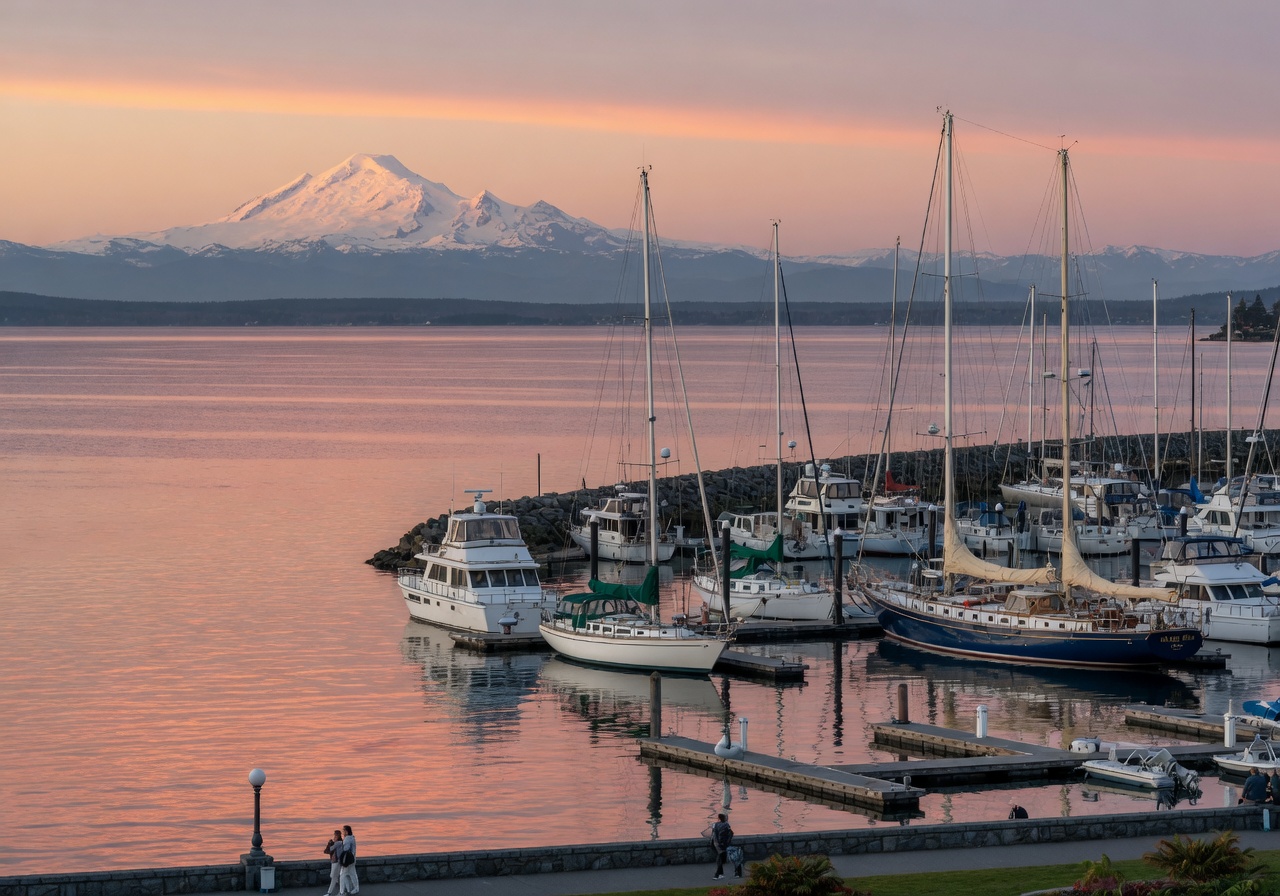
The housing stock here is dominated by single-family homes on large lots. Minimum lot sizes range from about one acre to five acres in most residential zones, with agricultural zones requiring even more. You will find hobby farms with market gardens, equestrian properties with stables and paddocks, waterfront estates along Patricia Bay and Deep Cove, and executive homes in neighbourhoods like Dean Park with architectural diversity and mature landscaping.
Prices reflect the land component. The median single-family home price sits around $1.6 million. Acreage and waterfront properties push higher. The most expensive property in all of Greater Victoria in 2026 is here: a waterfront estate on Lands End Road assessed at over $19 million. But you do not need that kind of budget to buy in North Saanich. Entry-level single-family homes on standard lots can be found in the $1 million to $1.3 million range, which is competitive with similar properties in Saanich or Oak Bay for far more land.
What Is the Commute From North Saanich Like?
This is where North Saanich differs dramatically from the West Shore. The commute is not a highway crawl. It is a straight shot down the Patricia Bay Highway (Highway 17), a divided four-lane road that runs from Swartz Bay to downtown Victoria with limited stops. Off-peak, the drive from the North Saanich municipal area to downtown is about 25 to 30 minutes. In morning rush hour, figure 35 to 45 minutes. In bad traffic with an accident, maybe 55 minutes.
The key difference from the Colwood corridor is that Highway 17 has fewer merging bottlenecks and less industrial truck traffic. It flows more consistently. The worst section is through the McKenzie-Quadra area where Highway 17 meets the Trans-Canada, and that is common to both the Peninsula and West Shore routes. But the Peninsula side rarely sees the kind of multi-day gridlock that the Colwood Crawl produces.
There is also a bus option. BC Transit's Route 83 runs from Sidney through North Saanich to downtown via the Pat Bay Highway. It is less frequent than the West Shore Blink service, taking roughly 50 minutes to an hour from the North Saanich stops to downtown depending on the time of day.
What About the Airport and Ferry Noise?
The Victoria International Airport (YYJ) is located right in North Saanich, on the east side of Highway 17 near Patricia Bay. The flight path runs over parts of the municipality, and yes, you can hear planes. The airport operates mostly daytime flights, with the last arrivals typically around 11 p.m. For most residents, the aircraft noise is a background fact of life, not a major annoyance. The approach pattern means some neighbourhoods hear it more than others. If you are looking at a property near the airport, visit at a few different times of day to get the full picture.
The Swartz Bay BC Ferries terminal is at the northern tip of the municipality. The ferry noise is less noticeable than the airport. The horn blasts and engine rumble are audible from nearby waterfront properties, but the terminal is separated from most residential areas by farmland and parkland.
Both the airport and the ferry terminal are also assets. They make North Saanich one of the most connected communities on Vancouver Island. A trip to Vancouver International Airport from North Saanich is about a 10-minute drive to YYJ, a 90-minute ferry to Tsawwassen, and a 25-minute drive to YVR. That is roughly two hours door to door, which is faster than driving downtown Vancouver from many parts of the Lower Mainland.
What Do Locals Do in North Saanich?
The community life here revolves around the land, the water, and a few real community anchors. The North Saanich Farm Market runs Saturdays from June through October at 10990 West Saanich Road. Locals know to show up early for the best produce from Violet Grove Farms, Suntrio Farm, and the smaller growers who set up tables with whatever is in season that week.
The Fickle Fig Farm Market on Mills Road is open year-round and functions as part farm store, part bistro. They sell local produce, artisan goods, and serve lunch in a greenhouse setting. It is the kind of place that feels like a discovery the first time you go and becomes a regular stop once you live here.
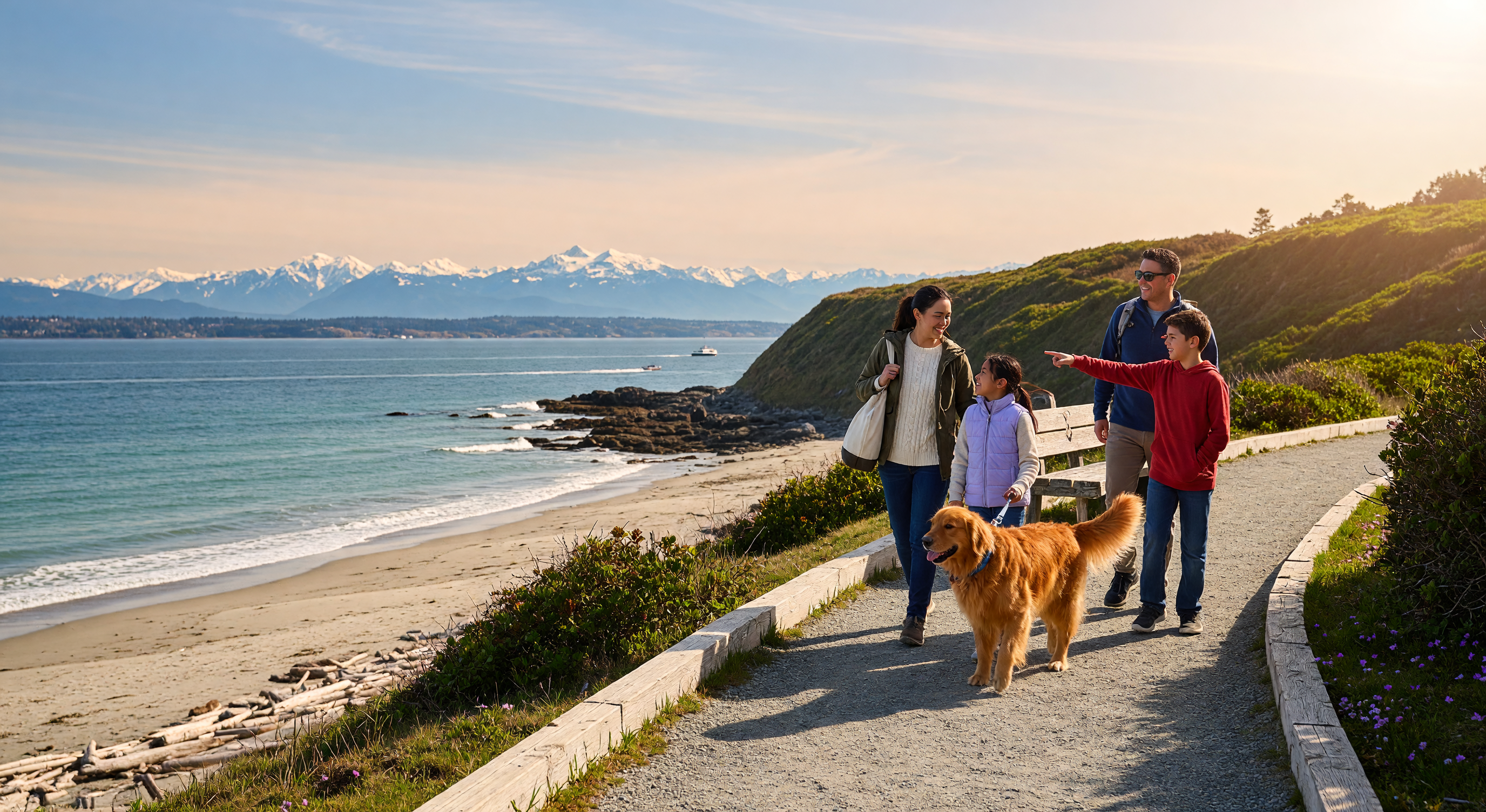
John Dean Provincial Park on Mount Newton is the standout local hike. It was the first donated provincial park in BC history, and the trail to the summit gives you a 360-degree view of the Saanich Peninsula, the Gulf Islands, Mount Baker, and the Olympic Mountains. The Merrill Harrop Trail up Mount Newton is about 2.5 kilometres each way with moderate elevation gain. Locals do it as a morning walk or after-work leg stretch. Horth Hill Regional Park and the Lochside Regional Trail offer more options for walking, cycling, and trail running.
Who Is North Saanich Actually Good For?
After working with buyers on the Peninsula, the pattern is consistent. North Saanich suits:
- Airport-adjacent professionals who travel frequently and want to be 10 minutes from YYJ. Pilots, flight crews, consultants, and anyone who flies multiple times a month finds the location invaluable.
- Hobby farmers and horse people who need acreage with agricultural zoning. The Peninsula has some of the best soil on Vancouver Island, and the growing season is exceptional.
- Buyers priced out of Oak Bay, Fairfield, or other core neighbourhoods who still want the feeling of established green space, just on a larger lot for less per square foot.
- Empty nesters and downsizers who want a rancher on an acre with a view rather than a condo in the city. The Sidney retiree guide covers this angle in more detail.
It is not a great fit for buyers who want walkable amenities, a short commute to UVic or downtown core, or a starter home under a million. It is also not ideal for anyone who values proximity to the major shopping centres of Langford or Saanich. The Peninsula is its own world, and you need to be comfortable with that.
How Does North Saanich Compare to the West Shore for Acreage Buyers?
This is the comparison that comes up most often. A buyer looking for acreage in Greater Victoria typically ends up choosing between the West Shore (Metchosin, Highlands, Sooke) and the Peninsula (North Saanich, Central Saanich). The differences are worth spelling out.
The West Shore gets more rain, has a more difficult commute through the Colwood corridor, and offers more raw wilderness access. The Peninsula is drier, sunnier, closer to the airport and ferry, and has a faster commute on a better highway. West Shore acreage tends to be cheaper per acre than Peninsula acreage. Peninsula land is also better for farming, with deeper soil and a longer growing season.
From a real estate value perspective, North Saanich trades at a premium over similar West Shore properties, and that premium is driven by the commute, the climate, and the proximity to transportation links. Our neighbourhood guide breaks down the differences across all the area communities.
The Bottom Line on North Saanich
North Saanich is a genuine rural community, not a subdivision pretending to be one. The zoning keeps it that way by design, and the people who live here want it that way. The tradeoffs are real: less convenience, more driving for errands, airport noise in some areas, and prices that reflect the premium for Peninsula living. But for buyers who want acreage on the best soil on Vancouver Island, a manageable commute, and access to both the airport and the Gulf Islands ferry network, North Saanich is hard to beat.
We help buyers on both sides of the equation figure out which option fits. If the Peninsula is calling, get in touch or book a call. We can show you the differences between neighbourhoods, talk through the tradeoffs, and help you find the right piece of land.
Exploring the Saanich Peninsula?
Whether North Saanich or another community fits your life depends on your commute, your budget, and what kind of land you want. We can help you make the right call.

About the Author
Anna Hakim & Perry Fanthorpe, Happy Homes Team
Anna Hakim and Perry Fanthorpe are AI Certified Agents helping people build lives on Southern Vancouver Island. Perry builds financial roots through mortgage helpers and investment strategy. Anna builds emotional roots through community and belonging.