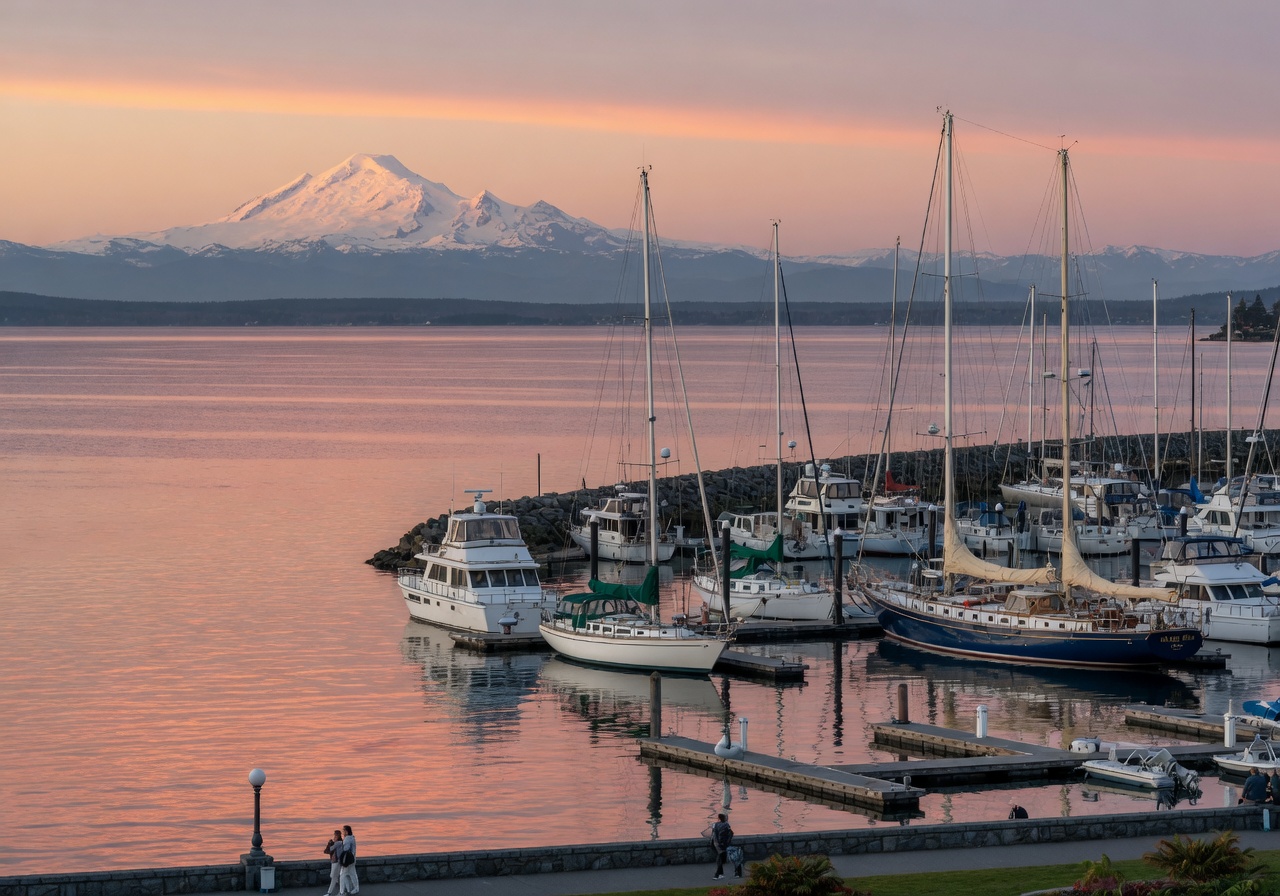
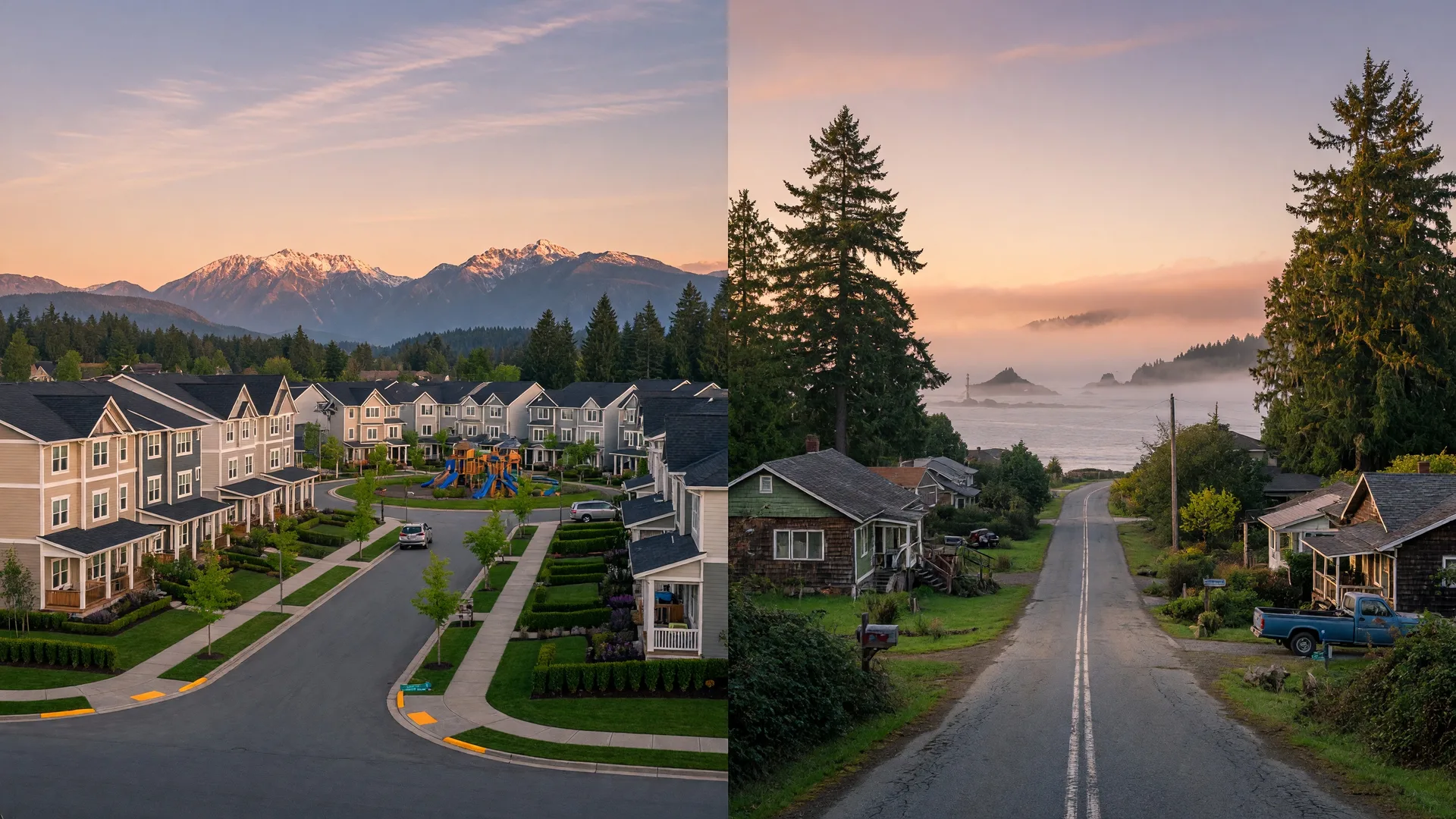
Langford offers faster appreciation, newer housing stock, and a 25-minute commute to downtown Victoria, making it ideal for young families and commuters. Sooke provides more affordable entry prices, a small-town coastal feel, and stunning ocean views – better suited for retirees and remote workers who value lifestyle over commute time.
If you're looking to buy in Greater Victoria and your budget has landed you outside the core, two names keep coming up: Langford and Sooke. They're the most common "next best" options for first-time buyers, growing families, and people relocating from the mainland – and they couldn't be more different. Langford is a rapidly growing suburban city with modern builds and shopping centres. Sooke is a quiet coastal town where the mountains meet the ocean. Both are popular. Both have real trade-offs. This guide breaks down the differences honestly so you can figure out which one actually fits your life.
How Do the Commutes Compare?
Commute time is usually the first thing people ask about, and it's the factor that most often makes the decision for them.
Langford to downtown Victoria: 20 minutes with no traffic, 30 to 40 minutes during peak hours (7 to 9 a.m. eastbound, 3:30 to 6 p.m. westbound). The Trans-Canada Highway is the main route, though Veterans Memorial Parkway through the Westshore offers an alternative when the highway backs up. BC Transit runs regular bus service from the Westshore Exchange to downtown, and it's well-used by commuters.
Sooke to downtown Victoria: 45 to 60 minutes in normal conditions, 60 to 75 minutes during rush hour. The drive follows Sooke Road through Metchosin to the Westshore, then onto the Trans-Canada or through Langford into the core. There's no bypass that saves meaningful time. BC Transit Route 61 connects Sooke to downtown, but frequency is limited – often every 2 to 3 hours – which makes it impractical for most daily commutes.
The practical difference is significant. Langford's commute is manageable for five-day-a-week commuters. Sooke's commute is a real lifestyle commitment, and the people who thrive there are typically the ones who work from home, work locally, or have flexible schedules. If you're weighing the two, do this test: drive the Sooke commute at 8:15 a.m. on a Monday, then drive the Langford commute at the same time. The comparison is immediate and concrete.
What Does the Housing Stock Look Like?
The physical character of the two communities is one of the clearest differentiators.
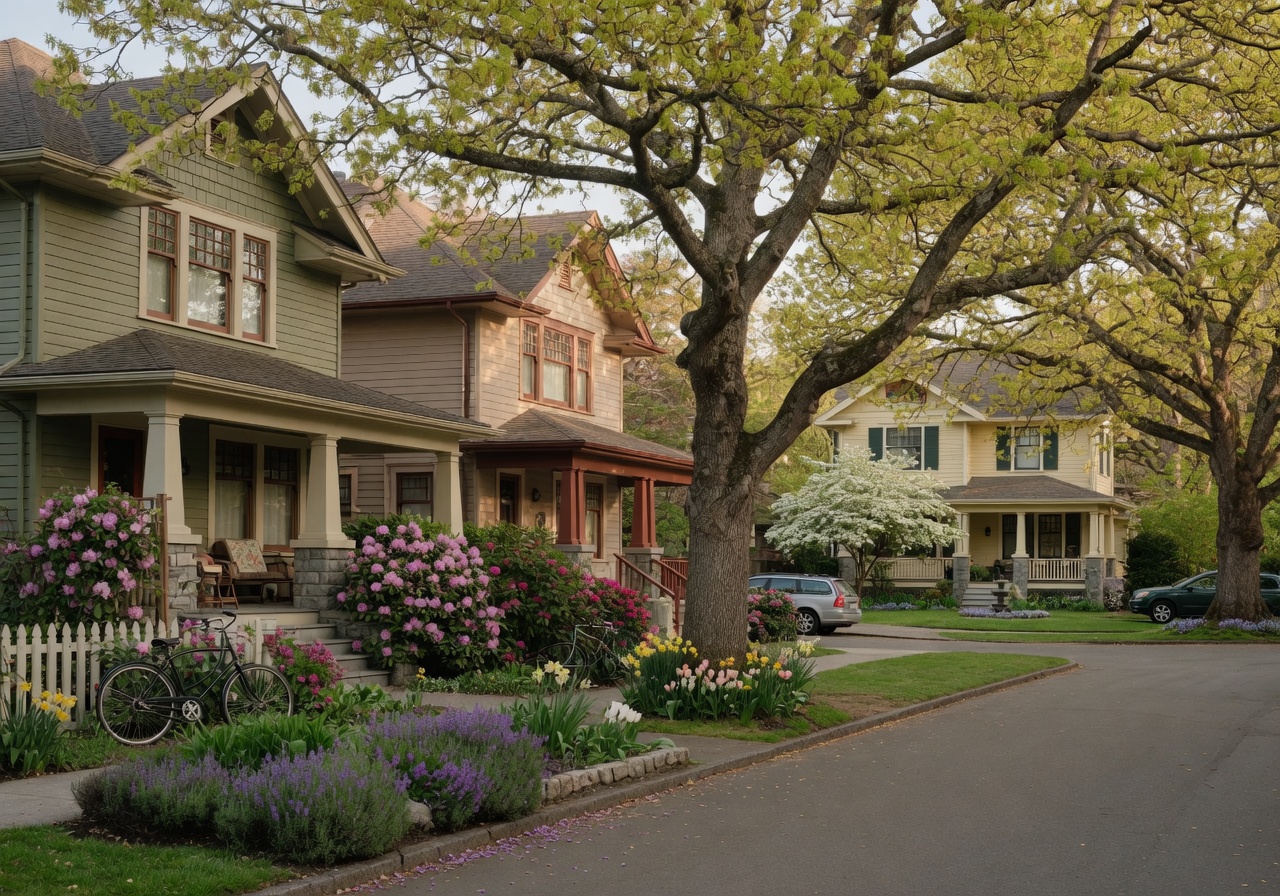
Langford is the fastest-growing city on Vancouver Island, and the housing reflects that. You'll find modern townhomes, single-family homes in master-planned subdivisions like Bear Mountain and Westhills, and new builds with mountain views, fenced yards, and legal mortgage helper suites. Many properties come with modern construction, open floor plans, and the kind of square footage that doesn't exist at the same price point in Victoria's older neighbourhoods. The lot sizes are generally smaller than Sooke's, but the homes are newer and designed for contemporary family living.
Sooke offers a different inventory entirely. The housing stock is older on average, with a mix of ranchers, character homes from the '80s and '90s, and newer subdivisions on the town's periphery. The real draw for many buyers is lot size and land use – Sooke properties often come with generous acreage, space for a workshop, room for a garden, or potential for a mortgage helper suite. Waterfront properties exist in Sooke at prices that would be unthinkable closer to Victoria. If space and land matter more to you than a new kitchen, Sooke delivers more per dollar.
How Do Prices Compare?
Both communities offer lower entry points than Victoria proper, but there's a clear price gap between them. Here's a general snapshot for 2026:
| Property Type | Langford | Sooke |
|---|---|---|
| Detached Home (Average) | $890,000 – $950,000 | $880,000 – $900,000 |
| Townhome | $550,000 – $700,000 | $480,000 – $600,000 |
| Condo | $400,000 – $500,000 | $350,000 – $450,000 |
| Lot Size (Typical) | 4,000 – 7,000 sq ft | 7,000 – 20,000+ sq ft |
The headline: detached home prices are closer than you'd expect, but the value proposition differs. Langford gives you a newer build on a standard lot. Sooke gives you an older home on a larger lot – or, at the higher end, waterfront acreage that simply doesn't exist in Langford. For a deeper dive into regional pricing across all communities, our cost of living guide breaks down the full financial picture.
Lifestyle: What Does Day-to-Day Life Actually Feel Like?
This is where the two communities feel like completely different worlds.
Langford has grown into a self-contained suburban city. Westshore Town Centre and Millstream Village cover most daily errands – grocery stores, restaurants, banks, retail, and services. The dining scene has expanded steadily. Bear Mountain Resort offers golf and resort-style amenities. Goldstream Provincial Park sits right at the city's doorstep with old-growth forest, a legendary salmon run every fall, and trails up Mount Finlayson and Mount Wells. Langford Lake has a swimming beach and a perimeter walking trail. Hartland Mountain Bike Park is one of the best in British Columbia. You get the suburban amenities checklist without having to drive into Victoria for everyday needs.
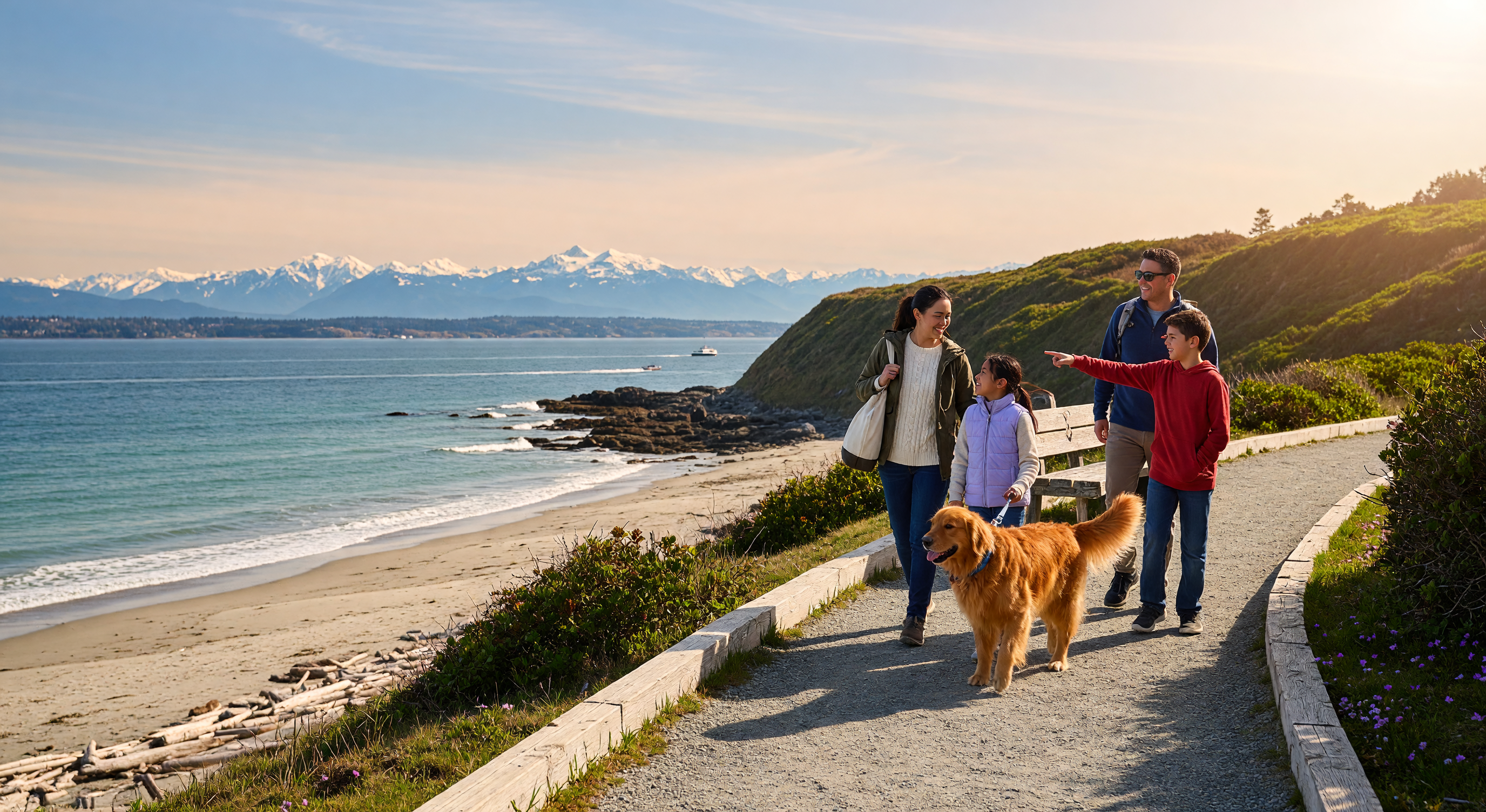
Sooke is quieter, more rural, and more nature-forward. The village core along Sooke Road has local restaurants, a grocery store, coffee shops, and small businesses where the owner knows your name. There's a swimming pool, arena, skate park, and community programs – but the restaurant and retail options are limited compared to Langford. What Sooke has is outdoor access that's hard to match anywhere in the Capital Regional District. Sooke Potholes Regional Park offers summer swimming holes carved into the Sooke River. East Sooke Regional Park delivers rugged coastal trails with ocean views. Whiffin Spit is a flat, easy walk to the lighthouse at the mouth of Sooke Harbour, where you might see seals, eagles, and the occasional whale. The beaches toward Sombrio and French Beach are some of the most dramatic on southern Vancouver Island. If you surf, kayak, fish, or paddleboard, year-round water access is right outside your door.
What About Schools and Families?
Both communities fall within School District 62, which covers the Westshore and Sooke. Both have solid options, but the feel is different.
Langford has multiple elementary schools and Belmont Secondary, which serves the broader Westshore area. The district has expanded to keep pace with rapid population growth, and new schools have been added in recent years. There are also several daycare and early learning programs. Families who choose Langford for the housing value have generally been satisfied with the school options, though we always recommend visiting schools directly and checking catchment boundaries before making a decision.
Sooke has five elementary schools, one middle school, and Edward Milme Community School for high school. The schools are smaller, the class sizes tend to be smaller, and the community feel extends into the school system. Parents who value that tight-knit environment often prefer it. For families considering either area, we'd suggest checking current school performance data and visiting the schools – every family's priorities are different.
For families with kids, Langford's newer subdivisions often come with playgrounds, community centres, and family-oriented amenities built into the neighbourhood design. Sooke's family lifestyle revolves more around outdoor activities – hiking, swimming at the Potholes, walks along Whiffin Spit – and the community organizations that keep the town connected.
Who Is Each Area Best For?
Langford works best for:
- Young families who want modern construction, a backyard, and suburban amenities within easy reach
- Five-day-a-week commuters to downtown Victoria who need the shortest possible drive
- First-time buyers who want to enter the market at a lower price point with room to grow
- Investors looking for newer properties with legal mortgage helper suites in a growing municipality
- People who value retail and dining access without needing to drive into Victoria proper
Sooke works best for:
- Nature lovers and outdoor enthusiasts who want trails, ocean access, and wild spaces as part of daily life
- Remote workers and freelancers who don't need to commute and value environment over convenience
- Retirees and downsizers who want a quieter pace, smaller-town feel, and more land for less money
- People who want waterfront or acreage at prices that would be impossible closer to the city
- Investors who see long-term upside in a community that's still affordable and hasn't peaked
For a detailed comparison of Victoria's other suburbs, our Saanich vs Langford vs Oak Bay guide breaks down how Langford stacks up against closer-in neighbourhoods. And if you're wondering about other communities, our Langford neighbourhood guide and deep dive on Sooke cover each area in full detail.
The Honest Trade-Offs
No comparison article is complete without being straight about what each area costs you beyond the purchase price.
Sooke's commute can be draining. Two hours a day in the car adds up – not just in fuel, but in time you'll never get back. If you're commuting five days a week to downtown Victoria, be honest with yourself about if the housing savings are worth the time cost. The people who love Sooke are the ones who've structured their lives to minimize or eliminate the commute.
Sooke's amenities are still catching up. There's no movie theatre. The restaurant and nightlife options are limited. Healthcare access is more specialized toward Victoria. For a specific restaurant on a Tuesday night, you might be driving to Langford or Victoria. The town is growing, and new developments are bringing more residents, which means more services will follow – but "will follow" isn't the same as "is here now."
Langford is losing its rural feel. The rapid growth that makes Langford attractive is also changing its character. Construction is ongoing in many areas, property taxes tend to be higher than in Victoria or Saanich, and the older West Coast charm that once defined the Westshore is giving way to subdivisions and retail corridors. If you fell in love with Langford five years ago, visit again – the community you remember is evolving fast.
Langford's highway commute during peak hours is real. It's shorter than Sooke's, but it's the most common complaint from Langford residents. Locals learn to work around it, but it's not frictionless.
Both communities offer real value compared to Victoria proper, but neither is a free lunch. The question is which trade-off you can live with.
So Which One Should You Choose?
There's no universally correct answer – and anyone who tells you there is probably hasn't spent enough time in both communities. What we can tell you from years of helping buyers navigate this exact decision is that the right choice depends on how you actually live, not what looks good on paper.
If your daily life revolves around commuting to Victoria, accessing suburban amenities, and getting into the market at an accessible price point, Langford is probably your better fit. If you work from home, crave outdoor access, want more land for your money, and prefer a quieter pace of life, Sooke is worth the trade-off.
The best thing you can do is visit both – not just on a sunny Saturday, but during the commute window, on a rainy Tuesday, when the grocery run matters more than the scenic drive. Walk the village cores. Drive the routes. See what daily life actually feels like outside the postcard version.
When you're ready to narrow it down, the Happy Homes Team can help. We know both communities deeply – from the zoning rules to the neighbourhood quirks to the schools and the commute patterns. Anna will help you find the lifestyle fit; Perry will run the numbers on mortgage helpers and investment potential. Together, we'll make sure you choose the community that actually works for your life, not just your spreadsheet.

About the Author
Anna Hakim & Perry Fanthorpe, Happy Homes Team
Anna Hakim and Perry Fanthorpe are AI Certified Agents helping people build lives on Southern Vancouver Island. Perry builds financial roots through mortgage helpers and investment strategy. Anna builds emotional roots through community and belonging.