

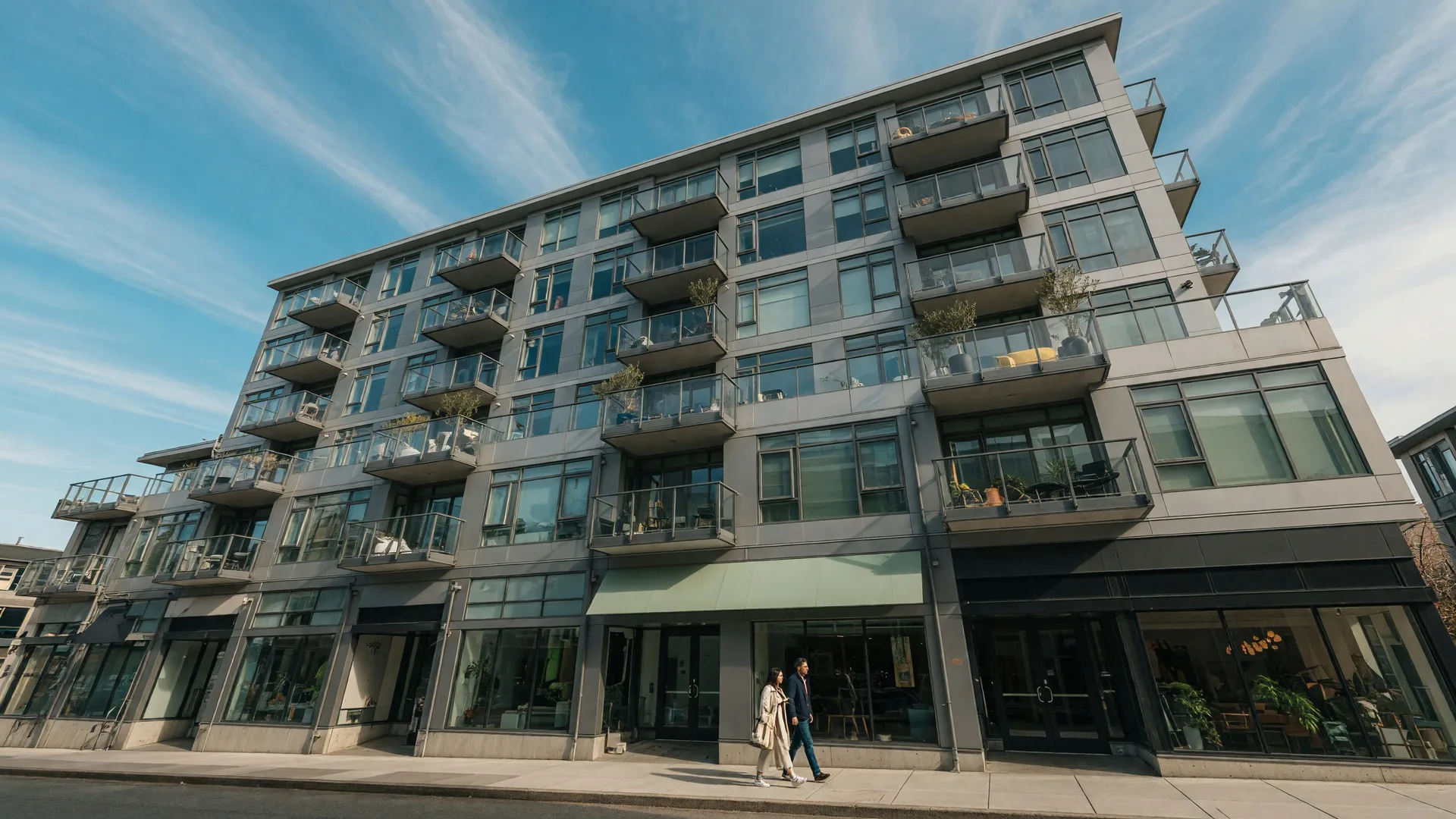
Strata fees in Victoria typically run between $250 and $550 per month for a one- or two-bedroom condo, and they cover your building's operating costs (insurance, water, garbage, landscaping, common area maintenance) and contributions to the contingency reserve fund for future repairs. The real question is not whether the fee is high or low, but whether the building has been managing its money properly. A low fee on a poorly maintained building is a much bigger risk than a high fee on a well-run one.
Every condo buyer in Victoria asks the same question: "Are these strata fees reasonable?" And the honest answer is that the number on the monthly fee tells you less than you think. The real story is in what the fee covers, how well the building is maintained, and whether the strata corporation has been saving enough for the big expenses that come every few decades. A $350 monthly fee on a 25-year-old building with a well-funded contingency reserve is a better deal than a $250 fee on a 40-year-old building that has been kicking the can down the road.
What Do Strata Fees Actually Cover?
Under BC's Strata Property Act, every strata corporation must maintain two separate funds. The operating fund covers recurring expenses that happen at least once a year: building insurance, water, garbage and recycling pickup, landscaping, common area cleaning and maintenance, elevator maintenance, property management fees, and utilities for shared spaces like hallways, lobbies, and parking garages. The contingency reserve fund (CRF) covers major expenses that happen less than once a year: roof replacement, building envelope repairs, boiler or HVAC replacement, window replacements, parking lot resurfacing, and other capital projects.
Your monthly fee is split between these two funds. The split is set by the strata council and approved by the owners at the annual general meeting. The operating fund portion covers the predictable monthly costs. The CRF portion is the building's savings account for future repairs. A healthy CRF is usually around 10 to 25 percent of the total annual operating budget, though the exact number depends on the age and condition of the building.
How Much Are Strata Fees in Victoria Right Now?
For a typical one-bedroom condo in Greater Victoria, expect fees between $300 and $450 per month. Two-bedroom units run from $400 to $550, sometimes higher if the building has significant amenities like an elevator, concierge, pool, or gym. Townhouse fees are usually lower, often $250 to $400 per month, because townhouse complexes typically have fewer shared systems and amenities. On a per-square-foot basis, Victoria strata fees range from about $0.30 to $0.75 per square foot per month, with older buildings generally at the higher end of the range.
These numbers are not static. Strata fees tend to increase by 3 to 8 percent annually, driven by rising insurance costs, utility rates, and labour costs for maintenance and repairs. BC's condo insurance market has been volatile in recent years, and that has pushed up the insurance portion of the fee for many buildings. If you are budgeting for a condo purchase, factor in annual fee increases of at least 5 percent to be safe.
Typical Strata Fees in Victoria BC (2026)
| Unit Type | Monthly Fee Range | Typical Inclusions |
|---|---|---|
| 1-bedroom condo | $300 -- $450 | Insurance, water, garbage, common areas |
| 2-bedroom condo | $400 -- $550 | Insurance, water, garbage, common areas |
| Townhouse | $250 -- $400 | Insurance, landscaping, garbage, common areas |
| Luxury building with amenities | $500 -- $800+ | All above plus concierge, gym, pool, elevator |
Ranges are approximate and vary by building age, location, and amenity level. Always verify the actual fee for the specific unit you are considering.
How Are Strata Fees Calculated?
Each strata corporation sets an annual budget at the annual general meeting. The budget covers both the operating fund and the contingency reserve fund contribution. Your individual fee is then calculated based on your unit entitlement, which is usually proportional to your unit's square footage relative to the total square footage of all units in the strata. Larger units pay more. The formula is simple: (annual operating budget plus annual CRF contribution) times (your unit entitlement divided by total unit entitlement) divided by 12 equals your monthly fee.
What this means in practice is that identical units in the same building pay the same fee. A penthouse with more square footage pays more than a one-bedroom on the ground floor. The budget itself is voted on by the owners, so the strata council has a direct say in how much the fees go up each year. If a building is well managed and the owners are engaged, the fees will reflect the actual cost of running the building. If the owners vote down reasonable fee increases year after year, the building ends up with a poorly funded contingency reserve and a much bigger problem down the road.
What Is a Special Levy and When Does It Happen?
A special levy is a one-time payment that the strata corporation can charge owners when an unexpected major expense exceeds what is in the contingency reserve fund. This is the scenario every condo buyer should understand and plan for. If the building needs a new roof and the CRF only has half the money, the strata can levy each owner for their share of the shortfall. A special levy for a major project like a building envelope repair can run $20,000 to $50,000 per unit, sometimes more. You cannot finance a special levy through your mortgage, it is a cash payment you have to make.
The best protection against a special levy is a thorough review of the strata documents before you buy. The depreciation report tells you what major repairs the building will need in the next 5, 10, and 30 years, and whether the CRF is adequately funded to cover them. The strata meeting minutes reveal whether the council has been proactive about maintenance or has been deferring problems. A well-run building with a healthy CRF and a recent depreciation report is a much safer bet than one with a low fee and a history of deferring maintenance.
What Should Buyers Look For in the Strata Documents?
If you are buying a condo or townhouse in Victoria, your realtor should help you review the strata documents. Here is what to focus on:
- The depreciation report. This is the single most important document. It tells you what the building needs to repair or replace, when, and how much it will cost. If the report is more than three years old, the building may be overdue for an update.
- The contingency reserve fund balance. Compare the CRF balance to the projected costs in the depreciation report. A healthy CRF should be building toward the anticipated expenses, not just sitting at the minimum.
- The meeting minutes for the past year. Look for discussions about special levies, insurance claims, and disputes. A strata that is fighting about pet rules or parking is one thing. A strata that is arguing about whether to fix the leaky roof is a red flag.
- The insurance policy and claim history. Rising insurance costs are a major factor in fee increases. A building with multiple recent claims may face higher premiums and larger deductibles, which can flow through to owners.
- The fee increase history. Has the strata been raising fees consistently by small amounts, or keeping them flat for years and then hitting owners with a large jump? Consistent small increases are a sign of responsible management.
Are High Strata Fees Always a Bad Thing?
No. In fact, I would rather see a building with higher fees and a well-funded CRF than a building with low fees and a history of deferring maintenance. A high fee on a building that is well maintained, has a strong reserve fund, and offers amenities that you actually use is a better investment than a low fee on a building that is falling apart. The fee is not the cost of owning the condo. The fee is the cost of running the building. If the building is run well, the fee is money well spent.
The real risk is the opposite: a low fee that looks attractive on paper but masks a building that is underfunded and overdue for major repairs. Some Victoria buildings, particularly older low-rise apartments from the 1970s and 1980s, have kept fees artificially low for years by deferring maintenance. When the roof, the windows, and the building envelope all need replacing at the same time, the special levy can be devastating. I have seen owners hit with six-figure special assessments. Do not let a low monthly fee lull you into a false sense of security.
Looking at a Condo? Let Us Review the Strata Docs With You
Perry and I have reviewed hundreds of strata document packages for clients. We know what to look for, what questions to ask, and when a building's numbers do not add up. If you are considering a condo or townhouse in Victoria, let us walk through the documents together before you make an offer. It is the kind of thing that separates a good investment from a costly mistake.
Book a consultationThe Bottom Line on Strata Fees in Victoria
Strata fees are not something to fear, but they are something to understand. The monthly number matters less than the story behind it. A building with a strong depreciation report, a healthy contingency reserve, and a history of consistent fee increases is a well-run building. A building with a low fee, an outdated depreciation report, and a CRF that barely covers the deductible is a ticking time bomb.
If you are a first-time buyer looking at condos in Victoria, take the time to read the documents. If you are a young professional stretching your budget to get into the market, factor in potential fee increases and special levies. And if you see a listing with fees that seem too low compared to similar buildings in the same neighbourhood, ask why. The answer might save you a lot of money and a lot of stress.