There is no big dedicated auction house on Vancouver Island, so the island's classic car market runs on a handful of real dealers, consignment platforms and classifieds. For a serious buyer or seller that is actually fine: the pool is deep enough across the island and into the Lower Mainland that the right car or the right buyer comes along reasonably often, you just have to know where to look. Here is the honest rundown of where islanders actually trade classics, and what to do about it once you find one.
Is There a Classic Car Dealer on Vancouver Island?
Yes, one dedicated collector-car trader stands out: Vancouver Island Classic Car Traders, run by Kelland Ventures at 2350 Delinea Place in Nanaimo, reachable at 250-585-1482. It is a proper classic and collector car dealership with a rotating collection of classic, rare and eclectic vehicles, and it is the closest thing the island has to a specialist showroom you can walk into and kick tires at. Cars from the island also show up at consignment and specialty shops across the province, but if you want a door to knock on this side of the water, Nanaimo is the place.
Beyond the bricks-and-mortar dealer, the island's market runs through consignment platforms and classifieds, which is where most private sales actually happen. There is no single island-only marketplace that everyone uses, so the honest advice is to watch several at once.
Where Do People List Classic Cars for Sale on the Island?
The Rod God is a West Coast classic car marketplace that carries consignment-style listings from Vancouver Island towns like Port McNeil and Duncan, covering hot rods, muscle cars, collector and vintage vehicles, and it lets sellers list directly. It is a niche-but-real part of the island trading scene that the national sites do not cover well.
For the wider sweep, Craigslist's Vancouver BC section is worth scanning because it includes Victoria and island postings, and the big national and international sites have British Columbia-specific searches, including ClassicCars.com's BC listings and Hemmings' Vancouver-area results. If you are buying, set saved searches on a few of these and check them weekly, because good island cars move fast. If you are selling, a good set of photos, an honest description and a realistic price on two or three of these at once is the standard play.
Do People Still Buy and Sell Classic Cars in Person?
All the time. The island's best classic car deals have a way of happening in person at a meet rather than through a listing, because the community is small and word moves fast. The weekly meets and the club network are where owners notice what is parked next to them and where cars change hands over a conversation and a coffee. The classic car club guide covers the clubs to plug into, and the Victoria car show season guide has the meets on the calendar.
If you are selling, showing up at a well-attended meet with a clean, running car is genuinely effective marketing, and it costs nothing. If you are buying, being a regular at the meets means you hear about cars before they ever get listed. That is the kind of local knowledge that a distant online ad will not give you.
What Should You Check Before You Buy?
Pay for an independent mechanical inspection by a shop that knows older vehicles before any money changes hands, ideally after you have seen it run cold and driven it yourself. Confirm the ownership and history paperwork is clean, especially for a car that has crossed the water, and verify the VIN against the ownership before you talk price. A bargain that needs an engine is only a bargain if you planned for it.
If collector plates are part of the plan, BC's rules are specific: the vehicle generally has to be at least 25 years old, it is for pleasure driving only, and you still need a separate everyday car. Do not take my summary as gospel on that one, because the rules and the paperwork change, so confirm the current requirements with ICBC directly before you commit, and our collector plates guide walks through how BC plates work.
How Does Buying a Classic Car Connect to Where You Live?
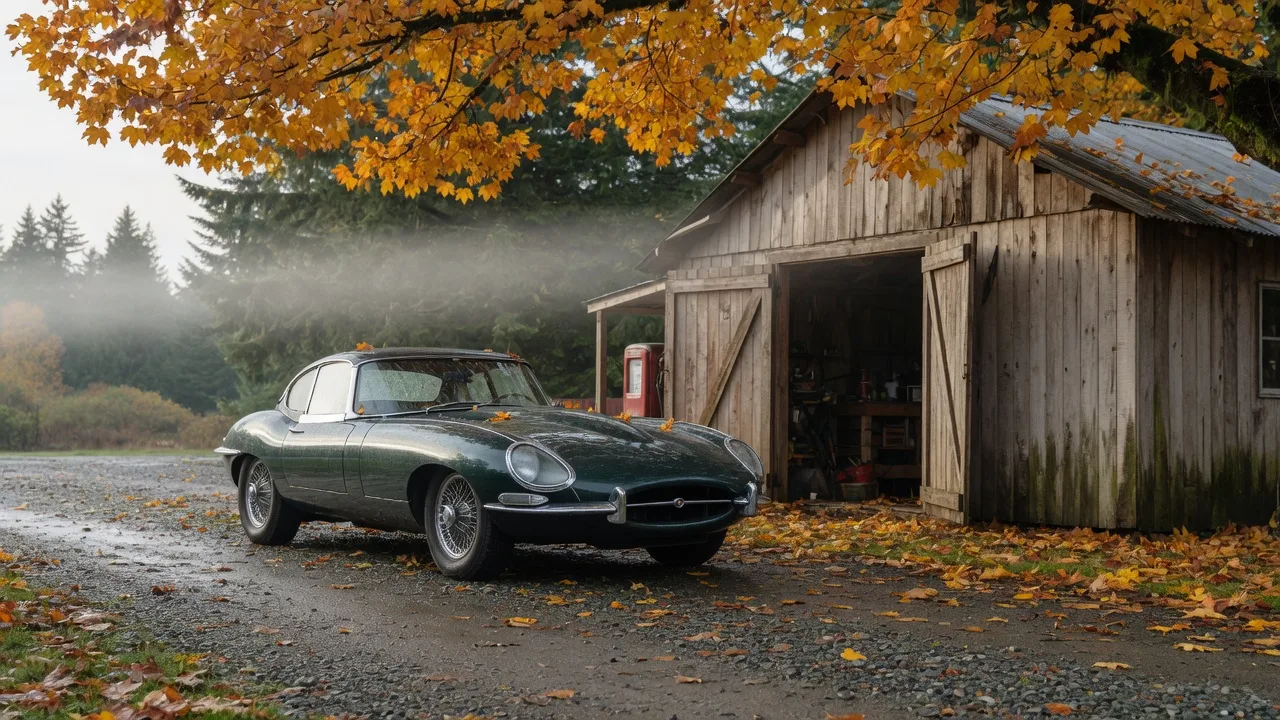
A classic car is as much a storage problem as it is a purchase. On Vancouver Island the damp is the enemy: a project car left outside develops rust and electrical gremlins faster than you would expect, and the mild rainy winters mean it never gets a dry season to save it. That is why the garage question tends to come before the car question, and why buyers who are serious about the hobby search for a home with a dry, powered garage or workshop rather than just a driveway.
Where you live decides how much hobby space you get. Acreage and the semi-rural municipalities give you room for a proper shop, while tighter subdivisions and some stratas put hard limits on what you can do outside. Our guide to homes for car enthusiasts covers exactly what to check on a viewing, from garage size to power to strata rules, and it is the piece we point every car-buying client at first.
Next Steps: Start Watching Listings and Come to a Meet
Set the saved searches, call the Nanaimo trader to see what is on the floor, and put the next local meet on your calendar. The combination of a real dealer, the consignment platforms and the in-person club network covers the whole island market, and between those three you will get a real sense of what cars are actually worth here instead of guessing from mainland listings.
When the car you want needs a home that fits it, reach out to the Happy Homes Team. We have helped more than a few buyers find the property with the shop space before the car, and it is usually the order that works. Anna can help you feel out the neighbourhood, and Perry can look at a garage, its wiring and its ceiling height like the renovation-minded local he is.

About the Author
Anna Hakim & Perry Fanthorpe, Happy Homes Team
Anna Hakim and Perry Fanthorpe are AI Certified Agents helping people build lives on Southern Vancouver Island. Perry builds financial roots through mortgage helpers and investment strategy. Anna builds emotional roots through community and belonging.