If you are moving to Victoria or just thinking about it, the BC Ferries route between Swartz Bay and Tsawwassen is the lifeline that connects Vancouver Island to the rest of the world. The short answer: the crossing takes about 1 hour and 35 minutes, a vehicle with driver and passengers costs roughly $70 to $100 each way depending on the season, foot passengers pay around $19 to $22, and you should always book a reservation for your vehicle during peak times or prepare to wait. The ferry is not the fastest or cheapest way to cross water, but it is reliable, it runs multiple times daily from early morning until late evening, and locals who know how to work the system treat it as a regular part of life rather than a major production.
How Often Do the Ferries Run?
The Swartz Bay to Tsawwassen route runs roughly every 1 to 2 hours depending on the time of day and season. First sailings typically depart around 6:00 AM from both terminals, and the last sailing leaves around 9:00 PM or later in summer months. In peak season (June through August) and around long weekends, BC Ferries adds extra sailings to handle the volume. The schedule changes seasonally, so always check the official BC Ferries schedule before you plan your trip.
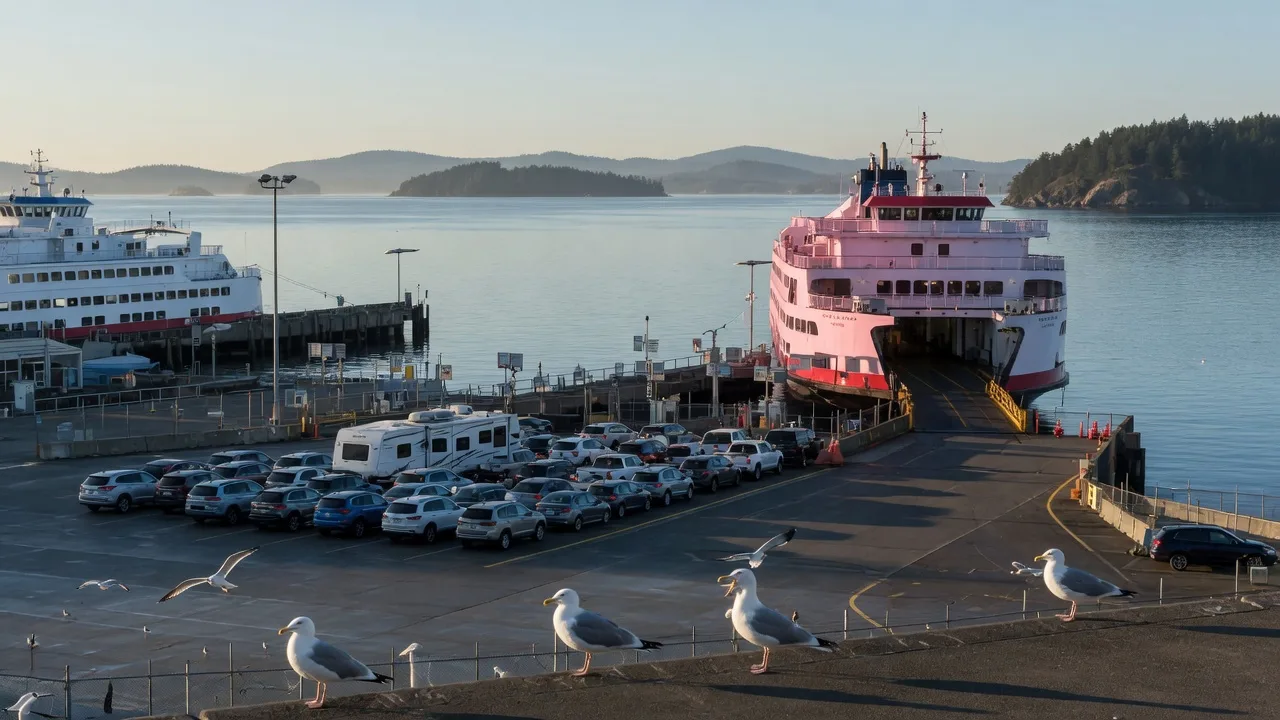
A common question from newcomers: can you just show up and go? On a random Tuesday morning in February, yes, you will probably roll straight on. On a Friday afternoon in July, you could be looking at a two-sailing wait if you did not book a reservation. The difference between those two scenarios is the difference between a relaxing start to your trip and sitting in the holding lot watching the same seagull for 90 minutes.
How Much Does the Ferry Cost?
Fares on the Swartz Bay to Tsawwassen route depend on vehicle size, number of passengers, and time of year. As of 2026, adult foot passenger fares run about $19 to $22 one way. A standard passenger vehicle (car or pickup truck) plus the driver runs roughly $60 to $80 each way, with each additional adult passenger adding $19 to $22. Seniors, students, and children get reduced fares. BC Ferries also offers prepaid experience cards and frequent traveller programs if you make the crossing regularly.
The reservation fee adds about $17 to $22 per vehicle booking, and it is worth every cent during peak travel times. Without a reservation, you are at the mercy of the standby line, which can mean waiting through one or two full sailings on busy weekends. Foot passengers do not need reservations. They buy a ticket at the terminal and walk onto the next available sailing.
When Should You Absolutely Book a Reservation?
You can book a vehicle reservation online through the BC Ferries website or mobile app up to three months in advance. Here is when you absolutely should:
- Friday afternoons westbound (Vancouver to Victoria) between 3:00 PM and 7:00 PM. Everyone leaving the city for the weekend is on that sailing.
- Sunday afternoons eastbound (Victoria to Vancouver) between 3:00 PM and 9:00 PM. The island exodus back to the mainland is real.
- Any long weekend in either direction. Victoria Day, Canada Day, BC Day, Labour Day, Thanksgiving, and the Christmas break are guaranteed chaos.
- Summer months (June through August) on any weekend crossing. The tourist season fills sailings like clockwork.
If you miss the boat on a reservation, literally, BC Ferries will roll your booking to the next available sailing at no charge if you call ahead. If you cancel more than 24 hours in advance, you get a full refund on the reservation fee. Less than 24 hours and you lose the booking fee but can still use the ticket value.
What Actually Happens on the Boat?
The 1 hour 35 minute crossing is not long enough to get bored but long enough to get comfortable. The big ferries on this route have two passenger decks with indoor seating, outdoor decks, a cafeteria, a coffee shop, and a gift shop. The food is ferry food: it costs more than it should, the coffee is drinkable but not memorable, and the fish and chips will do in a pinch. Locals who make the crossing regularly bring their own snacks and a reusable coffee mug.
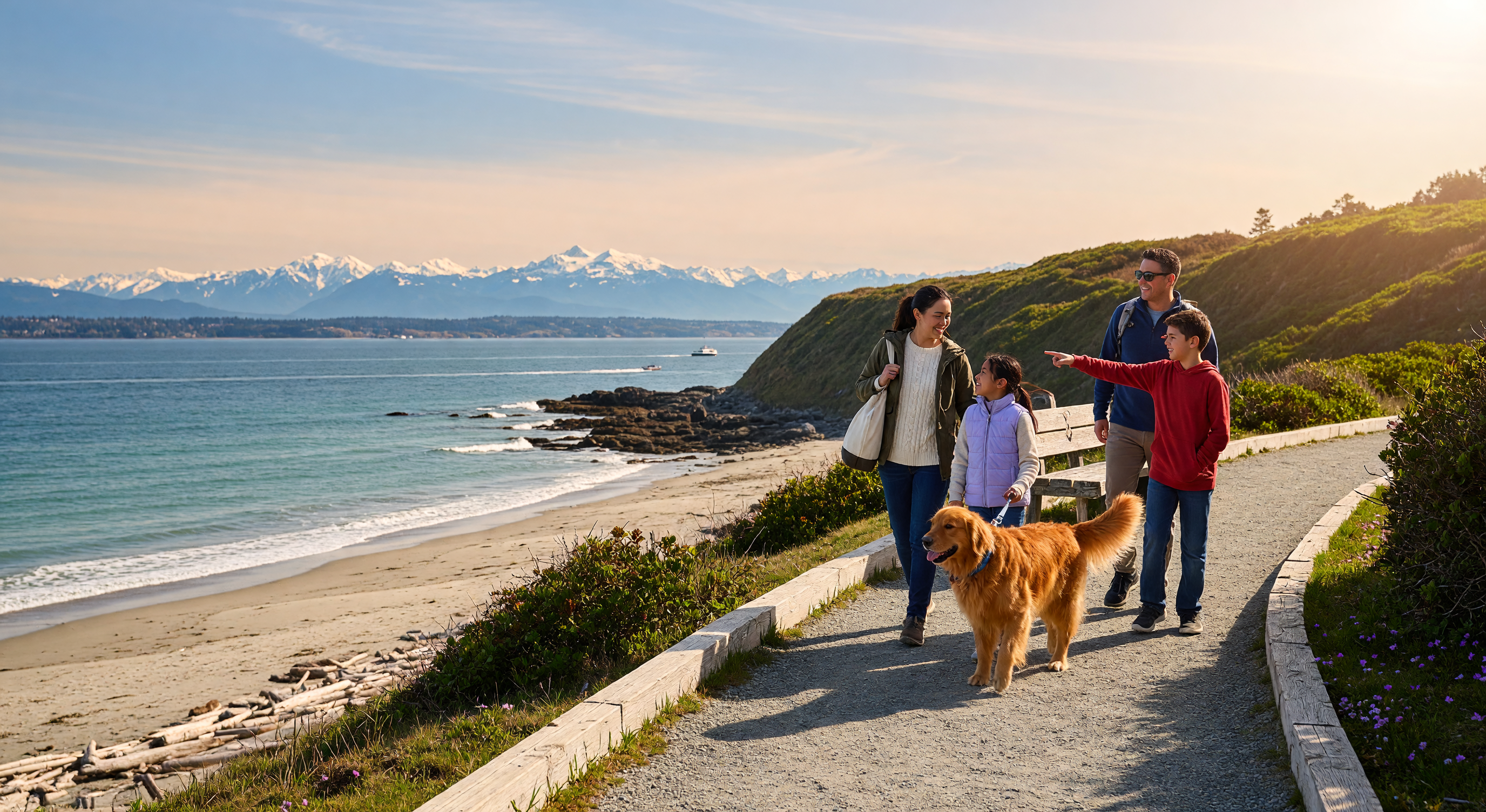
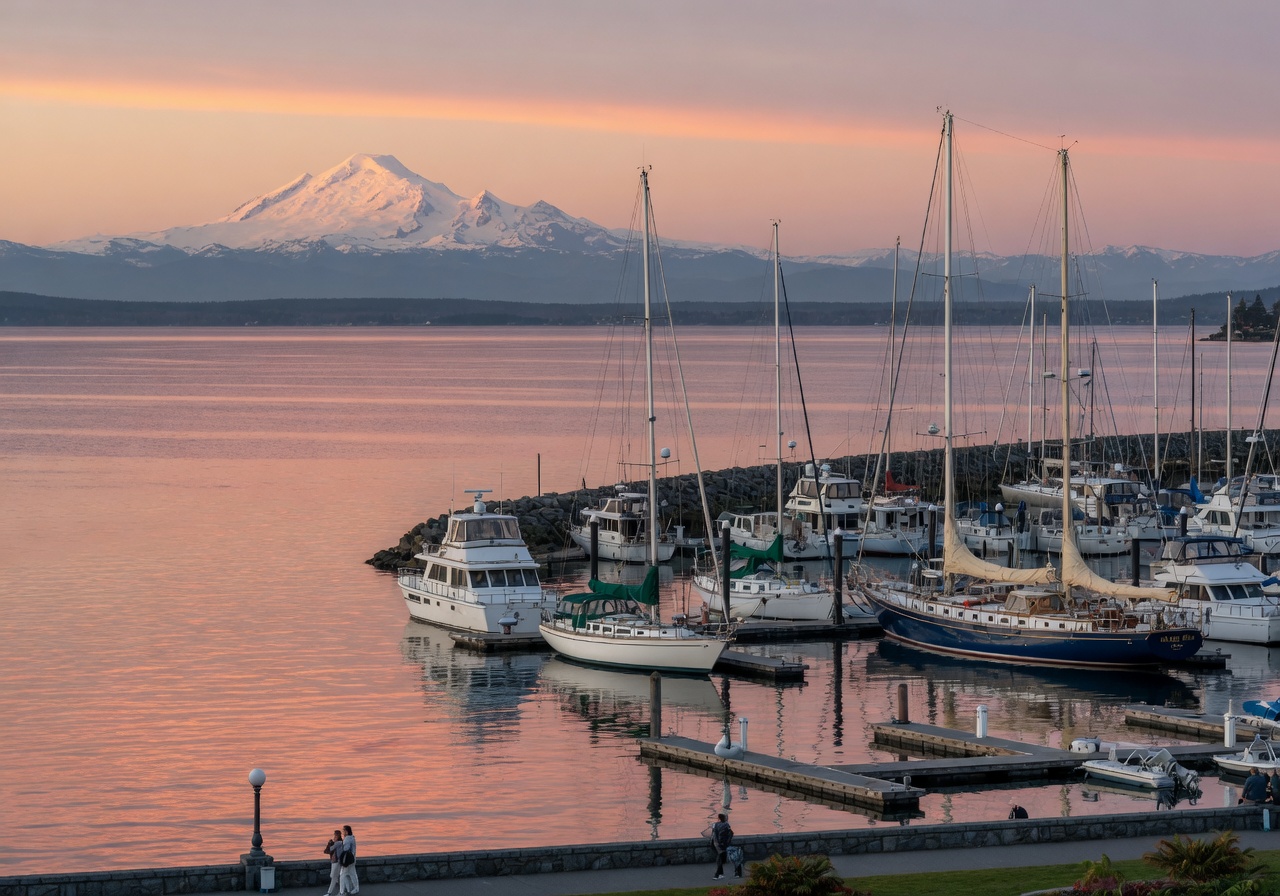
The outdoor decks are the best place to spend the crossing when the weather cooperates. The route through the Gulf Islands is one of the most scenic ferry rides in the world, with rocky islets, nodding seabirds, and the occasional seal or porpoise. On a clear day, the approach to Tsawwassen gives you a wide view of the Lower Mainland skyline and Mount Baker on the horizon. If you are driving, stay with your vehicle until the crew directs you up to the passenger decks. You cannot sleep in your car during the crossing.
The Wi-Fi on board works intermittently. Many locals use the crossing as a rare window of forced downtime: they read a book, catch up on podcasts, or just stare at the water and decompress. After enough trips, the 95-minute ferry ride shifts from being an obstacle to being a buffer between island pace and mainland pace. It becomes part of the mindset of living here.
Swartz Bay Terminal: What You Need to Know
The Swartz Bay terminal is about 30 minutes north of downtown Victoria on the Pat Bay Highway (Highway 17). It sits near the tip of the Saanich Peninsula, close to Sidney, North Saanich, and the peninsula farmlands. The terminal has a large parking lot for long-term parking if you are leaving your car on the island and traveling as a foot passenger. The lot fills up during summer and around holidays, so arriving early matters.
If you are dropping someone off or picking them up, there is a designated waiting area. Bus service from downtown Victoria runs regularly to Swartz Bay via BC Transit Route 70 and 72, and the scheduled times coordinate with the ferry sailings. Taxis and rideshares are available at the terminal but can be scarce during the busiest sailings. For anyone considering life without a car in Victoria, the bus connection to Swartz Bay makes foot passenger travel surprisingly practical.
Tsawwassen Terminal: Your Gateway to the Mainland
Tsawwassen is about a 30-minute drive south of Vancouver, just past the Massey Tunnel on Highway 17. The terminal has the same basic setup as Swartz Bay: parking, bus connections, and a small waiting area. From Tsawwassen, you can connect to TransLink bus routes into Vancouver and Richmond, or drive into the city via Highway 99. The drive from Tsawwassen to downtown Vancouver takes about 35 to 50 minutes depending on traffic, which means the total door-to-door time from Victoria to downtown Vancouver is roughly 3 hours if everything lines up.
The Tsawwassen Mills shopping centre is a 10-minute drive from the terminal, and locals who make the crossing regularly sometimes time their trip to stop there for shopping or grocery runs at the big-box stores that the island does not have. It is not glamorous, but if you are buying in bulk or need something from a specific chain store that has no Victoria location, it is a practical addition to the trip.
How Locals Actually Use the Ferry
After living here for a while, the ferry stops feeling like a big deal. Here is how locals tend to work it into their lives:
- Book the first sailing of the day. The 6:00 AM or 7:00 AM sailings are almost never full, and you arrive on the mainland before the traffic builds up.
- Travel midweek if you can. Tuesday through Thursday are the quietest days. The ferry is emptier, the terminal is calmer, and the whole experience takes half the stress.
- Get the BC Ferries app. It shows real-time sailing wait times, lets you book and manage reservations, and sends alerts about cancellations or schedule changes. This single app saves more frustration than any other travel tool on the island.
- Use the Experience Card. If you take the ferry more than a few times a year, the prepaid card saves money and speeds up boarding because you do not have to queue at the ticket booth.
- Build in a buffer. The ferry is reliable, but mechanical issues, weather, and marine traffic can cause delays. Locals who have meetings on the mainland usually aim for a sailing that gets them there at least an hour early.
What the Ferry Means for Living in Greater Victoria
How you feel about the ferry is a pretty good predictor of how you will feel about island life. If the thought of a 95-minute crossing plus a reservation strategy sounds exhausting, island living may not be for you. But if you see it as a manageable tradeoff for living in a place where the air is cleaner, the pace is slower, and the natural beauty is right outside your door, then the ferry is just part of the equation.
For homebuyers considering a move to Victoria, access to the ferry is an important factor, especially if you travel frequently or have family on the mainland. Neighbourhoods on the Saanich Peninsula (Sidney, North Saanich, Brentwood Bay) are closest to Swartz Bay, putting you 10 to 20 minutes from the terminal. Communities closer to downtown Victoria are a 30 to 40 minute drive. That commute time difference can matter if you cross the water regularly. Our neighbourhood guides include commute details for every area, and our relocation hub covers everything you need to plan the move, from healthcare registration to the best way to ship your vehicle.
If you are thinking about making the jump to island life, the ferry is part of the adventure. We have helped dozens of relocation buyers navigate that transition, and we would love to help you too. Book a call and we will start mapping out your move.
Planning a Move to the Island?
The Happy Homes Team specializes in helping relocation buyers find the right home and the right neighbourhood. We know the ferry commute, the schools, and the lifestyle, because we live it every day.

About the Author
Anna Hakim & Perry Fanthorpe, Happy Homes Team
Anna Hakim and Perry Fanthorpe are AI Certified Agents helping people build lives on Southern Vancouver Island. Anna builds emotional roots through community and belonging. Perry builds financial roots through smart property decisions.