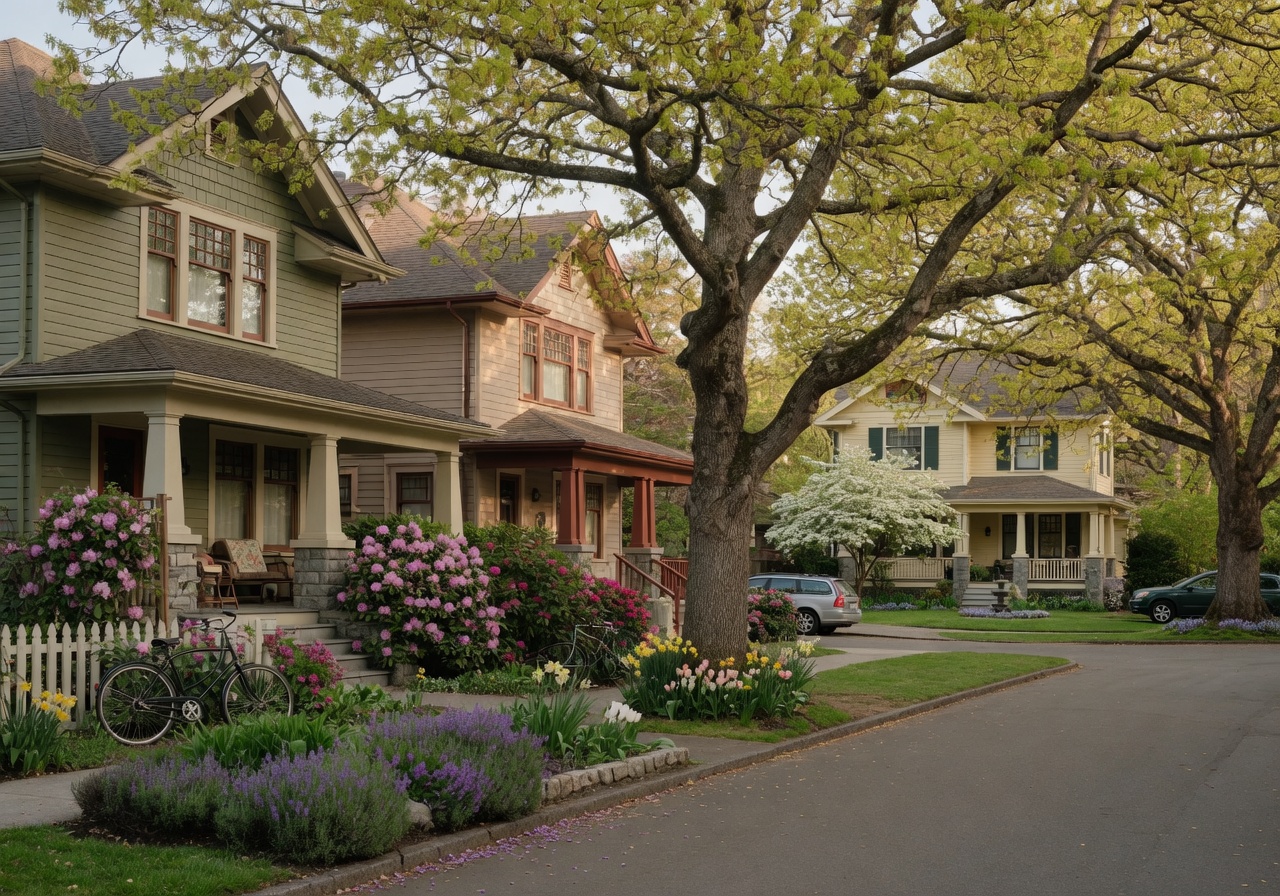

If you can commit to staying in Greater Victoria for five years or more, buying has usually made more sense than renting here, and in 2026 that is still a defensible answer for a lot of people. But this is also the first year in a while where renting gives you real negotiating room, so the honest response is: it depends on your timeline, your down payment, and what you can qualify for. Here is how I walk through the decision with buyers and renters, minus the pressure.
What does renting actually cost in Victoria right now?
The two numbers people cite are the average rent and the asking rent, and they differ a lot. CMHC's 2025 rental market report put the average purpose-built one-bedroom in the Victoria area around $1,624 a month and a two-bedroom around $2,121. New listings ask for more than that, roughly $2,000 for a one-bedroom and $2,700 for a two-bedroom on the listing sites, because long-term tenants are still paying lower rents from older leases.
Rents have been easing as new supply comes online, so these figures move. Treat them as a starting point, not a quote: the right number for you depends on the building, the neighbourhood, and whether parking and in-suite laundry are included.
Is it actually hard to find a rental these days?
More options, yes, but still competitive for the good ones. The same CMHC report showed vacancy near 3.3 percent, the highest the region has seen in more than two decades, and landlords are noticeably more willing to negotiate on a longer lease term. Pet-friendly buildings, places with parking, anything within a decent walk of a bus line into downtown: those still get applications fast, so give yourself a proper month of hunting and be ready to apply the day you view.
While you rent, your cost is capped by the province's annual rent increase limit, 2.3 percent for increases taking effect in 2026, down from 3 percent the year before. That cap keeps your running costs predictable, but it does not change the core fact: every payment builds your landlord's equity, not yours.
What does buying actually cost, and what do you get for it?
I am not going to quote benchmark prices in a blog post, because they move monthly and the right number for you depends on type, condition, and location. We publish the Victoria Real Estate Board's numbers every month on our market stats page, tied to what is actually selling. The honest 2026 headline there is a balanced market with more listings and more negotiating room than buyers have had for years.
The bigger financial point: if you buy a home with a legal secondary suite, the rent goes toward your mortgage instead of a landlord's pocket. Suite income can change the whole math, and lenders treat it differently than a year-end bonus. It is the most Victoria way to make ownership work, but the rules for what counts are specific, so verify the current policy with a mortgage professional before you build a plan around it.
How long do you actually plan to stay?
Buying is front-loaded with one-time costs: legal fees, a pre-purchase inspection, land transfer tax, and the real estate commission when you eventually sell. The first-time buyer programs exist to soften some of that, and you should check them, but the details of the property transfer tax and its exemptions get adjusted by the province, so confirm the current rules rather than trusting what a friend told you.
The rule of thumb we use at the office: five years or more in Greater Victoria and buying tends to win on total cost, because your payments build equity while new leases keep resetting rents upward. Under three years, renting is usually the lower-risk call. Between three and five, it comes down to your career, your family plans, and how much flexibility you actually need.
So what is the honest answer for 2026?
For a first-time buyer with a stable job and a five-year horizon, this balanced market is a decent reason to start looking seriously now. You have choice, sellers are realistic, and the rent you would pay anyway can go toward your own mortgage, especially if a mortgage helper is part of the plan. For someone who is not sure they will stay, renting for a year while you learn the neighbourhoods is not a cop-out, it is due diligence.
Either way, the numbers that matter are yours: your monthly rent, your savings, your job stability, and what a lender says you qualify for. We can help with the buying half of that equation.
The Bottom Line
Renting in Victoria right now is easier than it has been in years, and buying is more negotiable than it has been in years, which makes this a good moment to decide on purpose instead of by default. If your timeline is five years or more, buying with a mortgage-helper plan is how a lot of locals make it work.
Want to run your own numbers? Book a call with us. We look at the market stats, the mortgage-helper math, and the neighbourhood fit together, with no pressure either way.

About the Author
Anna Hakim & Perry Fanthorpe, Happy Homes Team
Anna Hakim and Perry Fanthorpe are AI Certified Agents helping people build lives on Southern Vancouver Island. Perry builds financial roots through mortgage helpers and investment strategy. Anna builds emotional roots through community and belonging.