Leasehold means you own the building or the unit but not the land under it: you are buying the right to occupy it for the remaining years of a ground lease, usually several decades, and what happens when the lease runs out depends entirely on that document. In Greater Victoria, leasehold shows up mostly on First Nations reserve land, including manufactured-home parks on Songhees and Tsawout territory, and in a few individual buildings on leased land around the region. So the first rule is never assume tenure from a photo or a neighbourhood: check the exact property, because you cannot tell leasehold from freehold by looking at it.
What exactly do you own in a leasehold?
You own the improvements and the right to use the land for the rest of the lease, nothing more. In BC a leasehold commonly runs 99 years or close to it, and the price reflects the time left: a property with 60 years on the lease is worth less than the same building with 95. When a lease expires, the land goes back to the owner, and you either negotiate a new lease, sell the remaining interest, or leave under the terms you signed.
Some leases are prepaid, meaning the ground rent is baked into the purchase price. Others carry a monthly or yearly ground rent on top, in BC commonly in the range of $150 to $600 a month, though the actual number is whatever your lease says. That document is the single most important piece of paper in the whole transaction, and you should read it like a book.
Where does leasehold show up in Greater Victoria?
The biggest concentration is First Nations reserve land. On Songhees and Tsawout territory, manufactured and mobile-home parks are commonly sold as reserve leaseholds, in a chain that runs from the Government of Canada as title holder, through a head lease to the Nation, and down to you as the buyer. Leasehold interests on those lands are registered federally, in the First Nation Land Registry, not in the municipal land title office.
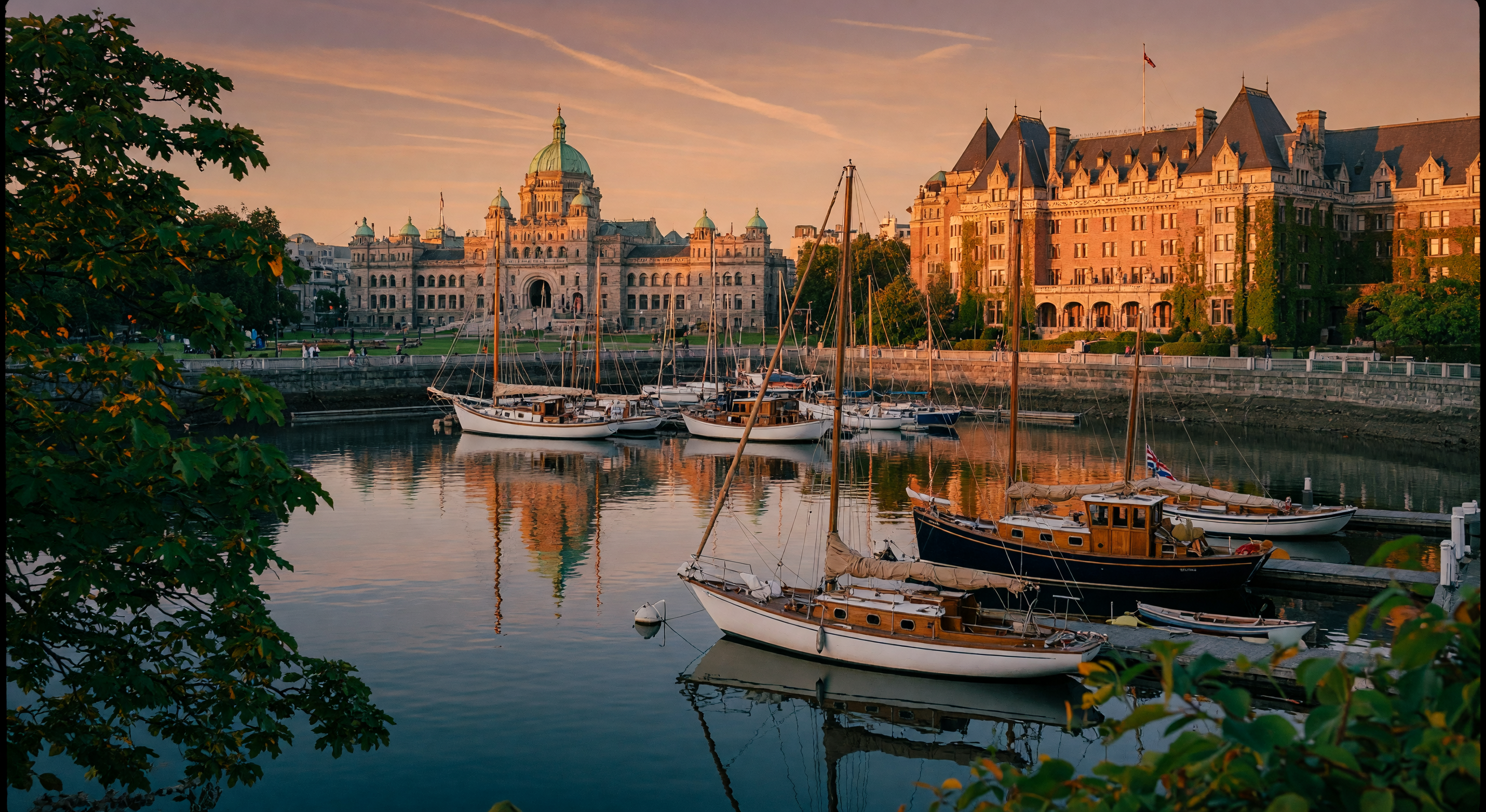
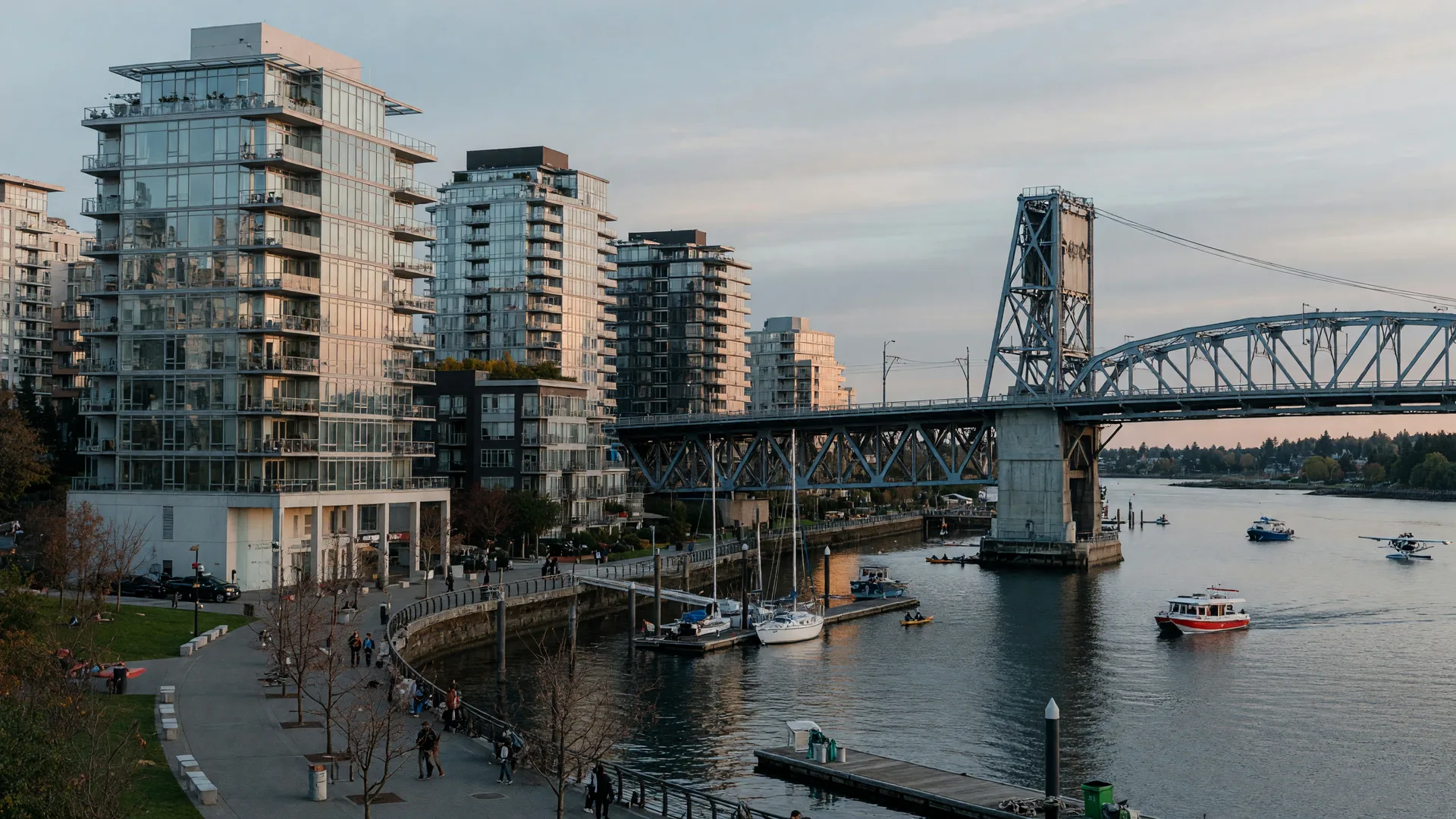
The trap is assuming a waterfront or heritage-looking building downtown must be one thing or the other. Some Victoria condos sit on leased land and some sit on fee simple land, and the waterfront neighbourhood near the Songhees shore in Vic West is not automatically leasehold just because it faces the Nation's traditional territory. You cannot tell from the street. The tenure is on the title and in the disclosure statement, and you ask for both.
How is leasehold priced and financed?
Because the land is not yours, leasehold properties typically sell at a discount to comparable freehold, commonly 15 to 30 percent lower in BC, which is exactly what draws buyers in. Understand what that discount is paying for: it is the risk that the lease ends, the ground rent changes, or the property is harder to sell. It is a way in at a lower price with a different set of risks, not freehold value at a sale price.
Financing is where people get real about it. Many lenders will not write a traditional insured mortgage on leasehold, down payment expectations trend higher, and lenders generally want the lease to outlast your amortization by a wide margin, often 25 years or more. Expect more lender questions, more paperwork, and a smaller pool of buyers when it comes time to sell, and that last one matters for your flexibility.
What should you actually check before you buy?
Four things, and all of them are documented, not vibes. The years remaining on the lease. Whether ground rent is prepaid or ongoing, and how it gets adjusted over time. What happens at expiry: renewal terms, purchase rights, and who owns what on the land. And whose land it actually is, plus which registry the title lives in, because reserve land follows a different process than municipal land. A real estate lawyer with leasehold experience is not optional here, and neither is a lender who has done this before.
Then check the market honestly. A leasehold can look like a bargain until you try to sell one in a slow market, because your buyers all have to clear the same financing hurdles you did. That is why the discount exists, and it is why I tell clients to only buy a leasehold when the lifestyle win is real, not just the price.
How does this tie into the rest of your buying plan?
Most of the homes we show clients are freehold, plain and simple, and most buyers will never touch a leasehold. But the region also runs on a lot of rules that feel like leasehold questions, from strata governance to rental restrictions, and the discipline is exactly the same: read the documents, ask the questions, and talk to professionals before you sign. The same mindset applies to the strata fees and rules on a condo purchase, and to the fine print on a pre-sale.
Understanding what a leasehold actually is also makes you a sharper buyer in general, because it is the purest version of the question that matters on every purchase: what do I actually own, and what do I only have permission to use? Answer that one well and most of your buying mistakes disappear.
The Bottom Line
Leasehold is a legitimate way into a home at a lower price, but you are buying a lease, not land, and the price gap, the financing constraints, and the expiry terms are all real. Around Victoria it appears mostly on First Nations reserve land and in specific buildings, never everywhere, and always building by building, so the answer to any new listing is check the documents.
If a listing says leasehold, or you are simply not sure what a title actually covers, ask us before you fall in love with the photos. We can walk you through what the documents mean and whether the numbers still work for you.

About the Author
Anna Hakim & Perry Fanthorpe, Happy Homes Team
Anna Hakim and Perry Fanthorpe are AI Certified Agents helping people build lives on Southern Vancouver Island. Perry builds financial roots through mortgage helpers and investment strategy. Anna builds emotional roots through community and belonging.