Owning a heritage home in Victoria is a lot like being a custodian with a mortgage. You get a house with character you cannot buy new, and in exchange you agree to look after it in a way the city has a say in. That trade is worth understanding before you fall in love with a wraparound veranda, because the paperwork and the maintenance are as much a part of the house as the fir floors.
What Actually Makes a Home "Heritage" in Victoria?
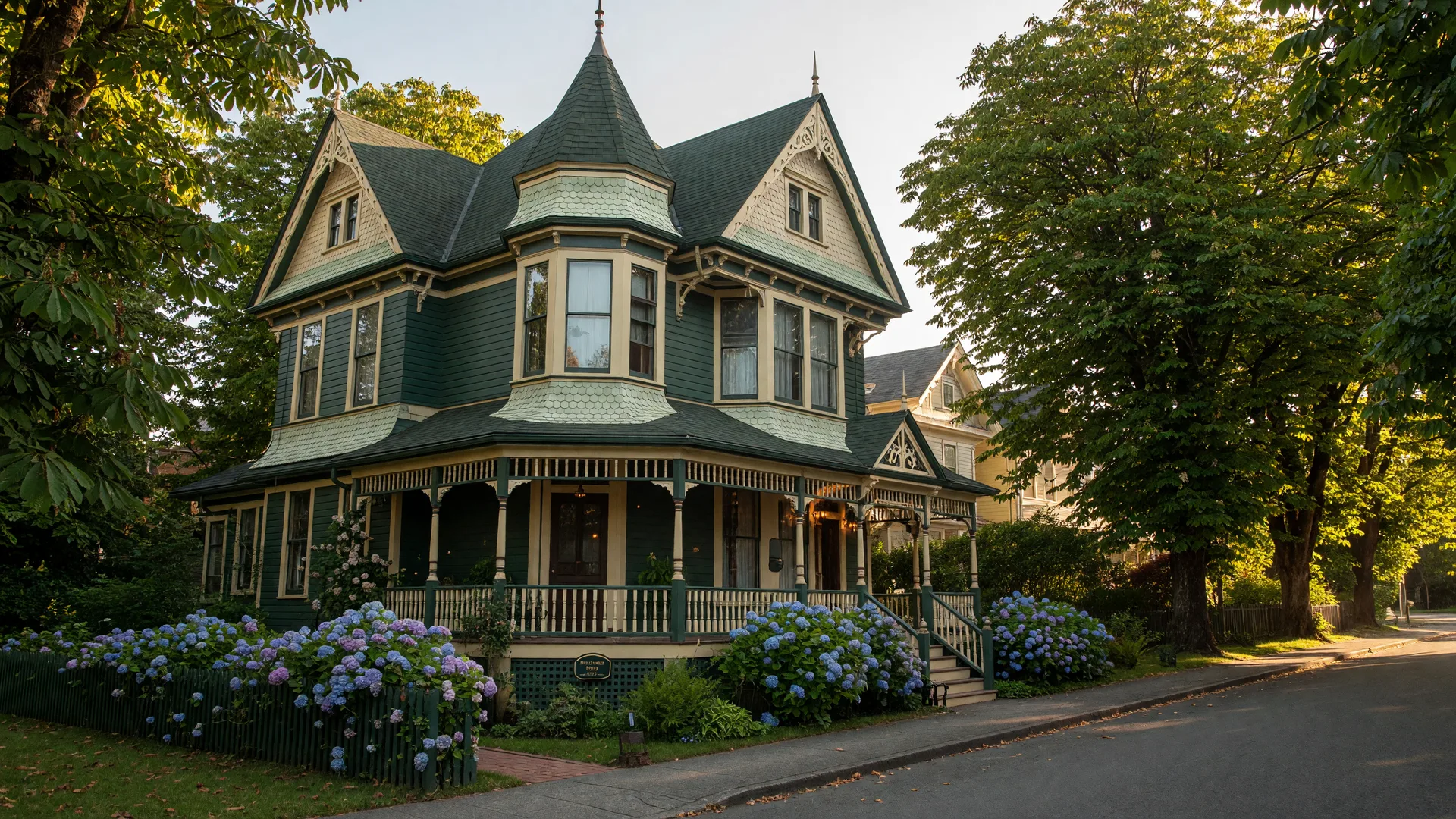
There's a difference between a character home and a heritage designated home, and it matters. Lots of Victoria houses are old and full of charm. A smaller number are formally protected: the City passes a Municipal Heritage Designation Bylaw for the property, and once that happens, the exterior can't be altered and the building can't be demolished without City Council approval. Some neighbourhoods are also designated as Heritage Conservation Areas, which brings the same style of review to new construction and significant changes.
Designation can happen before a sale, and buyers sometimes apply for it themselves to protect a home that matters to them. The key is to know which bucket the house you're looking at falls into, because the rules, the grants, and the resale pool all follow from that. Check the City of Victoria's heritage register and confirm the status with the city directly before you make decisions based on it.
How Do Heritage Alteration Permits Work?
Any work that touches protected features, which means exteriors, roofs, windows, chimneys, and masonry, needs a Heritage Alteration Permit before a building permit can be issued. The process starts with a pre-application meeting with a heritage planner, then a written application, staff review, and in many cases a final decision by Council. It is a separate application with its own fee, and it adds time to any renovation that involves the outside of the house.
Interior work is usually far more flexible. If you're redoing a kitchen or updating a bathroom inside a heritage home, you're typically dealing with the same building permits as anyone else. The friction point is almost always the envelope: windows, siding, porches, and anything visible from the street. Budget the extra time, and get a heritage planner's read on your project before you hire a contractor and commit to a schedule.
What Does It Cost to Maintain a Heritage Home?
The honest answer is more than a newer house, and the reason is the systems. Heritage homes in Victoria commonly carry knob-and-tube wiring, aging foundations, rising damp in basements, corroding cast iron drains, and sash windows that need real repair rather than replacement. Hazardous materials like asbestos and lead paint show up in walls that were renovated decades ago, and most older homes have little to no insulation and no seismic bracing.
None of this is a reason to run, but all of it is a reason to budget. A thorough pre-purchase inspection by someone who works on older homes, plus quotes from trades who actually do heritage work, will tell you more than any list I can write. Costs vary wildly by house, so get real numbers for the specific property before you fall in love with the price tag.
Are There Grants or Tax Breaks for Heritage Owners?
This is the part that balances out the maintenance. The Victoria Heritage Foundation, which the City established in 1983, runs a House Grants Program that gives annual grants to owners of heritage designated houses for restoration and repair work. One application per property per year, and the work has to be eligible, but it's real money for the kind of repairs heritage homes actually need.
The City of Victoria also runs a Heritage Tax Incentive Program that can provide a temporary property tax exemption of up to 10 years for substantial rehabilitation of designated buildings, though it leans toward major projects like seismic upgrading and conversion work rather than routine maintenance. Program details and budgets change, so confirm what's currently available with the Victoria Heritage Foundation and the City before you plan around them.
Which Neighbourhoods Have the Heritage Homes?
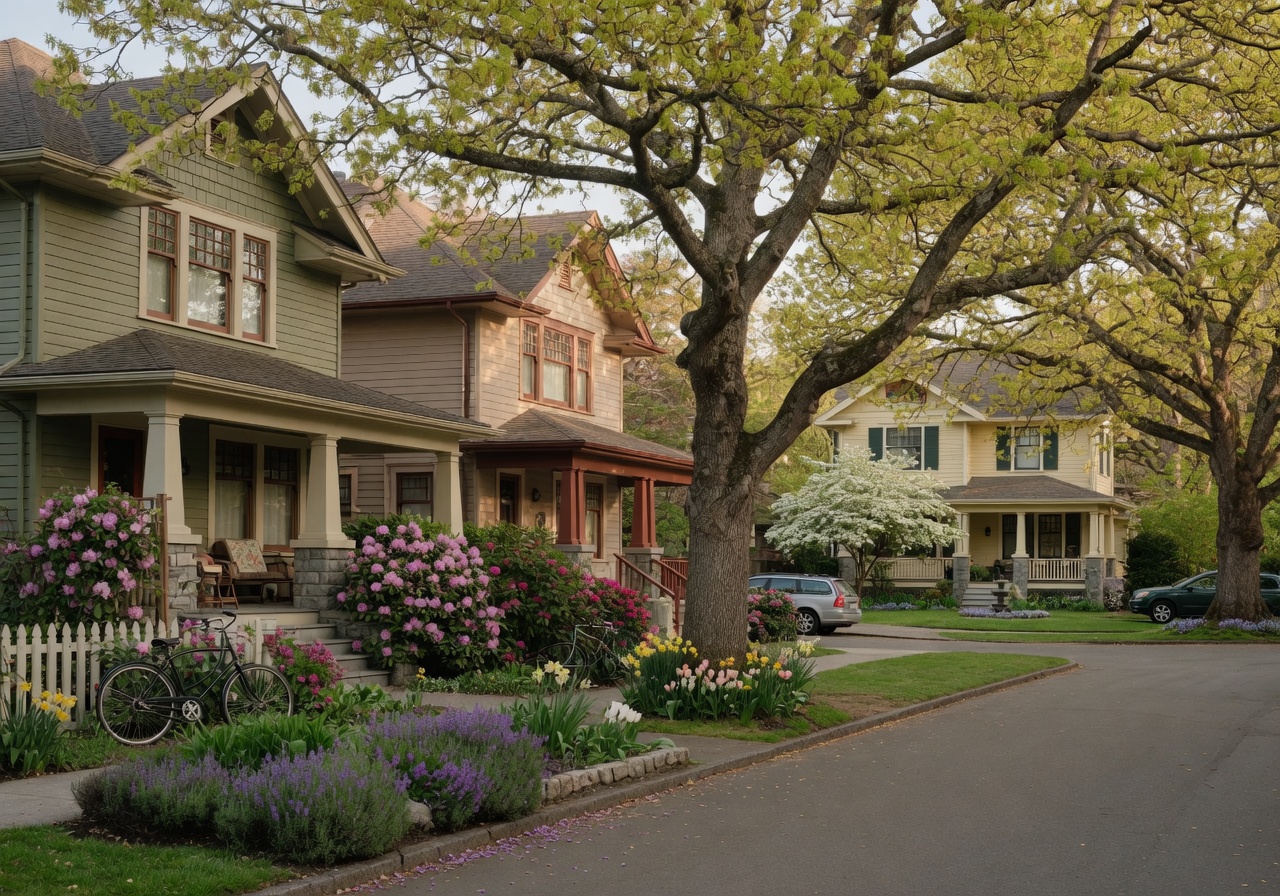
The best-known concentration is Rockland, where mansions like Craigdarroch Castle on Joan Crescent anchor a whole district of grand old houses. Fairfield is full of Queen Anne and Edwardian homes, and Ross Bay Villa on Fairfield Road is a restored 1865 house museum that shows what these homes looked like new. James Bay, Fernwood, and Vic West all have older pockets with strong character stock, and Oak Bay has its own share of pre-war homes.
For a sense of the range, spend an afternoon at Ross Bay Villa (open for guided tours on Thursday, Friday, and Saturday) and then walk the surrounding streets. You'll see heritage homes in every state, from fully restored to barely touched, and that range is exactly what a buyer should be looking at. Character is not a single product, it's a spectrum with a price tag at every point.
Is a Heritage Home a Good Investment?
The financial case is real but patient. Heritage stock is finite, it sits in Victoria's most desirable older neighbourhoods, and there is a steady pool of buyers who specifically want original character. But the market for them is smaller than the market for updated contemporary homes, and the renovation and maintenance costs don't behave like a modern house. You're not going to get rich flipping a designated heritage home, and anyone who tells you otherwise hasn't priced a window restoration.
Where heritage homes do shine is the longer hold, especially for owners who treat the house as both a home and a project. If you're the kind of person who enjoys the work and the grants, a designated home in Fairfield or Rockland can be deeply rewarding, financially and otherwise. If you want a turnkey house with predictable costs, heritage designation is probably not the right fit, and that's a fine thing to know before you buy.
The Bottom Line on Heritage Home Ownership
A heritage home is a commitment to a house and a neighbourhood, and the people who love them really love them. The designation protects what makes the house special, the grants soften the upkeep, and the trade is time, paperwork, and a budget that has to respect the age of the building. If that sounds like a good life, it probably is.
We've walked buyers through heritage purchases in Fairfield, Rockland, and James Bay, and the best first step is a conversation about which neighbourhood and which level of project fits your life. Browse our neighbourhood guides or get in touch, and we'll help you find the house that's worth looking after.

About the Author
Anna Hakim & Perry Fanthorpe, Happy Homes Team
Anna Hakim and Perry Fanthorpe are AI Certified Agents helping people build lives on Southern Vancouver Island. Perry builds financial roots through mortgage helpers and investment strategy. Anna builds emotional roots through community and belonging.