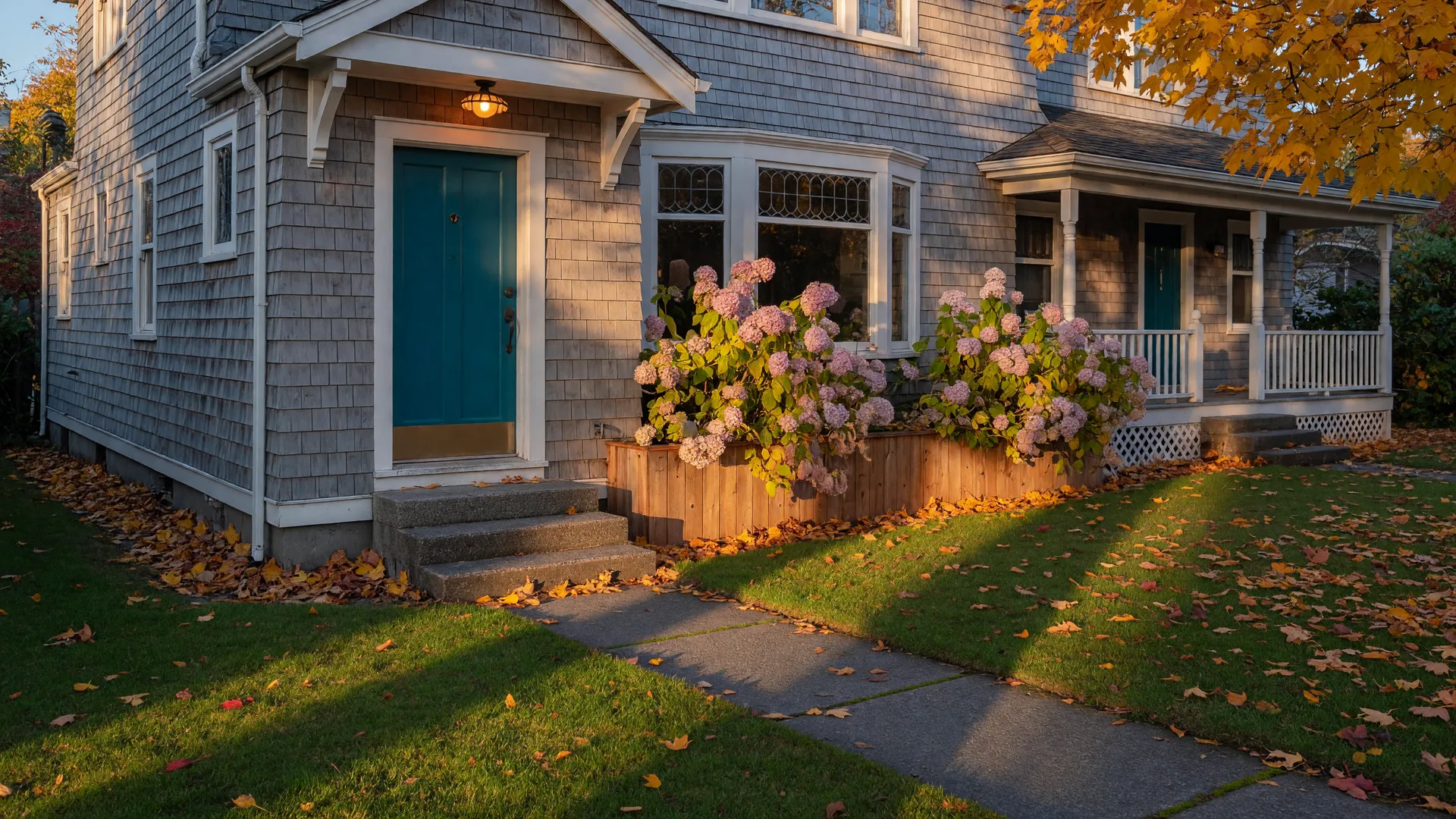
Yes, you do. In Victoria, Saanich, and Langford, adding a new secondary suite or legalizing an existing one requires a building permit, and the suite only becomes legal once the work is inspected and the municipality issues an occupancy permit. This is the most common thing homeowners skip, and it is also the thing that decides whether your suite counts as a mortgage helper or as a liability you have to disclose later.
Why does the permit matter so much?
A legal suite is one that has been through the municipal process: the right zoning, the approved building, plumbing, and electrical permits, the inspections, and the final occupancy permit that says it is safe to live in. An unpermitted suite might rent fine for years, but it does not exist on paper, and that catches up with you at the exact moments you need it to count.
Lenders only count rental income from a legal suite when you qualify for a mortgage. Insurers ask about suites at application time, and an unpermitted one can be excluded from coverage or trigger a claim denial. And when you sell, the buyer's lawyer and lender will ask whether the suite is legal, which is how perfectly good deals fall apart in week two of the subject period. We have walked clients through all three scenarios, and the permit is always cheaper than the cleanup.
What does the City of Victoria actually require?
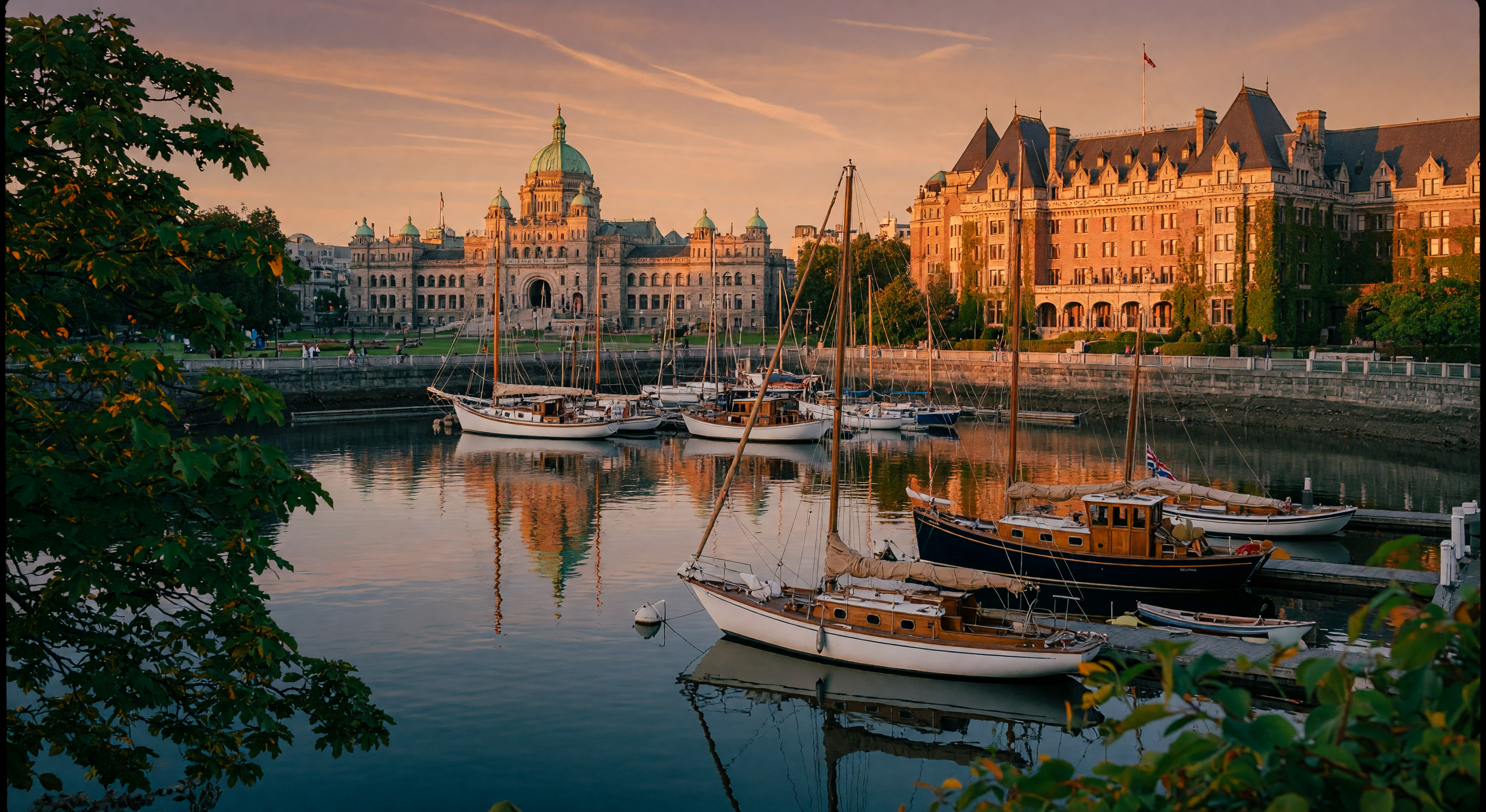
The City of Victoria is explicit: a suite is legal only when the required building, plumbing, and electrical permits have been approved, the work is completed and inspected, and the City issues a final occupancy permit. Their secondary suites page walks through the steps, starting with checking whether your property qualifies through the Zoning Regulation Bylaw or VicMap, then confirming with Development Services before you apply for the building permit through Permits and Inspections.
The building code side is where most DIY plans stall. The suite needs proper fire separation between the two units, minimum ceiling heights, a legal egress window or door, and working smoke and carbon monoxide alarms, and the inspector checks all of it before you get the occupancy permit. The exact requirements depend on your house, so treat any general list as a starting point, not a checklist.
What about Saanich?
Saanich takes a similar line. Secondary suites are a permitted accessory use across its RS, RD, and A zones, but the suite has to meet the zone conditions or Schedule G of the zoning bylaw, including maximum floor area, and there can be only one suite per primary dwelling. The suite also has to be wholly contained within the main house, not in a separate building, and Saanich's Building Inspections division issues the occupancy permit based on the BC Building Code. The District's secondary suites page is the place to start, and their staff will tell you straight whether your property qualifies.
One Saanich detail locals learn the hard way: if you want a separate structure, a garden suite or carriage house, that is a different application with its own rules, not an extension of the secondary suite process. We cover the difference in our carriage house guide.
What about Langford and the West Shore?
Langford requires the property to be zoned for a single-family dwelling with a secondary suite, to meet the minimum lot size, and to be connected to municipal sewer or have future connection secured through a covenant. Only one suite is allowed, the dwelling must be owner-occupied, and the suite cannot be strata-titled to form a duplex; Langford registers a covenant at Land Titles to keep it a single property. The city lists a "Foundation Only Secondary Suites" checklist on its building permits page, which tells you exactly what to submit with an application.
The owner-occupied rule is worth repeating, because it surprises people: in Langford, you generally have to live in the main house to rent out the suite. That shapes the mortgage-helper math, so check it before you buy a suited property there expecting to rent both units.
What did the province's Bill 44 change?
Province-wide, Bill 44 requires municipalities to permit at least one secondary suite and one detached accessory dwelling unit on most single-family lots, and local governments were given deadlines to update their zoning bylaws to match. The practical effect is that more properties are eligible for a suite than the old rules allowed, which is good news if you were told years ago that your lot "can't have a suite."
But eligibility is not the same as a permit. Bill 44 tells municipalities what they must allow in zoning; it does not waive the building permit, the inspections, or the occupancy permit. If someone tells you the province made suites permit-free, they are wrong.
What does the permit process actually cost?
Permit fees vary by municipality and by the size of the work, and they are only part of the bill. The bigger costs are usually the construction, the trades, and the soft costs like drawings and engineering. We break down typical ranges and the fees in Victoria, Saanich, and Langford in our secondary suite cost guide, and we keep it updated because the numbers move.
What we will say plainly here: the permit is not where you save money. Nobody has ever told us the permit fee was the reason their suite was not worth building. The unpermitted route saves a few thousand dollars up front and risks a lot more later.
What happens if you rent an unpermitted suite anyway?
People do it, and we are not here to lecture. But you should know what you are carrying: your home insurance may not cover a claim involving the suite, your mortgage renewal may not count the rental income, and if the municipality finds the suite, you can be ordered to legalize it or remove it, sometimes with fines attached. In a strata building the rules are even tighter, and the strata can demand the suite be undone.
The other quiet risk is the tenant side. A tenant who discovers the suite is not legal has real leverage, and disputes that start that way tend to end badly for the landlord. Legalizing first is the boring answer, and it is also the right one.
What should you do first?
Start with your municipality's own pages, the ones linked above, and check your property's zoning before you spend a dollar on drawings. Then book a call with your building department, because the staff answer eligibility questions for free and they would rather answer them before you build than after. The rules here change, so confirm everything with the municipality or a licensed professional before you commit, and do not rely on a blog post, including this one, for a permit decision.
If you are weighing whether a suite makes sense for your house, we do this math with homeowners every week: what the legal suite adds to the property, what it costs to build, and what it rents for. Book a call with us and we will walk through your specific property, permit process included.
Thinking About Adding a Suite to Your Victoria Home?
We help homeowners figure out whether a secondary suite actually works for their property, their budget, and their mortgage. Tell us about your house and we will point you at the right next step.

About the Author
Anna Hakim & Perry Fanthorpe, Happy Homes Team
Anna Hakim and Perry Fanthorpe are AI Certified Agents helping people build lives on Southern Vancouver Island. Perry brings construction and renovation insight to every walkthrough, and the team specializes in mortgage helper properties, secondary suites, and investment strategy across Greater Victoria.