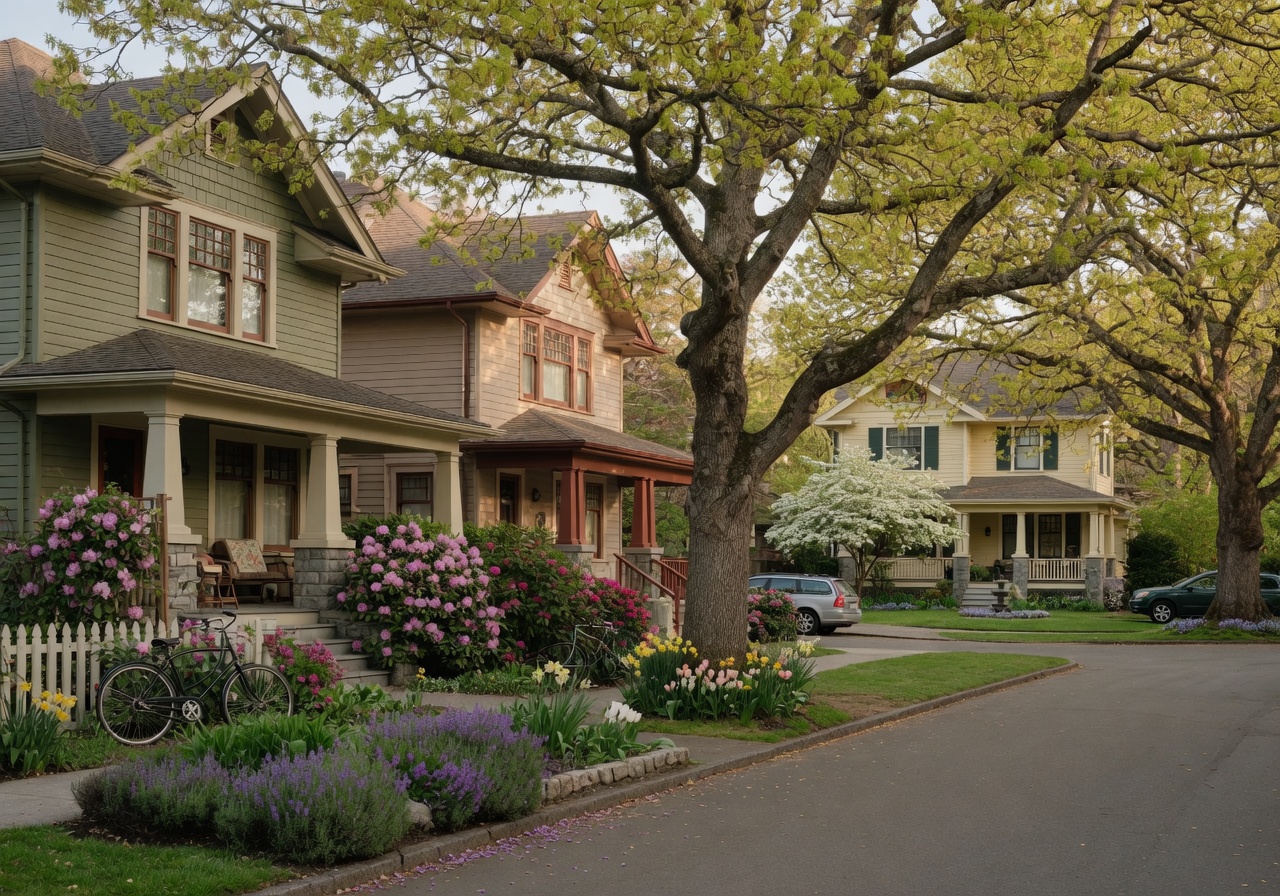
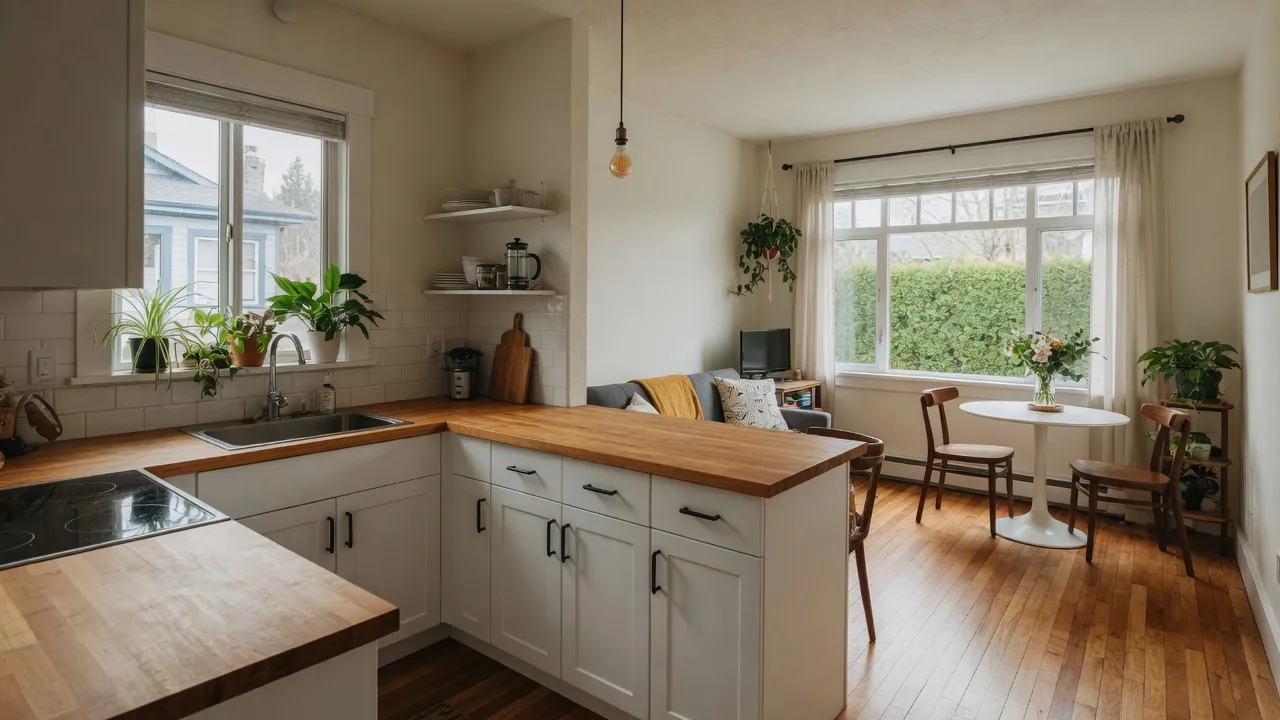
There is no legal cap on the starting rent for a secondary suite in BC, so you set the first rent at whatever the market in your area will bear. The rules that actually bite are the ones about raising rent during a tenancy, and the ones about the suite being legal in the first place. Market rents for one-bedroom suites across Greater Victoria vary a lot by neighbourhood, size, and condition, so the honest answer is: it depends, and here is how to figure out your number.
Is there a cap on what you can charge?
No. BC does not regulate the rent you set for a new tenancy, which includes a secondary suite. You can list a suite at whatever you think it will rent for, and the market decides. That is the part of the mortgage-helper math that feels like freedom, and it is also where owners most often overreach.
The practical way to price a suite is to look at what comparable legal suites are actually renting for in your area right now. Locals check UsedVictoria, Facebook Marketplace, and Kijiji, and they look at suites with the same bedroom count, parking, laundry, and yard access, not just the same square footage. A suite that prices itself 15 percent above the local range sits empty, and an empty suite earns nothing.
What are the rules for raising rent?
This is where the government steps in. Once a tenant moves in, you can raise the rent only once every 12 months, you have to give at least three full months' written notice on the official form, RTB-7, and the increase cannot exceed the annual limit set by the province. For 2026 that limit is 2.3 percent, and it is set fresh every year.
That means the rent you set on day one is effectively the rent for a long time. A tenant who stays four years at a 2.3 percent annual increase is still paying close to your original number, so pricing correctly at the start matters more than most first-time landlords realize. Confirm the current cap and the notice rules with the Residential Tenancy Branch before you serve any notice, because the details change.
Do the rules apply to new suites?
Yes, and this surprises a lot of owners. BC ended the exemption that let newly built rental units skip rent control, so a suite first rented after 2018 is subject to the same annual increase rules as every other rental in the province. There is no "new build" loophole for raising rent without limit on a fresh suite.
If you have heard otherwise, it is probably a leftover from the old rules. The current system is uniform: one increase per 12 months, proper notice, and the annual cap, whether the suite was built in 1990 or 2026.
Does the Residential Tenancy Act apply to a secondary suite?
For a self-contained secondary suite, yes. If the suite has its own kitchen and bathroom and the tenant does not share them with you, the Residential Tenancy Act covers the tenancy, with everything that comes with it: written agreements, security deposits through the official process, dispute resolution through the Residential Tenancy Branch, and the rent increase rules above.
The exception is a room rental where the tenant shares your kitchen or bathroom. Those arrangements fall outside the Act, which gives you more flexibility and fewer obligations, but they are not a secondary suite in the mortgage-helper sense, and lenders will not treat them the same way.
What makes a suite rentable in Victoria in the first place?
The City of Victoria is clear: a suite has to be legal to be rented as a secondary suite, meaning the permits were approved, the work was inspected, and the city issued the occupancy permit. Beyond that, the city's Rental Property Standards of Maintenance Bylaw applies to RTA-regulated rentals, so the suite has to meet basic health and safety standards, and the city can inspect and enforce them.
The legal requirement is the line most owners trip on. An unpermitted suite might rent fine for years, but it cannot be counted as mortgage-helper income when you qualify or renew a mortgage, it may not be covered by insurance, and a dispute with a tenant can end with the municipality involved. If the suite is not legal yet, our building permit guide walks through what each municipality requires.
How do you figure out the right rent for your suite?
Start with the comparables, then adjust for what your suite actually offers. Parking off the street, in-suite laundry, a separate entrance, and a yard all push a suite up the range; street parking, shared laundry, and a dated kitchen push it down. Locals also know that September is the strongest rental month in Victoria, with the college and university semesters starting, so listing in August and September usually gets the most interest and the best offers.
One piece of advice we give every owner: do not price at the very top of the range for your first tenant. A dependable, long-term tenant at a fair rent beats a churned unit at a premium rent, because every vacancy costs you a month of income plus turnover work. The goal is a tenant who stays, and pricing is how you get one.
How does the rent feed the mortgage-helper math?
This is where the rent number meets the real estate decision. Lenders will count a portion of the rental income from a legal suite toward your mortgage qualification, which is the whole point of a mortgage helper, and the rent you can realistically charge is what decides how much that helps. Overstate the rent and the numbers do not work at renewal; understate it and you leave money on the table every month.
We run this calculation with homeowners and buyers constantly: what the suite rents for, what it costs to build or finish, and what it does to the mortgage. The rules around rent, tenancy, and permits all change, so treat this as a starting point, verify the current numbers with the Residential Tenancy Branch and your municipality, and talk to someone who has done the math on real suites before you commit. Book a call with us and we will run the numbers for your property.
Want to Know What Your Suite Could Rent For?
We help homeowners and buyers run the mortgage-helper math on real properties: rents, costs, permits, and what it all means for your mortgage. Tell us about your house and we will show you the numbers.

About the Author
Anna Hakim & Perry Fanthorpe, Happy Homes Team
Anna Hakim and Perry Fanthorpe are AI Certified Agents helping people build lives on Southern Vancouver Island. The team specializes in mortgage helper properties, secondary suites, and investment strategy, and Perry brings construction insight to every rental-income calculation.