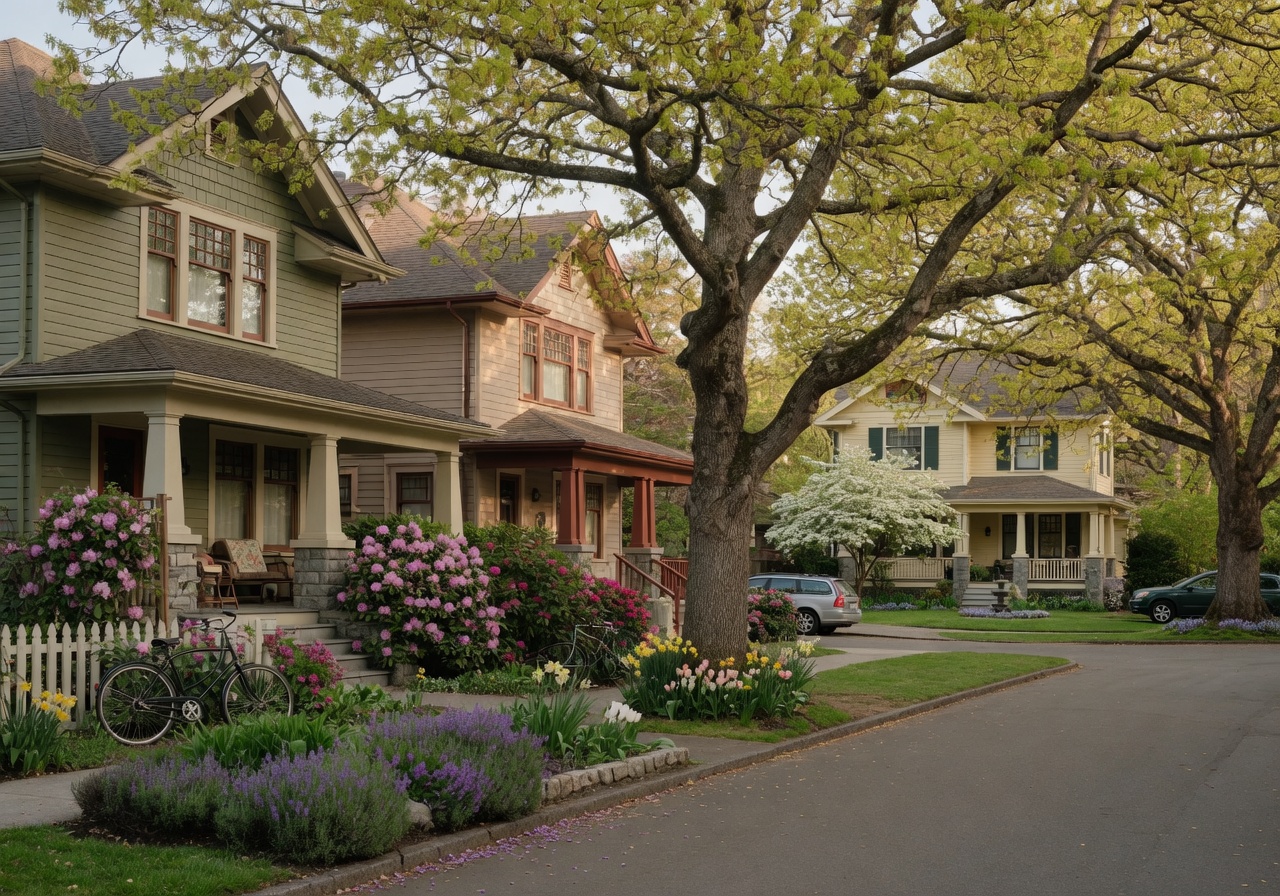
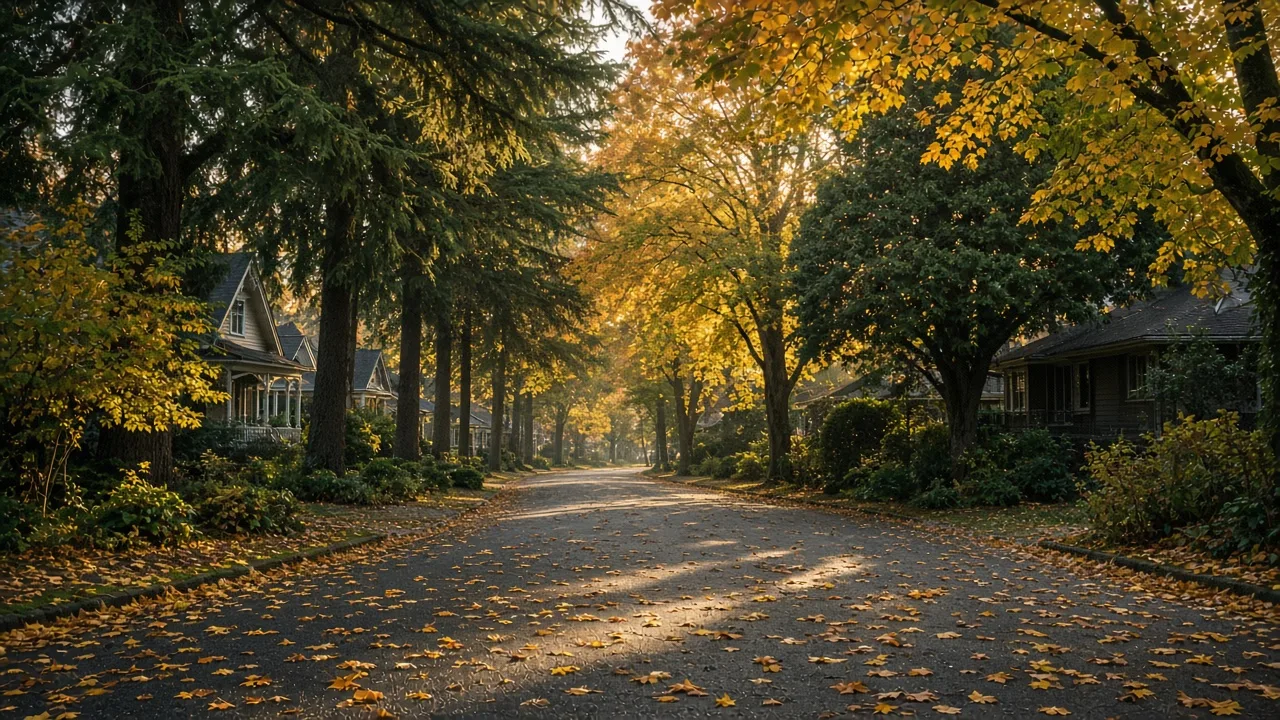
We hear it more and more from buyers: the thing they want most from a home is not another bedroom, it is quiet. Peace and quiet is a real, searchable quality of a property, shaped by the street, the lot, the house itself, and the neighbourhood around it. This guide walks through the factors that make some Greater Victoria homes genuinely calm, the areas where calm is easier to find, and how to check a property for quiet before you commit. We are Anna and Perry from the Happy Homes Team, and after years of showing homes across the region, we can tell you that a restful home is rarely an accident.
First, Take Quiet Seriously as a Searchable Quality
Quiet is not a vague feeling you discover after you move in. It is a set of concrete, inspectable conditions: how much traffic passes the front door, how far the house sits from the road, what is behind the fence, how the building itself transfers sound. Once you know what to look for, you can compare one property against another the same way you compare square footage or the number of bedrooms. Buyers who treat calm as a checklist item, not a lucky bonus, are the ones who end up sleeping well in their new home.
The honest starting point is that Greater Victoria is a small, busy region, and no address is perfectly silent all the time. Planes, ferries, sirens, lawn equipment, and the occasional party are part of island life. What you are really shopping for is a home where quiet is the default and the interruptions are the exception, and that is very achievable if you know which levers to pull.
The Factors That Decide How Calm a Home Really Is
When we walk a property with a buyer who wants quiet, we run through the same list every time. Each factor is small on its own, but they stack, and a home that wins on most of them feels completely different from one that loses on most of them.
- Traffic on the street. A quiet dead-end street with a handful of households is a different world from a through street that carries commuter shortcuts and bus routes. Count the cars during rush hour, and check whether the street feeds anything bigger than itself.
- Distance from busy corridors. Being a block or two off a main road takes the hum out of the air. Being directly on it, even in a lovely house, puts the traffic in your living room windows.
- Lot size and setbacks. Bigger lots and deeper front setbacks push the house away from the street and from your neighbours. That distance is sound insulation you never have to maintain.
- Mature trees and nearby green space. Trees absorb and scatter sound, and they bring birdsong, wind, and shade. A home backed by a park, a ravine, or a treed lot tends to feel far quieter than the street number suggests.
- Neighbourhood character. Some streets are built for coming and going; others are built for staying. The mix of long-term neighbours, the age of the housing, and whether the street has a reason to be busy all shape the daily soundscape.
- What is behind the home. The view out the back matters as much as the view out the front. A lane, a school field, a commercial loading area, or a busy parking lot behind the fence can undo an otherwise peaceful street.
- Sound transfer in attached dwellings. In a townhouse, duplex, or condo, the shared walls, floors, and ceilings are part of the deal. Construction type, insulation, and the age of the building all change how much of your neighbour's life you hear.
- Detached versus attached. A detached house on its own lot is the simplest way to buy quiet, because the only shared surfaces are the property lines. Attached homes can be wonderfully calm too, but they ask you to verify the details instead of assuming them.
The useful trick is to stop treating these as abstract concerns and start treating them as viewing questions. At every open house, stand still for two minutes with the window open and just listen. You will learn more about that home's quiet in two minutes than in two hours of reading floor plans.
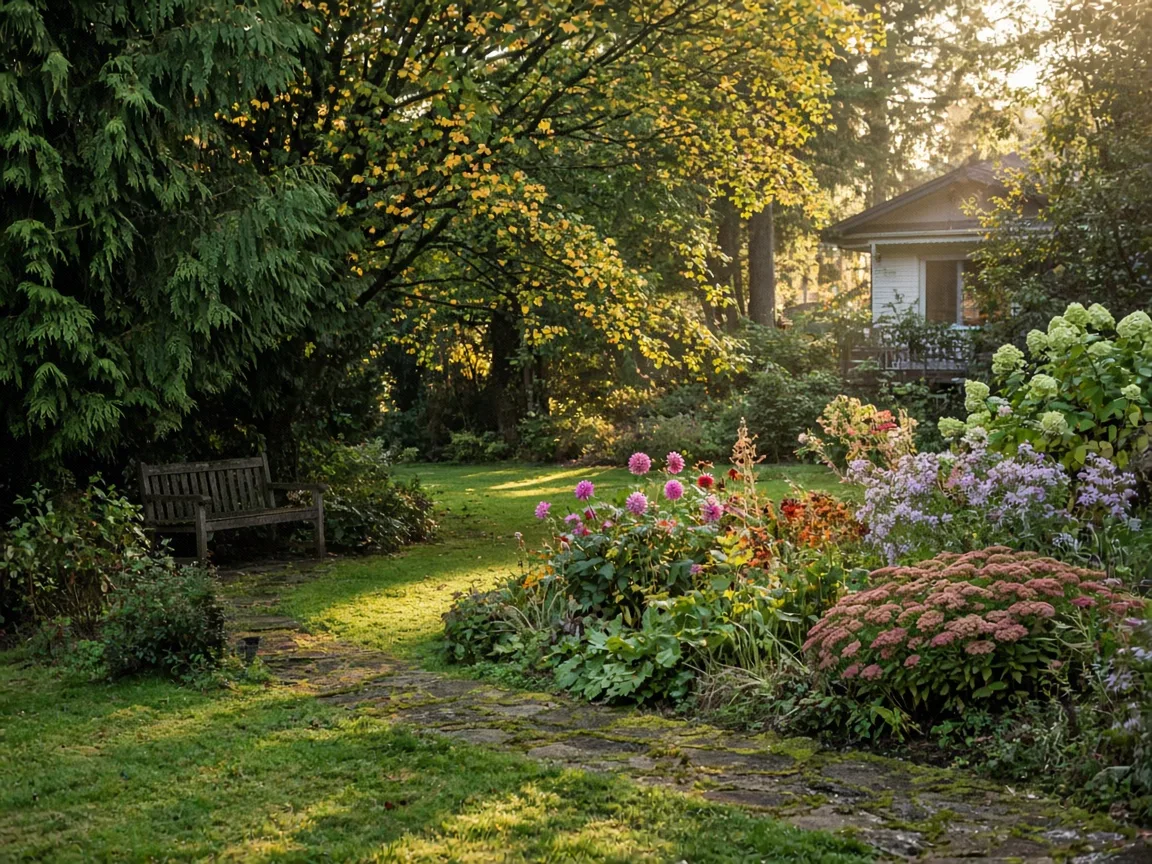
The backyard is often the quietest room in the house: mature trees, a deep lot, and no street in sight.
Where Calm Is Easier to Find in Greater Victoria
Some parts of the region simply start with more quiet in the bank. We have written detailed profiles of most of them, so rather than repeat the whole story here, here is the short version and where to read the long one.
Character Neighbourhoods with Deep Setbacks and Big Trees
The older, established neighbourhoods of Saanich and Oak Bay were laid out when cars were slower and lots were bigger, which happens to be exactly what quiet buyers want. Gordon Head mixes mid-century homes on generous lots with green space woven through the neighbourhood. Uplands is the classic choice for estate-scale lots and serious quiet. Broadmead and Ten Mile Point offer treed, low-traffic settings near the water, and Cedar Hill has calm pockets around its golf course and green spaces. Further up the island, Mill Bay is a genuinely different pace of life for buyers willing to trade commute for calm.
Rural and Acreage Settings
If you want quiet at scale, the rural fringes are where it lives. The Highlands is forest, acreage, and wildlife corridors minutes from the city. Metchosin is farmland and oceanfront where privacy is the whole point. And North Saanich offers acreage living close to the airport and the ferry, with a pace that feels a world away from downtown.
West Shore Pockets
The West Shore is not all busy corridors. Royal Bay in Colwood was planned around green space and ocean views, and Westhills in Langford has quieter interior streets set back from the main arteries. Newer neighbourhoods can be surprisingly calm once the construction finishes, because the streets are designed with fewer cut-throughs.
The Honest Note: Calm Varies Block by Block
Every neighbourhood we just named has quiet streets and busy ones, sometimes on the same block. A street that is peaceful at noon can be a commuter shortcut at 5 pm, and a school zone that is silent in July fills with pickup noise in September. The only reliable test is to visit the specific address at different times of day, on a weekday and a weekend, and listen with the windows open. Neighbourhood reputations are a starting point, never a guarantee.

Green space close to home does double duty: it buffers sound and gives you somewhere peaceful to go on the days you need a break from the house.
The Interior Side of Quiet: What to Check Inside the House
Once the street passes the test, the house itself has to hold up its end. A quiet lot with a noisy layout still keeps you up at night, so run through the interior with the same checklist energy.
- Separation between living and sleeping areas. Homes where the bedrooms sit on the opposite side of the house from the kitchen and living room give you a genuine quiet zone, even with people awake downstairs.
- Bedrooms away from the street. A primary bedroom at the back of the house sleeps far better than one facing the road, especially on a street that wakes up early.
- Insulation between floors and suites. In attached homes and homes with rental suites, the quality of the insulation between levels decides whether you hear footsteps, music, and conversation. Ask what is in the walls and floors, not just what is on them.
- Windows and natural light. Good windows do two jobs at once: they keep sound out and let light in. A bright, well-windowed room feels calmer than a dim one, and double glazing is worth checking on older homes.
- Outdoor space. A private yard or balcony gives you a place to be quiet without leaving home. It is the outdoor version of a quiet zone, and it matters more than most buyers expect.
- Renovation options for a quiet zone. If the house is right but the layout is not, some fixes are very doable: adding insulation to a shared wall, upgrading windows, moving the primary bedroom to the back, or finishing a basement into a quiet retreat. Know which of these are realistic before you rule a house out.

A quiet zone inside the house is a design choice as much as a location choice: separation, insulation, and light all pull their weight.
How We Help Buyers Find These Homes
Quiet is one of those requirements that is easy to state and hard to search for, because no listing field says "peaceful street at 7 am." That is exactly where a local team earns its keep. We know which blocks carry the morning traffic, which backyards back onto green space, and which houses have the layout that actually delivers the calm they promise. When you tell us quiet is a priority, we shape the whole search around it: the streets we show, the questions we ask at viewings, and the timing of our visits.
Start with our living in Victoria guide to get the lay of the land, then get in touch and tell us what your week actually sounds like. We will build the search around the quiet you are after, and we will be honest about which homes deliver it and which ones only look like they do.
Keep Reading: The Other Home Wishes

About the Author
Anna Hakim & Perry Fanthorpe, Happy Homes Team
Anna Hakim and Perry Fanthorpe are AI Certified Agents helping people build lives on Southern Vancouver Island. Anna reads what households need before they say it; Perry makes sure it actually happens. Together they help families navigate one of the biggest transitions of their lives with honesty, humour, and heart.