A mortgage helper is a legal rental suite attached to your home, usually a secondary suite, garden suite, or carriage suite, whose rent helps you qualify for a bigger mortgage and cover more of the monthly payment. In BC it is mostly a game about legality: most lenders will not count rent from an unpermitted suite, while a properly permitted one can move the needle a lot. Here is how the whole thing works, who it actually suits, and what we make sure buyers verify before they build their numbers on one.
Why Is Everyone in Victoria Talking About Mortgage Helpers Right Now?
The name comes straight from Canadian mortgage language. A "mortgage helper suite" is the industry shorthand for a self-contained rental unit inside, attached to, or in the yard of a single-family home, where the rent becomes part of the household income story. Lenders have always had some room to consider suite rent, but the federal mortgage rule changes that took effect in January 2025 gave them more, and that shifted how much buying power a suited home can unlock.
Victoria feels it more than most cities because our benchmark prices push so many buyers to the edges of what they can qualify for. A family that can afford a $750,000 home might stretch meaningfully higher with reliable suite income counted, especially on the West Shore where Langford and Colwood built a lot of stock with legal suites from day one. That is why you hear realtors and mortgage brokers throw the term around constantly now, and why it pays to actually understand it.
What Counts as a Mortgage Helper in BC, and What Does Not?
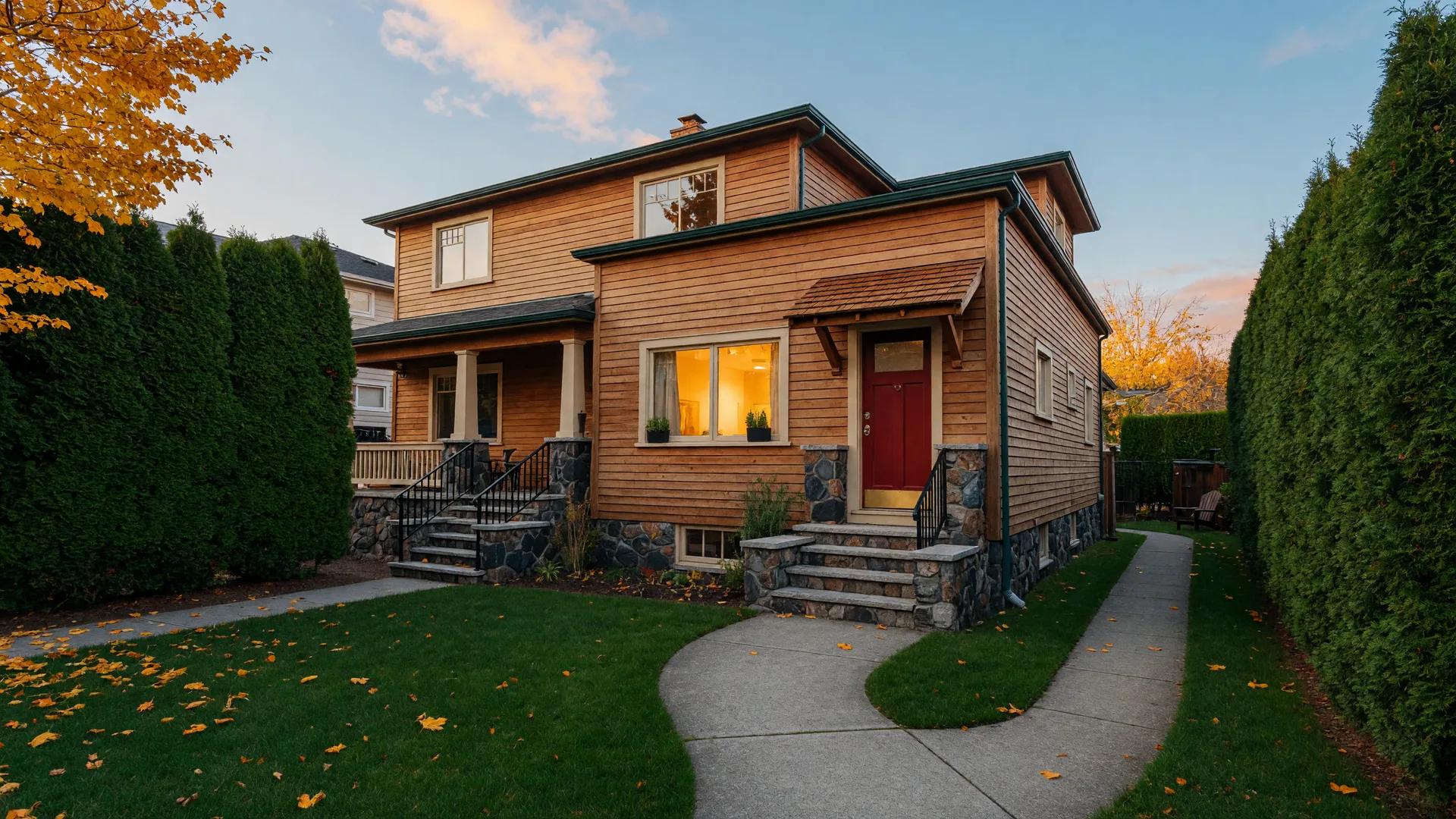
In practice, three forms show up over and over. A secondary suite is a self-contained unit inside your principal residence, typically a basement walk-out in Victoria's older stock. A garden suite is a small detached dwelling in your backyard. A carriage suite is a detached unit built above a garage. All three can act as mortgage helpers if they are legal, permitted, and truly self-contained with their own entrance, kitchen, and bathroom.
What does not count is an unpermitted suite, which most lenders will not touch, and which carries real risk when you go to sell. We break down the differences between the three suite types in this comparison guide, and the municipalities breakdown shows how suite rules differ between Victoria, Saanich, Langford, and the rest of the region, because that part genuinely changes your options from one street to the next.
How Much of the Rent Can You Actually Count Toward a Mortgage?
The honest answer is that it depends on the lender, the loan program, and how clean your suite file is. In today's market, lenders generally count a meaningful share of the rent, with the typical starting point around half and the best cases reaching close to the full amount, especially now that the newer federal rules encourage it. A written lease, two years of rental history where it exists, and a properly permitted suite all push the number up.
None of that is one-size-fits-all, and the exact percentage changes with policy and with your personal financial picture. We wrote a fuller breakdown of how lenders count suite rental income, but the short version for buying: get the suite question on the table with your mortgage broker before you start touring, not after you fall in love with a house.
Who Is a Mortgage Helper Actually For?
First-time buyers stretching into the market, especially on the West Shore, are the biggest group. A legal suite can turn a home that squeaks into your budget into one that fits comfortably, because the rent becomes income the lender considers and cash flow that covers a good chunk of the payment. We see it constantly in Langford, where suited townhomes and houses are part of the standard new-build offering.
But it is not only first-timers. Families who want a grandparent or nanny suite, downsizers who want a caregiver on site or a little income in retirement, and out-of-province buyers who are used to the mortgage-helper concept from Alberta and Ontario all use the same playbook. When we sit down with clients, the mortgage helper conversation usually starts with lifestyle first and math second, because a tenant changes how your home feels, not just how it pencils out.
Should You Buy a Home With a Suite or Add One Later?
Buying a home with a legal suite already in place is the fast path: the rent can be counted sooner, the inspection is done, and someone else absorbed the construction cost. The catch is that you inherit the seller's suite, so it pays to verify permits, the city's occupancy approval, and the actual rentable condition before you commit. Our guide to buying a home with an existing suite walks through exactly what to check.
Adding a suite after purchase is slower but gives you total control: you design the layout, choose the contractor, and build to your own standard. The trade-off is timing and money, since permits, construction, and inspections can stretch many months. We cover the real cost of building a suite and the permit process separately, because both are where people underestimate the work involved.
What Should You Verify Before You Build Your Budget on a Suite?
Four things, in order. First, the legal status of the suite in that municipality, confirmed in writing, not by what the seller says. Second, the actual rent comparable in that neighbourhood, because an overpriced rent assumption makes the whole plan wobble. Third, your mortgage broker's confirmation of what share of that rent this lender will count, right now, for your file. Fourth, the property tax, insurance, and maintenance reality, because a suite is an asset and a small business at the same time.
Rules change, lenders differ, and every municipality has its own quirks, so treat anything you read, including this post, as a starting point rather than a guarantee. Confirm the details with a mortgage broker, a lawyer, and the city before you sign anything, and you will avoid the two classic mistakes: overcounting rent that never materializes, and buying an "unpermitted" suite that cannot actually be rented out.
The Bottom Line
A mortgage helper is one of the few tools that can genuinely change what you can afford in Greater Victoria, without a bigger down payment or a lottery win. It works best when the suite is legal, the numbers are realistic, and you have a team who has done the mortgage-helper math before. That is exactly the kind of conversation we have every week.
If you are wondering whether a suited home fits your budget, contact the Happy Homes Team or book a call with us. We will walk through your numbers, point you to the right neighbourhoods, and bring in a mortgage broker we trust before you start touring.

About the Author
Anna Hakim & Perry Fanthorpe, Happy Homes Team
Anna Hakim and Perry Fanthorpe are AI Certified Agents helping people build lives on Southern Vancouver Island. Perry builds financial roots through mortgage helpers and investment strategy. Anna builds emotional roots through community and belonging.